Eurozone investor confidence has improved for the fourth consecutive month, and the stabilization of the German economy has strengthened expectations for a euro recovery.
2026-08-10 16:48:55
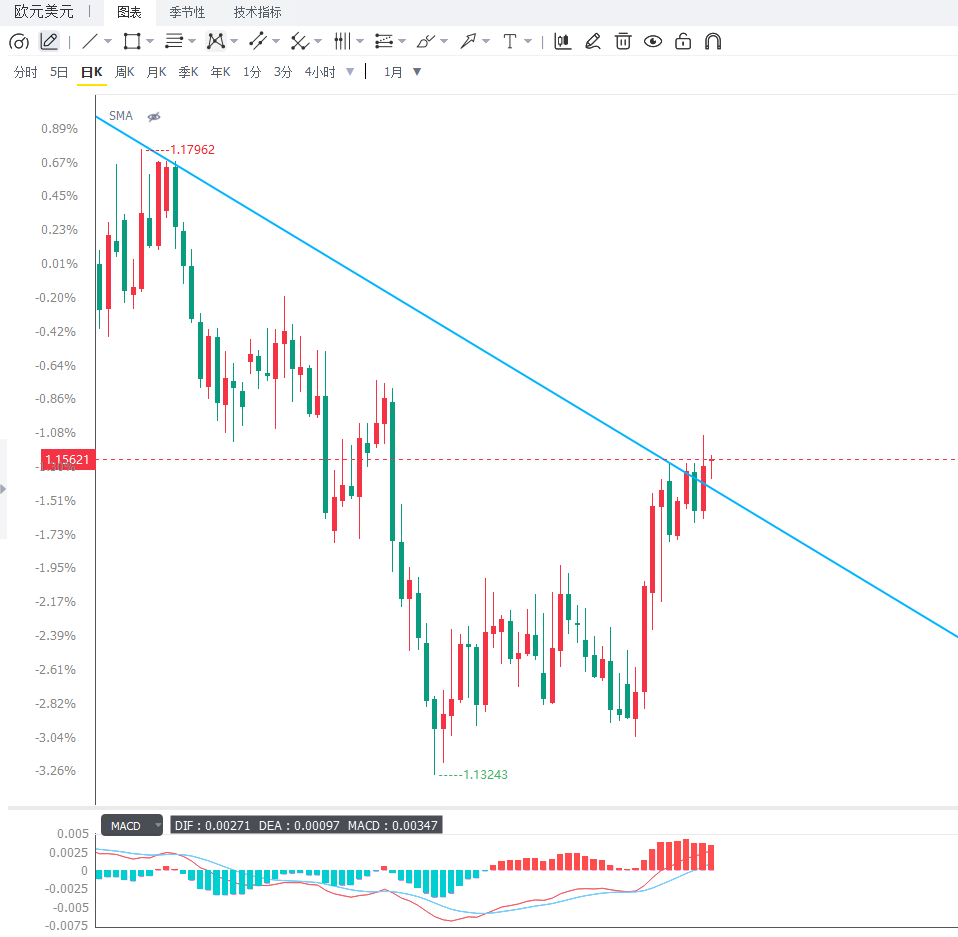
Eurozone economic confidence is gradually recovering. Latest data shows that the Eurozone investor confidence index returned to positive territory in August, marking its fourth consecutive month of increase, indicating a significant easing of market pessimism regarding the European economic outlook. This improvement in investor confidence stems primarily from a substantial rebound in assessments of the current economic situation, while future expectations indicators have also shown further improvement. The market believes that with the gradual recovery of economic activity and stronger performance in some key economic data, the Eurozone economy is emerging from its previous slump.  The market confidence shock previously triggered by the conflict involving Iran is gradually being digested. Although geopolitical risks have not completely subsided, investor concerns about energy supply disruptions have eased, and sentiment towards risk assets has recovered to some extent. However, cost pressures from rising energy prices remain, and high energy costs may still affect corporate profits and limit the speed of recovery in consumption and investment. The performance of the German economy has become an important support for improved confidence in the Eurozone. As Europe's largest economy, Germany's recent economic data shows signs of stabilization. Data shows that Germany's economy grew by 0.2% in the second quarter, avoiding the risk of a consecutive recession, and market expectations for a renewed recovery in German economic growth have strengthened. While German manufacturing and exports still face challenges, signs of improvement in economic activity are increasing. With business confidence gradually recovering, the market believes that the German economy may have passed its most difficult phase. However, low order levels and insufficient external demand remain significant pressures on future economic growth. In the Euro market, improved economic confidence helps boost investor preference for Euro assets. If subsequent data shows a continued recovery in the Eurozone economy, the market may reassess the ECB's policy path, providing support for the Euro. However, at the same time, changes in energy prices and global risk events may still affect the Euro's trajectory. Currently, market focus includes changes in Eurozone inflation, policy signals from the European Central Bank (ECB), and the strength of Germany's economic recovery. If energy prices remain high, inflationary pressures may limit the ECB's room for further easing; however, if economic growth continues to improve, the euro may receive more support. From a technical perspective, the euro/dollar pair has maintained its recent upward trend, consolidating around 1.1560. On the daily chart, the pair remains in an upward structure, with short-term resistance at the 1.1600 area. A decisive break above this level could lead to further testing of the 1.1650-1.1700 area. Support levels to watch are 1.1500 and 1.1450; a break below 1.1450 could weaken the current rebound. On the 4-hour chart, the euro/dollar pair has entered a short-term consolidation phase, with signs of slowing momentum after the previous rise. Technical indicators suggest that the bulls still maintain some advantage, but new fundamental factors are needed to drive a breakout. If the price holds above 1.1550, it may retest the 1.1600 resistance level; if it falls below 1.1500, it may retrace to around 1.1450 to find support. Short-term price movements will be heavily influenced by Eurozone economic data, the performance of the US dollar index, and changes in global risk sentiment.
  Editor's Summary: Investor confidence in the Eurozone has continued to improve, indicating strengthening market expectations for a European economic recovery, with the stabilization of the German economy being a key driving factor. Second-quarter economic growth helped Germany avoid another recession and also boosted market confidence in the overall recovery prospects of the Eurozone. However, high energy costs, insufficient business orders, and external risks may still limit the pace of economic recovery. In the short term, the euro's trajectory will depend on whether the improvement in economic data can be sustained and whether the European Central Bank releases new policy signals. If the economic recovery is further confirmed, the euro still has upward potential; however, if energy prices push up inflationary pressures again, the market may reassess the policy path, increasing the euro's volatility risk.
The market confidence shock previously triggered by the conflict involving Iran is gradually being digested. Although geopolitical risks have not completely subsided, investor concerns about energy supply disruptions have eased, and sentiment towards risk assets has recovered to some extent. However, cost pressures from rising energy prices remain, and high energy costs may still affect corporate profits and limit the speed of recovery in consumption and investment. The performance of the German economy has become an important support for improved confidence in the Eurozone. As Europe's largest economy, Germany's recent economic data shows signs of stabilization. Data shows that Germany's economy grew by 0.2% in the second quarter, avoiding the risk of a consecutive recession, and market expectations for a renewed recovery in German economic growth have strengthened. While German manufacturing and exports still face challenges, signs of improvement in economic activity are increasing. With business confidence gradually recovering, the market believes that the German economy may have passed its most difficult phase. However, low order levels and insufficient external demand remain significant pressures on future economic growth. In the Euro market, improved economic confidence helps boost investor preference for Euro assets. If subsequent data shows a continued recovery in the Eurozone economy, the market may reassess the ECB's policy path, providing support for the Euro. However, at the same time, changes in energy prices and global risk events may still affect the Euro's trajectory. Currently, market focus includes changes in Eurozone inflation, policy signals from the European Central Bank (ECB), and the strength of Germany's economic recovery. If energy prices remain high, inflationary pressures may limit the ECB's room for further easing; however, if economic growth continues to improve, the euro may receive more support. From a technical perspective, the euro/dollar pair has maintained its recent upward trend, consolidating around 1.1560. On the daily chart, the pair remains in an upward structure, with short-term resistance at the 1.1600 area. A decisive break above this level could lead to further testing of the 1.1650-1.1700 area. Support levels to watch are 1.1500 and 1.1450; a break below 1.1450 could weaken the current rebound. On the 4-hour chart, the euro/dollar pair has entered a short-term consolidation phase, with signs of slowing momentum after the previous rise. Technical indicators suggest that the bulls still maintain some advantage, but new fundamental factors are needed to drive a breakout. If the price holds above 1.1550, it may retest the 1.1600 resistance level; if it falls below 1.1500, it may retrace to around 1.1450 to find support. Short-term price movements will be heavily influenced by Eurozone economic data, the performance of the US dollar index, and changes in global risk sentiment. Editor's Summary: Investor confidence in the Eurozone has continued to improve, indicating strengthening market expectations for a European economic recovery, with the stabilization of the German economy being a key driving factor. Second-quarter economic growth helped Germany avoid another recession and also boosted market confidence in the overall recovery prospects of the Eurozone. However, high energy costs, insufficient business orders, and external risks may still limit the pace of economic recovery. In the short term, the euro's trajectory will depend on whether the improvement in economic data can be sustained and whether the European Central Bank releases new policy signals. If the economic recovery is further confirmed, the euro still has upward potential; however, if energy prices push up inflationary pressures again, the market may reassess the policy path, increasing the euro's volatility risk.
- Risk Warning and Disclaimer
- The market involves risk, and trading may not be suitable for all investors. This article is for reference only and does not constitute personal investment advice, nor does it take into account certain users’ specific investment objectives, financial situation, or other needs. Any investment decisions made based on this information are at your own risk.