Bessant launched its "Economic Landing Day" against Iran, expanding secondary sanctions in an attempt to sever its economic lifeline.
2026-08-25 09:36:59
The U.S. Treasury Department announced on Monday (August 24) an expansion of secondary sanctions against Iran, which Treasury Secretary Bessenter called Operation Economic Landing Day, aimed at cutting off all external links supporting the Iranian economy. This move comes as the U.S.-Iran conflict continues for nearly six months, regional shipping is disrupted, and energy markets are volatile, as Washington attempts to increase pressure through economic means while not ruling out military options. 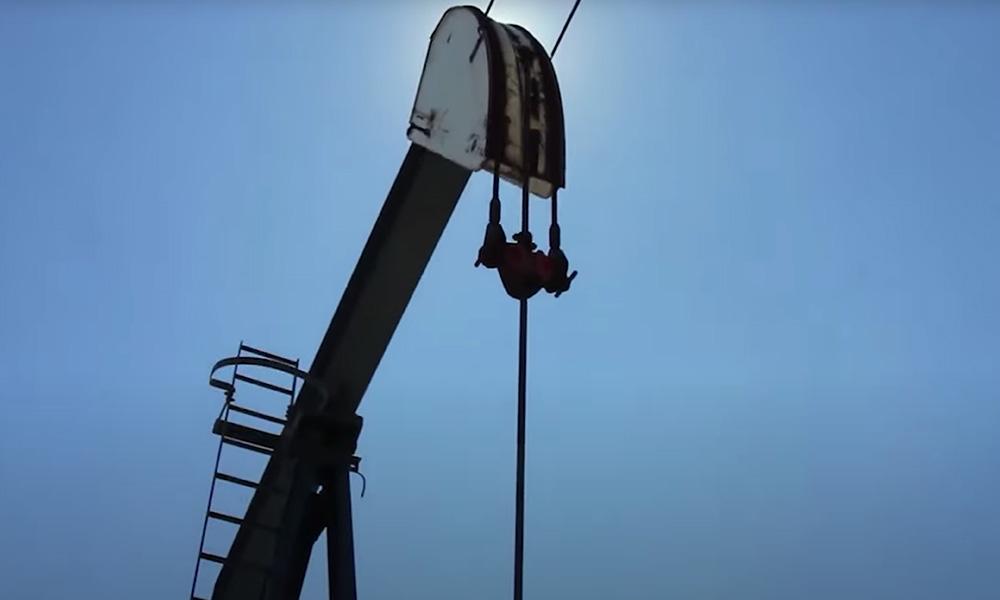
Sanctions details and target areas
At a press conference, Bessant stated that the United States has launched Operation Economic Landing Day, issuing a final warning to relevant countries: sever commercial ties with Iran, or key businesses and entities may be excluded from the dollar-based financial system. "We are launching an economic offensive against Iran's global financial connections. Our goal is to cut off every economic lifeline supporting this regime until it is isolated," he emphasized. The Treasury Department pointed out that Iran is using five sectors—digital assets, technology, gold, aviation, and shipping—to maintain its economy, and these sectors have been included in the warning scope for potential sanctions. Simultaneously, the United States has imposed sanctions on nearly 60 entities, individuals, and vessels, focusing on oil smuggling, networks evading sanctions, intermediaries, and financial channels. Bessant revealed that the Treasury Department has fully investigated these networks and will work with partners to combat any sources of "illicit income." He declined to specify which countries were targeted or when the punitive measures would take effect, but stated that a period of rectification would be given to avoid a severe shock to the global financial system. Previously, US President Trump had threatened to impose tariffs on goods imported into the US from countries doing business with Iran, but the relevant legal basis has been affected by a Supreme Court ruling.Conflict Background and Regional Shipping Risks
The conflict between the US and Iran escalated after the US and Israel launched airstrikes against Iran in February. Iran subsequently attacked ships in the Gulf region and launched attacks in the Red Sea through its allies. For nearly six months, regional shipping has been disrupted, oil supplies have decreased, and the global economy has been impacted. Oil prices retreated slightly on August 24 after rising for two consecutive weeks, as investors took profits ahead of the anticipated US statement and market expectations for further escalation of the military conflict cooled. On Tuesday (August 25), international oil prices fluctuated narrowly, with West Texas Intermediate (WTI) crude trading around $85.15 per barrel and Brent crude around $92.15 per barrel, as the market remained cautious about the supply outlook. Meanwhile, the Iranian-backed Houthi rebels in Yemen claimed responsibility on Monday for attacking a ship near the Saudi port city of Yanbu in the Red Sea. Saudi Aramco subsequently confirmed that its vessel, the "Amzan," had experienced a maritime incident earlier that day, with all crew members safe and no injuries reported. The UK's Maritime Trade Operations Office stated that an oil tanker was hit by an unidentified projectile approximately 63 nautical miles west of Yanbu, causing a fire on its main deck, but no environmental pollution was reported. Yanbu is Saudi Arabia's main oil export port on the Red Sea coast and has become an important alternative route after being blocked in the Strait of Hormuz. The Houthi rebels announced a blockade of the Red Sea last month against ships with ties to Saudi Arabia and have launched several attacks on related shipping and facilities in recent weeks. Iran ignored US threats and reiterated its warning to the shipping industry against unauthorized passage through the Strait of Hormuz, listing 45 vessels it claims are in violation and threatening retaliation against ship-to-ship transshipment.Military statements and diplomatic trends
U.S. Defense Secretary Hergace said on Monday that despite Washington's recent "economic offensive" against Iran, the government has not ruled out the possibility of using force. "We would never rule out the possibility of a military strike in the Strait of Hormuz or anywhere around Iran," he added, noting that Iran cannot withstand the current economic pressure. On the diplomatic front, Pakistani Army Chief of Staff Asim Munir arrived in Iran on Monday for talks. Pakistan stated that the visit aimed to promote regional peace and stability. Sources revealed that Munir will meet with individuals close to Iran's Supreme Leader. Trump spoke with Munir last week; the White House confirmed the call but did not comment on its content. Reports suggest that the U.S. primarily hopes to bring Iran back to negotiations. Neither the U.S. nor Iran has launched airstrikes against each other's forces for weeks, but attacks on ships in the Strait of Hormuz continue. The last official direct talks were in June.Editor's Summary
The US expansion of secondary sanctions, focusing on five key areas and targeting nearly 60 entities, demonstrates its prioritization of economic pressure on Iran while retaining military options. Regional shipping security remains under pressure due to Houthi attacks and tensions in the Strait of Hormuz, and oil prices, despite a pullback from their highs, still reflect supply risks. A visit by high-ranking Pakistani military officials provided a window for diplomatic mediation, but the opposing positions and lack of trust between the US and Iran suggest that a substantial breakthrough in the conflict is unlikely in the short term. The global energy market and shipping industry need to closely monitor the pace of sanctions implementation and potential military escalation signals; policy uncertainty remains a major variable.Frequently Asked Questions
Q: What is Operation "Economic Landing Day"? How does it differ from previous sanctions? A: This is a comprehensive economic pressure plan against Iran announced by US Treasury Secretary Bessenter, officially named "Operation Economic Exile." Its core is to expand the scope of secondary sanctions, focusing on five areas: digital assets, technology, gold, aviation, and shipping. Nearly 60 entities, individuals, and ships have already been sanctioned. Unlike previous sanctions, it emphasizes that after a period of rectification for relevant countries, access to the dollar system may be cut off. The goal is to systematically cut off all external economic support for Iran, rather than simply targeting specific transactions. Q: How will secondary sanctions specifically affect other countries? A: Secondary sanctions target foreign companies and entities that maintain business ties with Iran. Once triggered, they may exclude them from the dollar-dominated international financial system, affecting trade settlement, financing, and payments. The US has warned relevant countries to sever ties or face risks, but is currently providing a window of time to avoid an immediate shock to global finance. Trump's previously threatened tariffs have been temporarily suspended due to legal obstacles; their actual implementation still depends on the enforcement力度. Q: Why did oil prices fall before the announcement? How much impact will the conflict have on the energy market? A: Oil prices fell on August 24 after rising for two consecutive weeks, mainly due to profit-taking by investors ahead of the US statement. WTI was around $85/barrel and Brent around $92/barrel. The conflict has blocked the Strait of Hormuz, increased shipping risks in the Red Sea, and led Saudi Arabia and other countries to divert exports to ports such as Yanbu, reducing supply and pushing up prices. If sanctions further restrict the flow of Iranian oil, or if the attacks continue, prices may fluctuate again, affecting global inflation and shipping costs. Q: What is the connection between the Houthi attacks and Iran? What does this mean for Saudi oil exports? A: The Houthis are an Iranian-backed armed group in Yemen, and their attacks are seen as a means of indirect pressure from Iran. Monday's attack on a Saudi oil tanker near Yanbu caused a fire on the deck but no casualties. Yanbu is Saudi Arabia's main Red Sea oil export port and has become a key alternative route after the Strait of Hormuz blockade. The attack disrupted the diversion route, increased insurance and freight costs, and may further limit the efficiency of Saudi exports. Q: What is the background of the Pakistani military's visit to Iran? Can it promote negotiations? A: Pakistani Army Chief of Staff Munir visited on Monday to promote regional peace. Trump spoke with him last week, and there are reports that he hopes Munir will push Iran back into negotiations. Pakistan has previously mediated, but a trust deficit exists between the two sides. The last formal direct talks between the US and Iran were in June. Airstrikes have been suspended for several weeks, but ship attacks continue. The visit may ease tensions, but a substantial breakthrough depends on whether both sides compromise on their core interests; the stalemate is unlikely to be broken in the short term. As of 09:32 Beijing time, US crude oil is trading at $85.19 per barrel.- Risk Warning and Disclaimer
- The market involves risk, and trading may not be suitable for all investors. This article is for reference only and does not constitute personal investment advice, nor does it take into account certain users’ specific investment objectives, financial situation, or other needs. Any investment decisions made based on this information are at your own risk.