A sudden and unusual change in copper inventories has tightened the supply chain again.
2026-08-25 15:59:01
On Tuesday, August 25th, the industrial metals market continued to be driven by a tug-of-war over inventory changes, regional premiums, and supply chain flows. Recently, the London Metal Exchange (LME) saw a new increase in cancelled copper warrants, reigniting market concerns about tight deliverable resources. Simultaneously, changes in spot market flows, a temporary weakening of the US dollar, and adjustments in end-user purchasing pace under high prices all contributed to the copper market sentiment. The current copper market is not driven by a single factor, but rather by the combined effects of inventory structure, regional supply-demand differences, and macro liquidity. The most closely watched recent changes in the copper market have come from exchange inventory levels. Data shows that cancelled warrants on the LME increased by 51,400 tons, one of the largest single-day increases since May of this year, mainly concentrated in storage areas in the US and Asia. Cancelled warrants typically indicate that holders are preparing to transfer inventory out of the exchange system, thus easily triggering market concerns about a reduction in available inventory. Previously, some copper resources flowed back into exchange warehouses, providing some relief to the tight inventory situation. However, the latest inventory changes suggest that the replenishment process may not be stable, and exchange inventory remains at a relatively low level. For industrial metals, inventory not only reflects the current supply and demand situation, but also reflects market participants' judgment on the ability to ensure future supply. 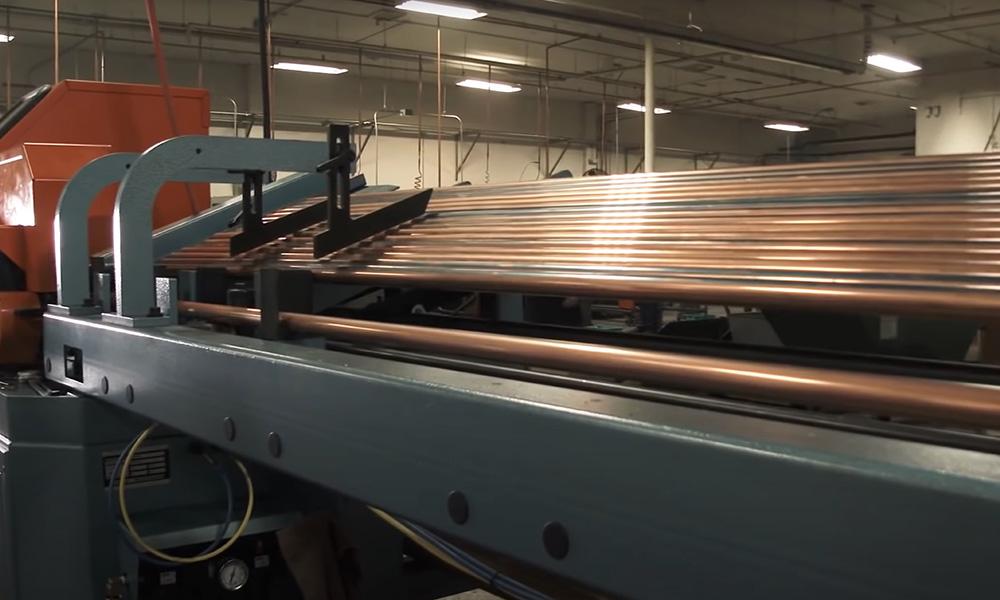 The copper market is unique in that exchange inventories are only one part of the global supply chain. Changes in mine supply, smelting processes, regional logistics, and end-user consumption all affect inventory performance. Therefore, a single inventory figure cannot fully represent market trends, but inventory fluctuations often amplify short-term market sentiment, making price volatility more pronounced. Recently, there has been a significant shift in copper resource flows, with more metal flowing into the US market. Higher regional spot premiums have increased the attractiveness of resources entering the US market, putting pressure on the availability of spot resources in other regions. This phenomenon reflects a regional reallocation of the global copper market. Differences in industry demand, inventory levels, and logistics costs across different regions create different price signals. When a region becomes more attractive for resources, global trade flows adjust accordingly. From an industry perspective, copper is a crucial raw material for the power, manufacturing, and infrastructure sectors, and its demand changes are closely related to the global industrial cycle. The current market focus is not only on whether copper mine supply is increasing, but also on how existing resources are being redistributed across different regions. The continuous changes in regional premiums also indicate that there is no completely unified global spot environment in the copper market. Traders need to pay attention to the combined impact of inventory, transportation, policy environment, and supply chain procurement behavior, rather than relying solely on a single indicator to judge the market state. With copper prices at relatively high levels, demand-side procurement behavior has become more cautious. Some end-user companies, facing cost pressures, will adjust their procurement pace, mitigating the impact of price fluctuations through inventory management and order scheduling. Currently, physical market demand remains relatively resilient, but high prices are changing the behavior patterns of market participants. On the one hand, tight supply easily strengthens market focus on resource scarcity; on the other hand, excessively high prices may also affect procurement enthusiasm in some sectors. This dynamic balance between supply and demand is an important characteristic of the long-term operation of the industrial metals market. Copper is not solely determined by supply, nor is it entirely driven by demand, but rather constantly seeks a new balance among industry profits, inventory cycles, and the macroeconomic environment. Furthermore, the temporary weakening of the US dollar also provides some support for the copper market; changes in the dollar affect the procurement costs and capital allocation of different market participants. However, the dollar factor is more of an external variable; inventory and physical demand remain the important foundations determining the copper market structure. From a technical perspective, copper futures have recently maintained operation in the upper-middle range of the Bollinger Bands, with the moving average system showing overall signs of repair. The MACD indicator shows that short-term momentum has improved somewhat compared to before, but the indicator's high level also suggests that the market's bullish and bearish forces are rebalancing. From a fundamental perspective, the market's focus will remain on changes in exchange inventories, global supply chain flows, the recovery of end-user demand, and the monetary policy environment of major economies. Any change in any single factor could alter the market's assessment of the supply-demand balance.
The copper market is unique in that exchange inventories are only one part of the global supply chain. Changes in mine supply, smelting processes, regional logistics, and end-user consumption all affect inventory performance. Therefore, a single inventory figure cannot fully represent market trends, but inventory fluctuations often amplify short-term market sentiment, making price volatility more pronounced. Recently, there has been a significant shift in copper resource flows, with more metal flowing into the US market. Higher regional spot premiums have increased the attractiveness of resources entering the US market, putting pressure on the availability of spot resources in other regions. This phenomenon reflects a regional reallocation of the global copper market. Differences in industry demand, inventory levels, and logistics costs across different regions create different price signals. When a region becomes more attractive for resources, global trade flows adjust accordingly. From an industry perspective, copper is a crucial raw material for the power, manufacturing, and infrastructure sectors, and its demand changes are closely related to the global industrial cycle. The current market focus is not only on whether copper mine supply is increasing, but also on how existing resources are being redistributed across different regions. The continuous changes in regional premiums also indicate that there is no completely unified global spot environment in the copper market. Traders need to pay attention to the combined impact of inventory, transportation, policy environment, and supply chain procurement behavior, rather than relying solely on a single indicator to judge the market state. With copper prices at relatively high levels, demand-side procurement behavior has become more cautious. Some end-user companies, facing cost pressures, will adjust their procurement pace, mitigating the impact of price fluctuations through inventory management and order scheduling. Currently, physical market demand remains relatively resilient, but high prices are changing the behavior patterns of market participants. On the one hand, tight supply easily strengthens market focus on resource scarcity; on the other hand, excessively high prices may also affect procurement enthusiasm in some sectors. This dynamic balance between supply and demand is an important characteristic of the long-term operation of the industrial metals market. Copper is not solely determined by supply, nor is it entirely driven by demand, but rather constantly seeks a new balance among industry profits, inventory cycles, and the macroeconomic environment. Furthermore, the temporary weakening of the US dollar also provides some support for the copper market; changes in the dollar affect the procurement costs and capital allocation of different market participants. However, the dollar factor is more of an external variable; inventory and physical demand remain the important foundations determining the copper market structure. From a technical perspective, copper futures have recently maintained operation in the upper-middle range of the Bollinger Bands, with the moving average system showing overall signs of repair. The MACD indicator shows that short-term momentum has improved somewhat compared to before, but the indicator's high level also suggests that the market's bullish and bearish forces are rebalancing. From a fundamental perspective, the market's focus will remain on changes in exchange inventories, global supply chain flows, the recovery of end-user demand, and the monetary policy environment of major economies. Any change in any single factor could alter the market's assessment of the supply-demand balance.
- Risk Warning and Disclaimer
- The market involves risk, and trading may not be suitable for all investors. This article is for reference only and does not constitute personal investment advice, nor does it take into account certain users’ specific investment objectives, financial situation, or other needs. Any investment decisions made based on this information are at your own risk.