Five key questions remain unanswered in Federal Reserve Chairman Warsh's first appearance at the annual meeting.
2026-08-25 21:37:03
The annual Jackson Hole Economic Symposium, hosted by the Federal Reserve Bank of Kansas City, has been held as scheduled. This top-level economic event brings together central bank officials, finance ministers, academic experts, and key market participants from around the world, and has always been a crucial window for the Federal Reserve to release its monetary policy direction and guide global market expectations. This year's symposium is themed "Financial Innovation: Implications for Payments and Policy," and the biggest focus of this event is undoubtedly Kevin Warsh's keynote speech on Friday, who officially succeeded Jerome Powell as Chairman of the Federal Reserve in May. As Trump's nominee for the new head of the Federal Reserve, Warsh has maintained a low-key and cautious stance since taking office, rarely disclosing specific ideas on interest rate adjustments, inflation response, and policy framework reform. The market has always lacked a clear understanding of his governing philosophy. Therefore, this speech is not only Warsh's first major appearance on the top economic stage since taking office, but also a key test of his governing ability and a clear indication of the Fed's new policy tone. The Federal Reserve has declined to comment on the content of the speech in advance, and the market's attention is fully focused on this speech, awaiting his answers to five core questions, which may completely rewrite the trading logic of the US stock and bond markets. Previously, Warsh likened this Jackson Hole speech to "a blank sheet of paper," as the focus of his remarks was yet to be determined. It could focus on the long-term macroeconomic landscape, explaining the Fed's long-term policy philosophy, or it could lay the groundwork for subsequent monetary policy actions from September to December. Compared to short-term policy signals, most institutions believe that this speech will place greater emphasis on disclosing the Fed's policy response logic and long-term development framework. 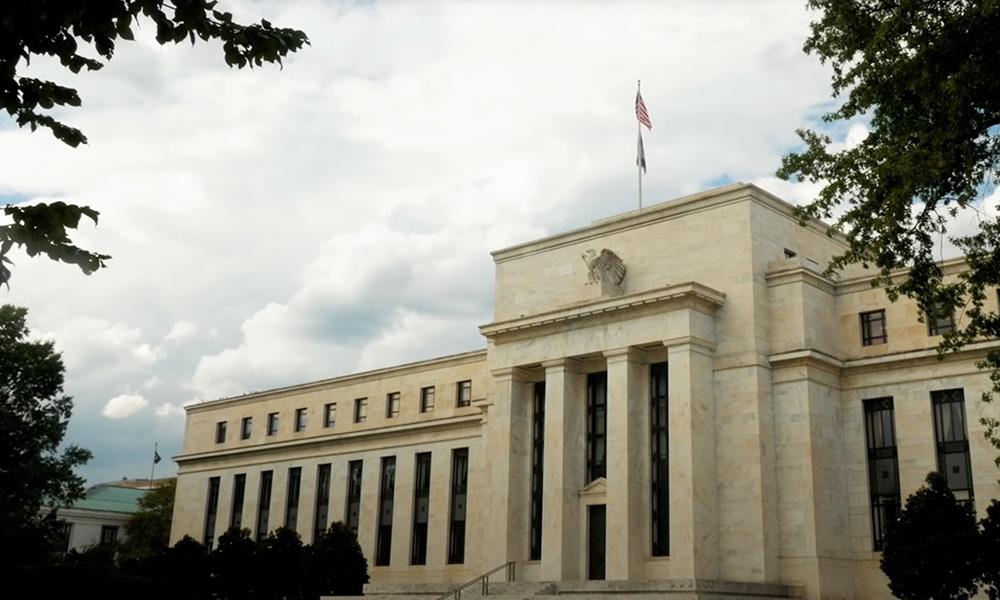
Forward guidance restructured: Saying goodbye to "verbal intervention," the market may face increased volatility.
At the level of monetary policy communication, Warsh has already clearly stated his opposition to the Fed's past frequent verbal forward guidance model, arguing that in the context of economic uncertainty, excessively releasing interest rate expectations is not only outdated but also harbors policy risks. He advocates for a minimalist central bank communication style of "less talk, more action," completely changing the Fed's previous practice of routinely releasing policy signals. However, this approach has sparked widespread market concerns. Industry institutions point out that the core function of forward guidance, which emerged after the financial crisis, is to lower long-term financing costs and stabilize market expectations. Warsh's approach of weakening verbal guidance will deprive investors of clear policy references, forcing them to interpret economic data and predict policy trends independently. The current US Treasury market is already fragile and volatile; the Fed's lack of communication could further amplify market volatility. Even if Warsh adheres to the theme of financial innovation at the annual meeting and avoids the topic of interest rates, it could be interpreted by the market as insufficient attention to inflation risks, thereby triggering capital market turmoil.Debt Market Crisis Resolution: How to Respond to High Debt and Market Panic
This speech comes at a critical juncture for the US economy: the US national debt has surpassed the $40 trillion mark, compounded by massive fiscal deficits, high corporate debt, and unstable inflation expectations, leading to persistent panic in the US Treasury market and a sharp rise in bond yields. Although the US Treasury has attempted to stabilize the market through increased Treasury repurchase operations, Oxford Economics data shows that these measures have had limited effect, failing to effectively alleviate market anxiety. As the maker of the federal funds rate, the Federal Reserve's policy direction directly determines the cost of financing and the trend of US Treasury yields. Market analysts have clearly stated that every statement Warsh makes will be meticulously analyzed by traders. His ambiguous policy stance has already exacerbated uncertainty among bond investors, making this speech a key focus for the market, particularly regarding whether it will release signals of stabilization and alleviate market panic.Inflation-fighting strategies: Can you provide a clear plan to combat inflation?
Inflation is currently the most intractable core problem for the Federal Reserve and the biggest pressure facing Warsh's administration. Impacted by the energy crisis triggered by the situation in Iran, US inflation has rebounded, exhibiting widespread and persistent upward pressure on prices. Data shows that the overall US inflation rate fell slightly to 3.4% in July, lower than the three-year peak of 3.5% in June and 4.2% in May, but still significantly exceeding the Fed's long-term inflation target of 2%. Meanwhile, the continued weakening of the US labor market has almost made the path of controlling inflation through interest rate hikes impossible. The latest Fed meeting minutes show that most officials believe that if inflation cannot continue to decline, it will still be necessary to tighten monetary policy. Warsh's previous public speech in July was widely criticized by the market for not providing a clear anti-inflation plan. Now, investors are eager for him to clarify his stance in this speech, publicly stating his willingness to suppress inflation and stabilize prices through interest rate hikes. If Warsh continues to make ambiguous statements, the current summer sell-off of US Treasury bonds may escalate further, evolving into a systemic crisis.Institutional reforms implemented: The Fed's "new policy" is no longer just empty talk.
Before taking office, Warsh had publicly and sharply criticized the Fed's operating model during the Powell era, stating that the Fed needed a complete "mechanismic reform." This required not only replacing the core management team but also a comprehensive restructuring of the Fed's operational system, abandoning outdated and ineffective working methods. The market widely expected Warsh to push the Fed away from the Powell era and towards a new operating style characterized by less intervention, less communication, and a focus on processes. However, to date, Warsh has only clearly stated his "rejection of the old model," never publicly releasing a complete reform blueprint. This lack of detail has severely damaged his personal credibility and market confidence. Economist Claudia Sam points out that the market clearly knows what Warsh opposes, but is completely unclear about the new policy system and operating mechanism he advocates. This Jackson Hole speech is a crucial opportunity for Warsh to refine his reform vision, improve the framework of the Fed's new policies, and rebuild market trust.Central Bank Independence: Clarifying the Boundaries of Power and Responsibility between the White House and the Federal Reserve
The Federal Reserve's policy independence and credibility have always been a focus of market attention, and this issue is becoming increasingly important given the ongoing pressure from the White House. Trump has previously clashed frequently with Powell's team and has repeatedly called for significant interest rate cuts by the Fed. The market has been closely scrutinizing Warsh's governing stance to determine whether he will succumb to the White House's political demands. Market reports indicate that Trump has called Warsh multiple times to discuss economic policy. Although Trump himself denies frequent communication, admitting only to one call since taking office, concerns about political interference in Fed policy persist. Trump has also acknowledged that Warsh holds only an equal chief position on the Federal Open Market Committee and cannot unilaterally dominate interest rate decisions; the Fed Board as a whole tends to maintain high interest rates. Furthermore, Warsh previously proposed revising the 1951 Treasury-Federal Reserve Agreement, the institutional foundation for modern Fed policy independence, which clearly defines the boundaries of authority and responsibility between the Treasury and the Fed. In this speech, will Warsh clarify the new boundaries of authority and responsibility between the two institutions, and disclose the Fed's policy plans during his four-year term, clarifying the central bank's positioning and direction? Overall, this Jackson Hole speech was a crucial window for Warsh to solidify his governing foundation and reshape the Federal Reserve's market image. The market did not expect him to directly announce the September monetary policy outcome, but rather urgently needed to understand the Fed's new policy response mechanism, its determination to combat inflation, its reform path, and its independent stance through his remarks. Even subtle changes in the speech's wording will reshape global expectations regarding US interest rates, inflation, and the economic outlook, influencing the direction of global financial markets.- Risk Warning and Disclaimer
- The market involves risk, and trading may not be suitable for all investors. This article is for reference only and does not constitute personal investment advice, nor does it take into account certain users’ specific investment objectives, financial situation, or other needs. Any investment decisions made based on this information are at your own risk.