Barclays has turned hawkish, predicting the Federal Reserve will raise interest rates by 25 basis points each in September and December, leading to a repricing of the dollar and US Treasury bonds.
2026-08-31 16:43:03
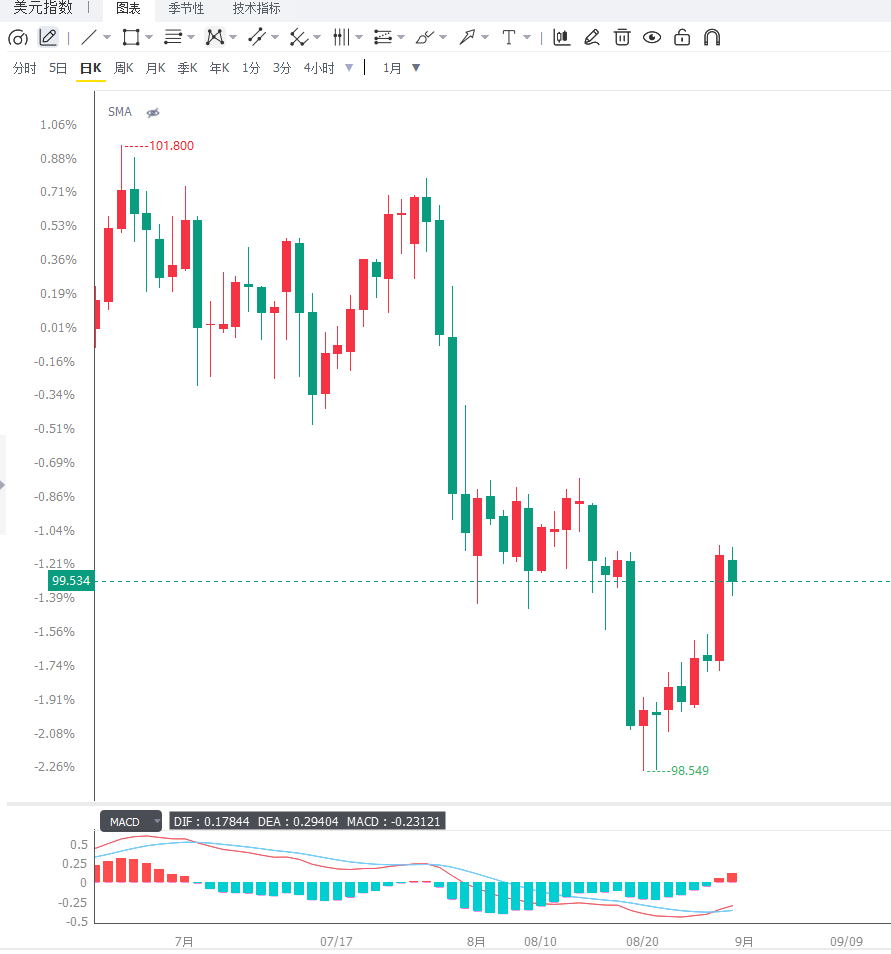
Expectations for the Federal Reserve's monetary policy are undergoing a significant shift. Barclays recently revised its assessment of the US interest rate path, now predicting the Fed will raise rates by 25 basis points each in September and December, for a total increase of 50 basis points. Previously, the firm expected the Fed to keep rates unchanged for the remainder of 2026. This shift from a "hold steady" to "two rate hikes this year" reflects a clear change in the firm's assessment of sticky US inflation and the risks of monetary policy tightening. 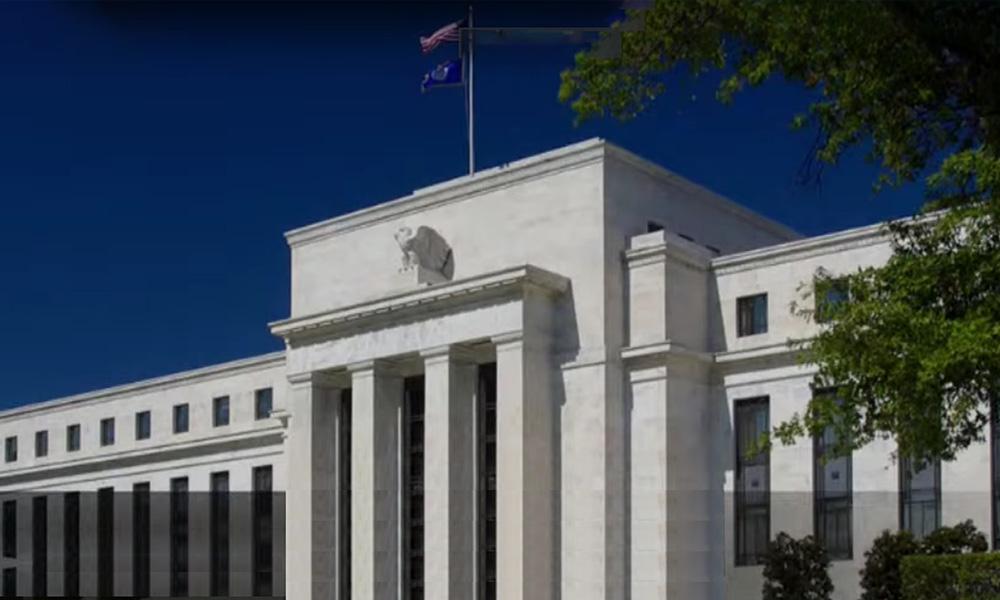 One of the key factors driving this shift is the hawkish signals recently released by Federal Reserve Chairman Kevin Warsh. At the Jackson Hole Economic Policy Symposium, Warsh emphasized that while some recent U.S. inflation data has been better than previously expected, it is insufficient to prove a fundamental change in the underlying inflation trend. If policymakers cannot confirm that inflation is falling back to the 2% target at a sufficiently rapid pace, the Fed will need to take further action. This statement quickly altered some of the market's assessments of the U.S. interest rate path. Previously, investors generally expected the Fed to enter a relatively accommodative phase against the backdrop of gradually slowing economic growth, but Warsh's remarks re-emphasized the importance of controlling inflation, causing the market to reassess that U.S. interest rates may remain high for a longer period, and there is even a possibility of further rate hikes. Barclays revised its forecast for rate hikes this year from zero to two, a significant signal of the recent re-hawkish shift in Fed policy expectations. For financial markets, the impact of this change is not limited to U.S. interest rates themselves, but may also have a ripple effect on the gold, foreign exchange, and commodity markets through the dollar, U.S. Treasury yields, and global capital flows. The dollar is one of the most directly benefiting assets. If the market gradually accepts the assessment that the Federal Reserve will begin a new round of interest rate hikes in September, the interest rate differential between the US and other major economies may widen again, increasing the attractiveness of dollar assets. Previously, the dollar index rebounded to around 99.60 driven by hawkish policy signals. Although it has seen a short-term pullback, as long as US economic data continues to validate the necessity of maintaining high interest rates, the dollar still has the potential to challenge the 100 mark. The US Treasury market also faces repricing pressure. Rising expectations of Fed policy rates typically push up short-term Treasury yields first, and if the market further believes that the high-interest-rate environment may persist longer, medium- and long-term yields may also be affected. Higher risk-free rates will increase the opportunity cost of global funds holding dollar assets and may reshape the valuation logic of stocks, gold, and other risky assets. Gold faces even more direct pressure. Gold itself does not generate interest income, so when US real interest rates and Treasury yields continue to rise, the relative opportunity cost of holding gold increases. Previously, gold prices remained strong at high levels, largely supported by a weaker dollar, safe-haven demand, and market expectations of future easing policies. If the Federal Reserve re-enters a rate hike cycle, gold will face some valuation pressure in the short term. However, this does not mean that the medium- to long-term upward logic for gold has been completely reversed. Global geopolitical risks, fiscal deficits, central bank gold purchases, and market concerns about the long-term stability of the monetary system may still constitute important underlying support for gold. Therefore, even if the Fed's policy turns hawkish, gold is more likely to experience high-level fluctuations and phased adjustments, rather than simply entering a sustained downward trend. Non-US currencies also need to be wary of the pressure from a renewed strengthening of the US dollar. The euro and pound sterling have recently been supported by their respective central bank policy expectations, but if the Fed's rate hike expectations continue to rise, the interest rate differentials between the US and Europe, and between the US and the UK, may tilt back towards the US dollar. For the yen, rising US interest rates will also increase the pressure on the Japan-US interest rate differential, but the expectation of further policy adjustments by the Bank of Japan in the future may partially offset this impact. The impact on the oil market is relatively complex. On the one hand, further rate hikes by the Fed mean higher financing costs and may suppress global economic growth and energy demand; on the other hand, current international oil prices are supported by geopolitical tensions and supply risks. If energy prices continue to rise, it may push up US inflation again, making it more difficult for the Fed to quickly shift to easing. The resulting cycle of "rising oil prices → increased inflationary pressure → high interest rates" could become a significant variable in financial markets in the coming months. Therefore, the real significance of Barclays' revised forecast lies in the market's renewed focus on a previously downplayed risk: the Federal Reserve is not limited to a choice between "cutting rates or keeping them unchanged." If inflation shows renewed resilience, raising rates again could become a policy option. However, it's crucial to avoid equating institutional forecasts directly with the Fed's final decision. Before the September policy meeting, US employment, wage, and inflation data will continue to influence market pricing. If the job market remains resilient and core inflation lacks further downward momentum, Barclays' forecast may gain wider market acceptance; conversely, if employment cools significantly and inflation continues to decline, expectations for two rate hikes could quickly cool. Particularly noteworthy is the US non-farm payroll data. Whether the job market deteriorates significantly will directly impact the Fed's assessment of the relationship between economic growth and inflation. If job creation remains strong and wage growth does not slow significantly, the Federal Reserve will have greater policy space to maintain or even raise interest rates. However, if employment data falls significantly short of expectations, the market may re-bet on slower economic growth, and Barclays' hawkish forecast faces the risk of revision. From a global market perspective, the most important factor to watch is not the institutional forecast itself, but whether more large financial institutions begin to simultaneously raise their expectations for Fed rate hikes. If this shift becomes a consensus, the dollar and Treasury yields may undergo a trend of repricing. If it is merely a strategy adjustment by a few institutions based on Warsh's speech, the market impact may remain largely short-term.
  Editor's Summary: Barclays' shift from predicting the Federal Reserve would maintain interest rates this year to forecasting 25 basis point rate hikes in September and December respectively indicates a significant increase in market risk of a renewed hawkish stance in US monetary policy. Warsh's assessment that underlying inflation remains sticky is a key catalyst driving this change. If future US employment and inflation data continue to be resilient, expectations of a Fed rate hike may further intensify, supporting the dollar and US Treasury yields, while gold and some non-US currencies may face temporary pressure. Conversely, if the US economy cools significantly, the market may return to an easing strategy. Therefore, the core of the market going forward is not simply judging whether the Fed will raise rates, but rather observing whether US inflation and employment data can sustainably support a higher interest rate path. Until this answer is clear, the dollar, gold, and major foreign exchange markets are likely to maintain high volatility, and investors need to be particularly wary of the risk of asset price repricing caused by rapid changes in policy expectations.
One of the key factors driving this shift is the hawkish signals recently released by Federal Reserve Chairman Kevin Warsh. At the Jackson Hole Economic Policy Symposium, Warsh emphasized that while some recent U.S. inflation data has been better than previously expected, it is insufficient to prove a fundamental change in the underlying inflation trend. If policymakers cannot confirm that inflation is falling back to the 2% target at a sufficiently rapid pace, the Fed will need to take further action. This statement quickly altered some of the market's assessments of the U.S. interest rate path. Previously, investors generally expected the Fed to enter a relatively accommodative phase against the backdrop of gradually slowing economic growth, but Warsh's remarks re-emphasized the importance of controlling inflation, causing the market to reassess that U.S. interest rates may remain high for a longer period, and there is even a possibility of further rate hikes. Barclays revised its forecast for rate hikes this year from zero to two, a significant signal of the recent re-hawkish shift in Fed policy expectations. For financial markets, the impact of this change is not limited to U.S. interest rates themselves, but may also have a ripple effect on the gold, foreign exchange, and commodity markets through the dollar, U.S. Treasury yields, and global capital flows. The dollar is one of the most directly benefiting assets. If the market gradually accepts the assessment that the Federal Reserve will begin a new round of interest rate hikes in September, the interest rate differential between the US and other major economies may widen again, increasing the attractiveness of dollar assets. Previously, the dollar index rebounded to around 99.60 driven by hawkish policy signals. Although it has seen a short-term pullback, as long as US economic data continues to validate the necessity of maintaining high interest rates, the dollar still has the potential to challenge the 100 mark. The US Treasury market also faces repricing pressure. Rising expectations of Fed policy rates typically push up short-term Treasury yields first, and if the market further believes that the high-interest-rate environment may persist longer, medium- and long-term yields may also be affected. Higher risk-free rates will increase the opportunity cost of global funds holding dollar assets and may reshape the valuation logic of stocks, gold, and other risky assets. Gold faces even more direct pressure. Gold itself does not generate interest income, so when US real interest rates and Treasury yields continue to rise, the relative opportunity cost of holding gold increases. Previously, gold prices remained strong at high levels, largely supported by a weaker dollar, safe-haven demand, and market expectations of future easing policies. If the Federal Reserve re-enters a rate hike cycle, gold will face some valuation pressure in the short term. However, this does not mean that the medium- to long-term upward logic for gold has been completely reversed. Global geopolitical risks, fiscal deficits, central bank gold purchases, and market concerns about the long-term stability of the monetary system may still constitute important underlying support for gold. Therefore, even if the Fed's policy turns hawkish, gold is more likely to experience high-level fluctuations and phased adjustments, rather than simply entering a sustained downward trend. Non-US currencies also need to be wary of the pressure from a renewed strengthening of the US dollar. The euro and pound sterling have recently been supported by their respective central bank policy expectations, but if the Fed's rate hike expectations continue to rise, the interest rate differentials between the US and Europe, and between the US and the UK, may tilt back towards the US dollar. For the yen, rising US interest rates will also increase the pressure on the Japan-US interest rate differential, but the expectation of further policy adjustments by the Bank of Japan in the future may partially offset this impact. The impact on the oil market is relatively complex. On the one hand, further rate hikes by the Fed mean higher financing costs and may suppress global economic growth and energy demand; on the other hand, current international oil prices are supported by geopolitical tensions and supply risks. If energy prices continue to rise, it may push up US inflation again, making it more difficult for the Fed to quickly shift to easing. The resulting cycle of "rising oil prices → increased inflationary pressure → high interest rates" could become a significant variable in financial markets in the coming months. Therefore, the real significance of Barclays' revised forecast lies in the market's renewed focus on a previously downplayed risk: the Federal Reserve is not limited to a choice between "cutting rates or keeping them unchanged." If inflation shows renewed resilience, raising rates again could become a policy option. However, it's crucial to avoid equating institutional forecasts directly with the Fed's final decision. Before the September policy meeting, US employment, wage, and inflation data will continue to influence market pricing. If the job market remains resilient and core inflation lacks further downward momentum, Barclays' forecast may gain wider market acceptance; conversely, if employment cools significantly and inflation continues to decline, expectations for two rate hikes could quickly cool. Particularly noteworthy is the US non-farm payroll data. Whether the job market deteriorates significantly will directly impact the Fed's assessment of the relationship between economic growth and inflation. If job creation remains strong and wage growth does not slow significantly, the Federal Reserve will have greater policy space to maintain or even raise interest rates. However, if employment data falls significantly short of expectations, the market may re-bet on slower economic growth, and Barclays' hawkish forecast faces the risk of revision. From a global market perspective, the most important factor to watch is not the institutional forecast itself, but whether more large financial institutions begin to simultaneously raise their expectations for Fed rate hikes. If this shift becomes a consensus, the dollar and Treasury yields may undergo a trend of repricing. If it is merely a strategy adjustment by a few institutions based on Warsh's speech, the market impact may remain largely short-term. Editor's Summary: Barclays' shift from predicting the Federal Reserve would maintain interest rates this year to forecasting 25 basis point rate hikes in September and December respectively indicates a significant increase in market risk of a renewed hawkish stance in US monetary policy. Warsh's assessment that underlying inflation remains sticky is a key catalyst driving this change. If future US employment and inflation data continue to be resilient, expectations of a Fed rate hike may further intensify, supporting the dollar and US Treasury yields, while gold and some non-US currencies may face temporary pressure. Conversely, if the US economy cools significantly, the market may return to an easing strategy. Therefore, the core of the market going forward is not simply judging whether the Fed will raise rates, but rather observing whether US inflation and employment data can sustainably support a higher interest rate path. Until this answer is clear, the dollar, gold, and major foreign exchange markets are likely to maintain high volatility, and investors need to be particularly wary of the risk of asset price repricing caused by rapid changes in policy expectations.
- Risk Warning and Disclaimer
- The market involves risk, and trading may not be suitable for all investors. This article is for reference only and does not constitute personal investment advice, nor does it take into account certain users’ specific investment objectives, financial situation, or other needs. Any investment decisions made based on this information are at your own risk.