Central banks in multiple countries are simultaneously focusing on inflation, indicating that the future financial environment is entering a critical phase.
2026-09-02 18:56:03
On Wednesday, September 2nd, financial markets are facing a new round of macroeconomic variable reassessment. Rapidly rising energy prices, climbing long-term bond yields, and changing expectations for major central bank policies are reshaping risk appetite. Brent crude oil prices have continued to rise, currently approaching $95 per barrel, bringing energy inflationary pressures back into the market's spotlight. Meanwhile, long-term US Treasury yields remain high, with the 30-year yield once approaching a high of 5.28%, reflecting the market's repricing of long-term inflation, fiscal financing pressures, and the path of monetary policy. Market expectations for a policy adjustment by the Federal Reserve in September have clearly intensified, with current interest rate futures pricing indicating a near 70% probability of a rate adjustment at the September meeting. With a new feedback loop forming between energy prices, inflation risks, and central bank policies, global assets are entering a highly volatile environment. 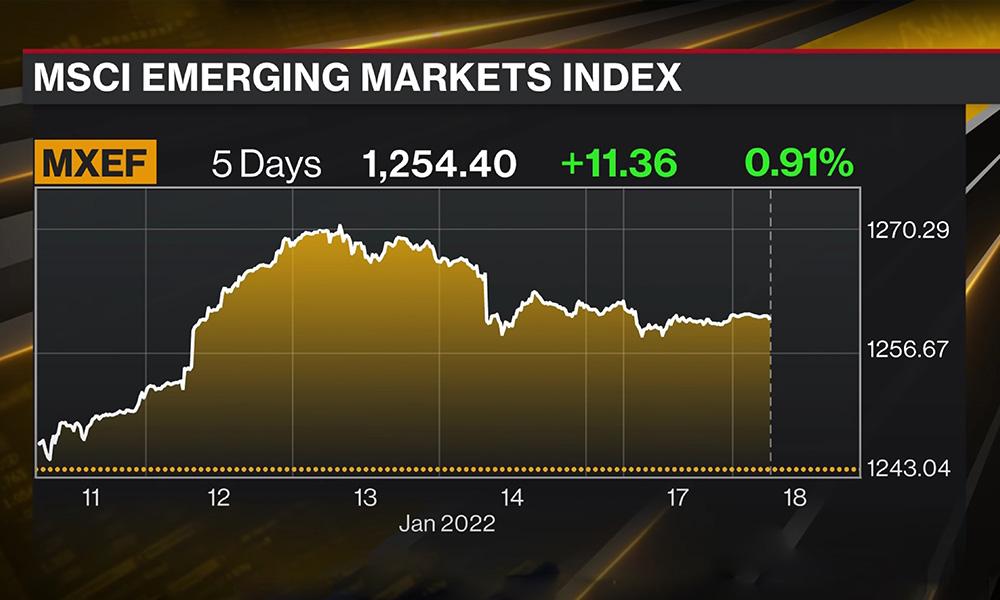
Energy shocks have once again become a core variable in global markets.
The most significant recent change in financial markets is not the volatility of individual asset prices, but rather the renewed prominence of energy factors as a crucial variable influencing macroeconomic policy. The upward trend in the crude oil market has expanded from traditional supply and demand dynamics to include supply security, transportation risks, and shifts in inflation expectations. Brent crude has risen continuously, reaching a temporary high, with market focus concentrated on the security situation in key energy transportation regions. If supply-side risks persist, rising oil prices could be transmitted to end-user prices through energy costs, transportation expenses, and corporate production costs. For global central banks, the challenge posed by rising energy prices lies in increased inflation stickiness. If energy costs push overall price levels under renewed pressure, the scope for monetary policy easing may be limited. The market's current reassessment of interest rate paths is essentially a re-evaluation of the balance between "economic growth pressures" and "inflation risks." In the past, market attention has focused more on slowing economic growth and the possibility of policy shifts. However, changes in energy prices have altered this logic, requiring central banks to simultaneously address both growth and price stability objectives, significantly increasing the complexity of policy choices.The bond market is signaling a shift in policy expectations.
The global bond market has recently experienced a significant adjustment, with a rapid rise in long-term interest rates becoming a key focus. Changes in long-term bond yields typically reflect not only short-term interest rate expectations but also the market's comprehensive assessment of future inflation, fiscal conditions, and risk premiums. The 30-year US Treasury yield is close to 5.28%, a relatively high level in recent years, indicating that investors' repricing of long-term funding costs continues. Pressure on long-term bonds suggests that the market is increasing its compensation requirements for future uncertainty. Changes in the bond market also affect other asset classes. Rising long-term interest rates alter the corporate financing environment and increase the sensitivity of highly valued assets to interest rate changes. This is especially true for growth sectors, whose valuation systems often rely more heavily on discounted future cash flows, making them more sensitive to changes in the interest rate environment. From a financial market structure perspective, this round of bond adjustments is not simply a change in interest rates, but rather the result of the combined effects of inflation expectations, fiscal financing needs, and central bank policy expectations. The market is currently seeking a new equilibrium.The policy paths of major central banks have diverged.
Major central banks around the world are currently facing similar challenges, but their policy pace is not entirely synchronized. Regarding the Federal Reserve, market expectations for a policy adjustment in September are rapidly rising. Interest rate market data shows that investors are pricing in a significantly higher rate hike in September. This change is mainly influenced by rising energy prices and escalating inflation concerns. The European Central Bank's policy signals are also cautious. ECB officials have recently signaled a possible further increase in financing costs, but remain more cautious about the scope for future policy action. This indicates that European policymakers need to find a balance between controlling price pressures and maintaining economic stability. The Bank of Japan continues to monitor changes in price risks. BOJ Governor Kazuo Ueda stated that policy decisions need to consider the risks of rising prices, leading the market to reassess the pace of normalization of Japanese monetary policy. Meanwhile, some BOJ officials have also expressed a greater focus on inflationary pressures. The Reserve Bank of New Zealand has adjusted its policy rate at consecutive meetings, raising the official cash rate to 2.75%, reflecting that some economies are addressing inflationary pressures by increasing financing costs. The current global monetary policy environment is shifting from synchronized action to phased divergence, with different economies facing different sources of inflation, growth pressures, and financial conditions.- Risk Warning and Disclaimer
- The market involves risk, and trading may not be suitable for all investors. This article is for reference only and does not constitute personal investment advice, nor does it take into account certain users’ specific investment objectives, financial situation, or other needs. Any investment decisions made based on this information are at your own risk.