The Japanese yen has strengthened strongly, driven by three major positive factors.
2026-09-03 18:42:03
On Thursday (September 3), during the European session, the USD/JPY exchange rate was 156.351/363, down 1.47%. 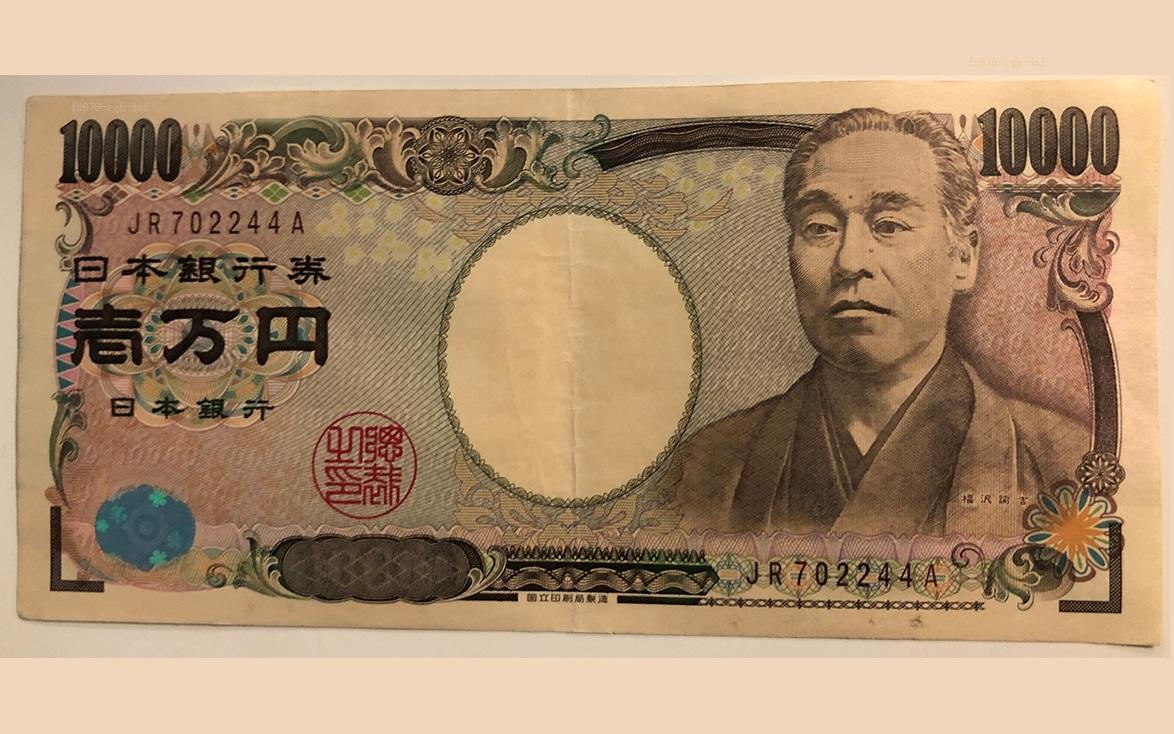 Amidst declining US Treasury yields, the market probability of further monetary tightening by the Federal Reserve in September fell from 70% to 62%, forcing the dollar index to weaken. The weak August ADP private sector employment data, with job growth declining from 44,000 to 38,000, significantly below market expectations, confirmed a cooling US labor market. This reinforced market participants' belief that the Fed would not raise interest rates again in the short term, leading to higher Treasury prices and lower yields, indirectly weakening the dollar's appeal. New York Fed President John Williams publicly stated that the upcoming Federal Open Market Committee (FOMC) meeting would not require monetary tightening, further strengthening market expectations of easing. The strong appreciation of the yen also caused the dollar index to rise before quickly falling back. Multiple market signals indicate that Tokyo is pushing for a stronger yen through various means. The current decline in the USD/JPY exchange rate is comparable to the market performance during Japan's foreign exchange intervention periods this spring and summer. Short-term traders are adjusting their positions, and some who bought the dollar on dips are suffering losses. However, as of now, the market still cannot confirm whether the Japanese government has intervened in the foreign exchange market. Various rumors are spreading rapidly in trading communities, amplifying market panic and speculative sentiment. Bank of Japan board member Takata Hajima made a significant statement, suggesting that the Bank of Japan might consider an unconventional interest rate hike at its September policy meeting. This statement has had a huge impact on the financial markets. Prior to this, the mainstream market expectation was for a 25 basis point rate hike by the Bank of Japan, with the probability of this scenario approaching 90%. Although the market believes that the realistic probability of a 50 basis point rate hike is still low, the marginal increase in this expectation is enough to trigger a large-scale sell-off of USD/JPY by speculative funds. A large number of stop-loss orders for long positions have emerged, accelerating the decline in the exchange rate and resulting in a clear stampede in the short-term market. Besides rumors of foreign exchange intervention and expectations of aggressive interest rate hikes, the news that the Government Pension Investment Fund of Japan (GPIF) held an extraordinary management meeting in August also became a significant driver of the yen's strength. As one of the world's largest sovereign pension investment institutions, GPIF's asset allocation adjustments can influence billions of dollars in cross-border capital flows globally, which is the underlying reason why this meeting attracted so much attention from the trading market. This was the first time in seven years that GPIF held an extraordinary meeting during its monthly holiday. The market subsequently speculated that GPIF would adjust its asset allocation portfolio, increasing its allocation to Japanese domestic bonds. Currently, Japanese domestic bond yields have climbed to their highest level since 1996. If GPIF reduces its overseas assets and repatriates funds to buy domestic bonds, there will be a large-scale return of overseas capital to Japan, directly reducing the external supply of yen and continuously putting downward pressure on the USD/JPY exchange rate. The market generally believes that against the backdrop of ongoing discussions about exchange rate intervention and central bank interest rate hikes in the US, Japanese policymakers will also be forced to introduce corresponding policies to address the exchange rate situation. Meanwhile, US Treasury Secretary Bessenter also has his own interests to consider. In his view, the Bank of Japan's monetary tightening policy will not only stabilize Japan's domestic debt market but also have a stabilizing effect on the global debt market. The global debt market is currently more vulnerable; if Japan tightens its monetary policy, it can alleviate the risk premium of highly leveraged assets globally and reduce the possibility of disorderly sell-offs in the global bond market. This also makes overseas institutions more accepting of the Bank of Japan's interest rate hikes. Another positive factor for the yen comes from the change in the tone of the US Treasury Secretary. The US stance has softened, reducing external pressure on the Japanese government to pressure the Bank of Japan. This gives the Bank of Japan greater policy autonomy, allowing it to be less concerned about external public opinion and further opening up room for imagination regarding a stronger yen.
Amidst declining US Treasury yields, the market probability of further monetary tightening by the Federal Reserve in September fell from 70% to 62%, forcing the dollar index to weaken. The weak August ADP private sector employment data, with job growth declining from 44,000 to 38,000, significantly below market expectations, confirmed a cooling US labor market. This reinforced market participants' belief that the Fed would not raise interest rates again in the short term, leading to higher Treasury prices and lower yields, indirectly weakening the dollar's appeal. New York Fed President John Williams publicly stated that the upcoming Federal Open Market Committee (FOMC) meeting would not require monetary tightening, further strengthening market expectations of easing. The strong appreciation of the yen also caused the dollar index to rise before quickly falling back. Multiple market signals indicate that Tokyo is pushing for a stronger yen through various means. The current decline in the USD/JPY exchange rate is comparable to the market performance during Japan's foreign exchange intervention periods this spring and summer. Short-term traders are adjusting their positions, and some who bought the dollar on dips are suffering losses. However, as of now, the market still cannot confirm whether the Japanese government has intervened in the foreign exchange market. Various rumors are spreading rapidly in trading communities, amplifying market panic and speculative sentiment. Bank of Japan board member Takata Hajima made a significant statement, suggesting that the Bank of Japan might consider an unconventional interest rate hike at its September policy meeting. This statement has had a huge impact on the financial markets. Prior to this, the mainstream market expectation was for a 25 basis point rate hike by the Bank of Japan, with the probability of this scenario approaching 90%. Although the market believes that the realistic probability of a 50 basis point rate hike is still low, the marginal increase in this expectation is enough to trigger a large-scale sell-off of USD/JPY by speculative funds. A large number of stop-loss orders for long positions have emerged, accelerating the decline in the exchange rate and resulting in a clear stampede in the short-term market. Besides rumors of foreign exchange intervention and expectations of aggressive interest rate hikes, the news that the Government Pension Investment Fund of Japan (GPIF) held an extraordinary management meeting in August also became a significant driver of the yen's strength. As one of the world's largest sovereign pension investment institutions, GPIF's asset allocation adjustments can influence billions of dollars in cross-border capital flows globally, which is the underlying reason why this meeting attracted so much attention from the trading market. This was the first time in seven years that GPIF held an extraordinary meeting during its monthly holiday. The market subsequently speculated that GPIF would adjust its asset allocation portfolio, increasing its allocation to Japanese domestic bonds. Currently, Japanese domestic bond yields have climbed to their highest level since 1996. If GPIF reduces its overseas assets and repatriates funds to buy domestic bonds, there will be a large-scale return of overseas capital to Japan, directly reducing the external supply of yen and continuously putting downward pressure on the USD/JPY exchange rate. The market generally believes that against the backdrop of ongoing discussions about exchange rate intervention and central bank interest rate hikes in the US, Japanese policymakers will also be forced to introduce corresponding policies to address the exchange rate situation. Meanwhile, US Treasury Secretary Bessenter also has his own interests to consider. In his view, the Bank of Japan's monetary tightening policy will not only stabilize Japan's domestic debt market but also have a stabilizing effect on the global debt market. The global debt market is currently more vulnerable; if Japan tightens its monetary policy, it can alleviate the risk premium of highly leveraged assets globally and reduce the possibility of disorderly sell-offs in the global bond market. This also makes overseas institutions more accepting of the Bank of Japan's interest rate hikes. Another positive factor for the yen comes from the change in the tone of the US Treasury Secretary. The US stance has softened, reducing external pressure on the Japanese government to pressure the Bank of Japan. This gives the Bank of Japan greater policy autonomy, allowing it to be less concerned about external public opinion and further opening up room for imagination regarding a stronger yen.
- Risk Warning and Disclaimer
- The market involves risk, and trading may not be suitable for all investors. This article is for reference only and does not constitute personal investment advice, nor does it take into account certain users’ specific investment objectives, financial situation, or other needs. Any investment decisions made based on this information are at your own risk.