Industry experts say that gold mining giants with huge amounts of cash on hand are poised to launch mergers and acquisitions, and one type of target is expected to see a surge in value.
2026-09-09 10:10:07
The recent surge in gold prices has reaped huge profits for major gold mining producers, resulting in multi-year highs in cash flow. Brien Lundin, editor-in-chief of *Gold Bulletin*, makes a crucial prediction: after completing debt repayment, dividend payouts, and stock buybacks, gold mining giants are holding massive amounts of cash with nowhere to invest, making a wave of mergers and acquisitions in the mining industry the next major theme of this gold bull market. Meanwhile, the copper market is mirroring a similar trend; however, rising taxes, project approval delays, and increasing energy costs still pose significant risks to mining investment. Combined with data from the CME Group's FedWatch Tool, market expectations for an interest rate hike at the September FOMC meeting will continue to influence precious metal asset pricing. The Federal Open Market Committee (FOMC) will meet on September 15-16 to announce its interest rate decision, with the current market probability of a rate hike at 59.3%.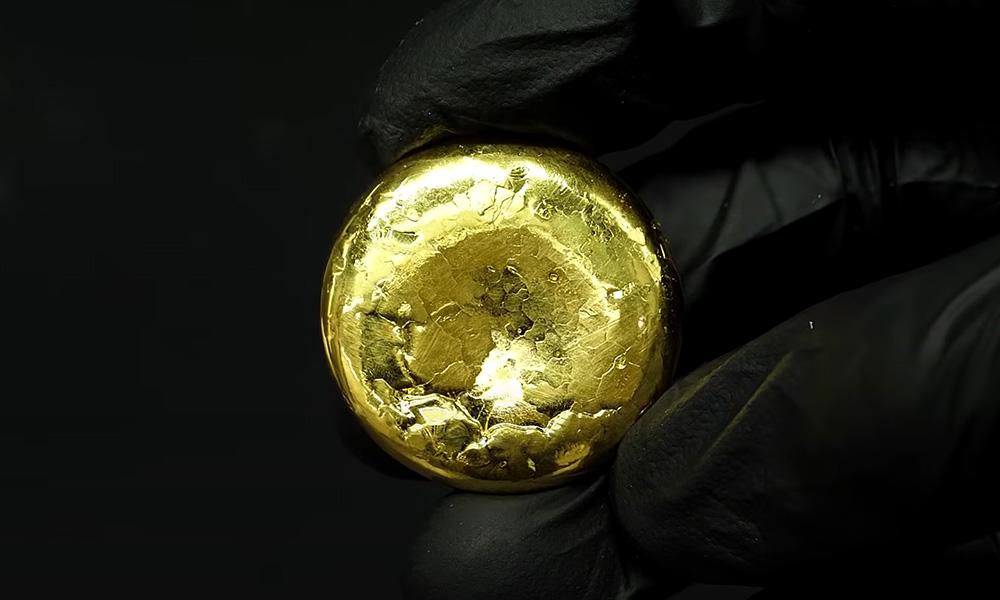
Gold mining giants are flush with cash, and industry mergers and acquisitions are becoming the next main theme of the bull market.
Global gold mining giants are currently enjoying unprecedented profit levels, not only paying off net debt and continuously increasing dividends and conducting share buybacks, but also maintaining massive cash reserves. Brin Lundin stated that large gold producers have already reduced their net debt to zero, and there are limits to their potential for dividends and share buybacks. In the near future, mining companies must expand their resource pipelines. Simply put, large mining companies with huge amounts of cash are about to embark on a project acquisition spree. Lundin believes that the next major phase of this gold bull market will be the acquisition of high-quality, large-scale gold mining projects by leading mining companies. Data from the World Gold Council shows that the all-inclusive cost margin for gold reached $3,076 per ounce in the first quarter, a record high, representing a 134% increase within a year. In January of this year, spot gold prices touched a record high of $5,597 per ounce. Within the industry chain, the stock prices of large producers and project developers have already reflected this trend, but gold exploration companies have yet to see a surge. Lundin stated that exploration targets possess enormous upside potential and will be the last sector to experience a market rally . Large mining companies have limited capacity to rapidly develop new projects, while the valuations of projects held by exploration companies remain at levels seen before the surge in gold prices. The price difference between the two is the core investment logic for the mining sector in the coming year.Rising costs have hidden implications; multiple structural risks cannot be ignored.
Gold's all-inclusive cost of maintenance (AISC) reached $1,785 per ounce in the first quarter, marking the 28th consecutive quarter of year-on-year increases. Contrary to market expectations, Lundin anticipates continued increases in production costs. He argues that rising production costs alongside mining output indicate that miners are no longer solely focused on mining high-grade gold to bolster their quarterly reports, but are beginning to process lower-grade ore. In the current environment of exceptionally high profit margins, expanding production is the core objective. A similar trend is unfolding in the copper market, with London Metal Exchange copper prices hitting a record high of $14,617 per ton on Tuesday, marking two consecutive days of record-breaking performance. Deposits that were unprofitable during periods of low copper prices are now economically viable, and the significant supply gap is unlikely to be seen again in investment careers. Among various costs, government royalties saw the most significant increase, rising 85% year-on-year, exceeding the 70% increase in gold prices. Since 2021, taxes have doubled from 6% to 12% of production costs. During commodity bull markets, governments often revise resource agreements, and the substantial profits of mining companies can easily trigger policy adjustments. Therefore, Lundin prefers mining projects in North America, Mexico, and Latin America, avoiding the need to seek assets in high-risk jurisdictions during periods of high gold prices. High gold prices can solve most problems related to ore grade, mining technology, and infrastructure, but they cannot overcome the bottleneck of project approvals. Lundin stated that even with a significant rise in gold prices, the problem of approval delays remains difficult to resolve. Another major risk comes from the equity dilution of small-cap mining companies; large-scale share issuance can erode shareholder returns, a trap that mining investors must be wary of.Federal Reserve expectations are causing fluctuations in gold prices, but the overall bull market trend remains upward.
Market sentiment regarding the Federal Reserve's policy continues to influence gold prices. Federal Reserve Chairman Kevin Warsh, speaking at the Jackson Hole Economic Symposium on August 28th, stated that work remains to be done in controlling inflation, at which point the probability of a rate hike reached 66.1%, but has since fallen to 59.3%. Brin Lundin, however, does not agree on the feasibility of continued rate hikes. He stated that while Warsh is highly capable, given the current massive debt level, continued rate hikes are fiscally unsustainable. Each time Warsh releases hawkish comments, gold prices face short-term pressure, but long-term funds quickly enter the market to support prices. Looking back at the gold market from 2008 to 2011, gold prices nearly tripled, but mining stocks saw limited gains, primarily due to soaring diesel costs. Lundin analyzes that current gold price increases far exceed the rise in energy costs, leading to continued profit margin expansion. Unless diesel prices experience an extreme surge, it is unlikely that gold prices will rise while mining stocks fall. When discussing past investment mistakes, he frankly admitted that while he excels at stock selection and buying, he is not adept at taking profits. His failure to realize profits when silver prices surged in January was a major lesson. He declined to give precise gold price predictions, but clearly stated his trend assessment. He said that the overall trend for gold is upward, and this bull market still has ample room for further gains.Conclusion
In summary, high gold prices are creating a new dynamic in the mining sector: large gold mining companies are holding huge amounts of cash, a wave of mergers and acquisitions is poised to erupt, and small-cap exploration stocks are seeing a window of opportunity for value reassessment. However, investors should not be blindly optimistic, as rising taxes in resource-rich countries, difficulties in project approvals, equity dilution, and rising energy costs are all real obstacles. In the short term, gold prices will continue to be affected by expectations of Fed rate hikes, but Brin Lundin believes the main theme of the gold bull market remains unchanged. The focus of future market movements will gradually shift from gold prices themselves to mergers and acquisitions of gold mining assets and the reassessment of resource reserves. At 10:09 Beijing time, spot gold was trading at $4375.09 per ounce.- Risk Warning and Disclaimer
- The market involves risk, and trading may not be suitable for all investors. This article is for reference only and does not constitute personal investment advice, nor does it take into account certain users’ specific investment objectives, financial situation, or other needs. Any investment decisions made based on this information are at your own risk.