The pound rebounded ahead of the Bank of England's interest rate decision, awaiting the outcome.
2026-09-17 16:42:11
The pound rebounded against the dollar in Asian trading on Thursday from the 1.3375-1.3370 range, its lowest level since July 30, temporarily ending a three-day losing streak. However, the rebound was limited as market participants remained cautious ahead of the Bank of England's interest rate decision later that day.  The Bank of England is expected to maintain its current interest rate level, so market focus has shifted from the rate decision itself to the voting distribution of the Monetary Policy Committee members and subsequent policy guidance. With rising energy prices reigniting inflation risks, the market is currently pricing in at least one 25-basis-point rate hike by the Bank of England in 2026. If the central bank signals a more cautious policy stance, the pound may continue to face pressure; conversely, if the voting structure or policy wording shows a greater emphasis on inflation risks, it could raise market expectations for future rate hikes. The UK inflation outlook is currently significantly influenced by changes in energy prices. High international oil prices not only increase energy costs for businesses and residents but may also transmit to broader inflation through transportation, production, and service prices. For the Bank of England, whether the energy price shock will evolve into more persistent core inflationary pressures will be a crucial factor in determining the subsequent interest rate path. Regarding the US dollar, the Federal Reserve's hawkish stance continues to exert downward pressure. The Fed announced a 25-basis-point rate hike on Wednesday, the first rate increase since 2023, and the latest interest rate projections show that policymakers still expect further rate hikes this year. The expectation of persistently high US interest rates has strengthened the dollar's yield advantage and limited the pound's upside potential against the dollar. A slight decline in US Treasury yields provided some breathing room for the pound. Profit-taking by dollar bulls after consecutive gains allowed the pound to rebound from its lows near 1.3370. However, given the hawkish stance of the Federal Reserve and the continued tensions in the Middle East, the safe-haven demand for the dollar remains. Therefore, whether the pound's short-term rebound can extend further depends on the information released by the Bank of England. From a macroeconomic perspective, rising oil prices affect both the pound and the dollar, but the mechanisms differ. For the UK, rising energy prices mean increased inflationary pressure and may force the Bank of England to maintain higher interest rates; for the US, rising oil prices may also push up inflation, thus strengthening the Federal Reserve's rationale for maintaining a tight monetary policy. Given the current situation where the Federal Reserve has already raised interest rates again, the dollar's policy support is temporarily more pronounced. Furthermore, the situation in the Middle East remains a significant variable in the foreign exchange market. Escalating regional conflicts could easily push up energy prices and global safe-haven demand, potentially increasing the tendency for funds to flow into safe-haven assets such as the dollar. Unless geopolitical risk premiums decline significantly, the difficulty for the pound to break upwards against the dollar will increase accordingly. Therefore, the Bank of England's current meeting will be a key watershed for the pound's short-term trend. If the policy statement does not significantly reinforce the possibility of further tightening, the market may continue to lower its expectations for UK interest rates, increasing pressure on the pound; if the central bank shows stronger concern about energy-driven inflation risks, it may help provide some support for the pound. Meanwhile, US initial jobless claims data is also worth noting, as its results may further influence the dollar and Federal Reserve policy expectations. From a daily chart perspective, the pound is currently trading around 1.3400 against the dollar, remaining in a generally weak position. The exchange rate is below the 100-day EMA near 1.3461, and also below the 50% Fibonacci retracement level near 1.3409, indicating that the recent rebound is still suppressed by dense resistance above. If it cannot regain a foothold above 1.3409 and further break through 1.3461, a reversal of the daily trend is unlikely in the short term. The first support level to watch is the 61.8% Fibonacci retracement level near 1.3346. If this area is breached, the exchange rate may further seek support at the 78.6% Fibonacci retracement level near 1.3256. Given that the exchange rate has already fallen for three consecutive trading days, the current rebound from around 1.3370 does not necessarily indicate the end of the downtrend; it remains to be seen whether the rebound can form a valid high. On the 4-hour chart, GBP/USD rebounded quickly from around 1.3370 and has regained its footing above 1.3400, but the short-term trend remains a weak correction. The first resistance level to watch is 1.3409; a decisive break above this level would target the 1.3460-1.3465 area, which forms a significant resistance zone with the 100-day EMA. Only if the price holds above this area could the short-term rebound extend further towards 1.3500. Conversely, if the 1.3400 level is breached again, the exchange rate may retest the support levels of 1.3370 and 1.3346.
 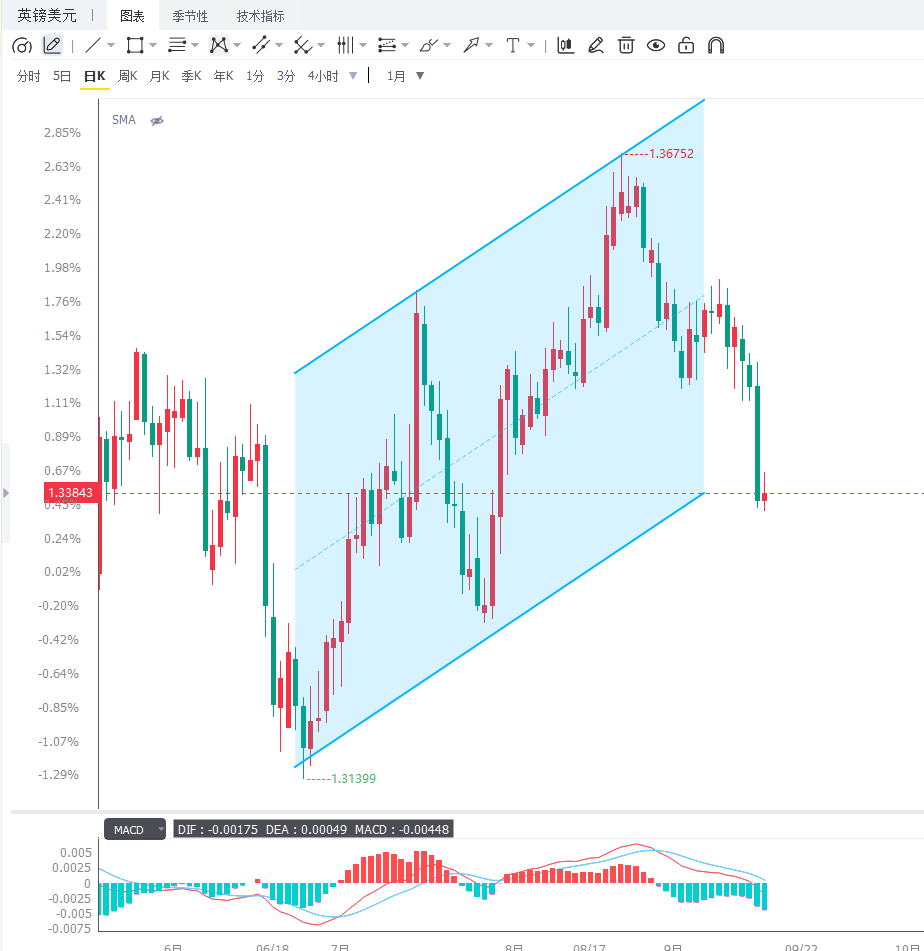 Editor's Summary: The Bank of England's interest rate decision will be the core variable for the short-term movement of the pound against the dollar. The market is focused not only on whether interest rates will be adjusted, but also on the MPC voting structure and policy statements regarding energy prices and the inflation outlook. Meanwhile, the possibility of the Federal Reserve raising interest rates again and further tightening this year continues to support the dollar. Technically, 1.3409 and 1.3461 constitute key resistance levels for the pound against the dollar, while 1.3346 and 1.3256 are important support levels. Short-term movements will continue to revolve around the Bank of England's policy signals and expectations regarding the interest rate differential between Europe and the US.
The Bank of England is expected to maintain its current interest rate level, so market focus has shifted from the rate decision itself to the voting distribution of the Monetary Policy Committee members and subsequent policy guidance. With rising energy prices reigniting inflation risks, the market is currently pricing in at least one 25-basis-point rate hike by the Bank of England in 2026. If the central bank signals a more cautious policy stance, the pound may continue to face pressure; conversely, if the voting structure or policy wording shows a greater emphasis on inflation risks, it could raise market expectations for future rate hikes. The UK inflation outlook is currently significantly influenced by changes in energy prices. High international oil prices not only increase energy costs for businesses and residents but may also transmit to broader inflation through transportation, production, and service prices. For the Bank of England, whether the energy price shock will evolve into more persistent core inflationary pressures will be a crucial factor in determining the subsequent interest rate path. Regarding the US dollar, the Federal Reserve's hawkish stance continues to exert downward pressure. The Fed announced a 25-basis-point rate hike on Wednesday, the first rate increase since 2023, and the latest interest rate projections show that policymakers still expect further rate hikes this year. The expectation of persistently high US interest rates has strengthened the dollar's yield advantage and limited the pound's upside potential against the dollar. A slight decline in US Treasury yields provided some breathing room for the pound. Profit-taking by dollar bulls after consecutive gains allowed the pound to rebound from its lows near 1.3370. However, given the hawkish stance of the Federal Reserve and the continued tensions in the Middle East, the safe-haven demand for the dollar remains. Therefore, whether the pound's short-term rebound can extend further depends on the information released by the Bank of England. From a macroeconomic perspective, rising oil prices affect both the pound and the dollar, but the mechanisms differ. For the UK, rising energy prices mean increased inflationary pressure and may force the Bank of England to maintain higher interest rates; for the US, rising oil prices may also push up inflation, thus strengthening the Federal Reserve's rationale for maintaining a tight monetary policy. Given the current situation where the Federal Reserve has already raised interest rates again, the dollar's policy support is temporarily more pronounced. Furthermore, the situation in the Middle East remains a significant variable in the foreign exchange market. Escalating regional conflicts could easily push up energy prices and global safe-haven demand, potentially increasing the tendency for funds to flow into safe-haven assets such as the dollar. Unless geopolitical risk premiums decline significantly, the difficulty for the pound to break upwards against the dollar will increase accordingly. Therefore, the Bank of England's current meeting will be a key watershed for the pound's short-term trend. If the policy statement does not significantly reinforce the possibility of further tightening, the market may continue to lower its expectations for UK interest rates, increasing pressure on the pound; if the central bank shows stronger concern about energy-driven inflation risks, it may help provide some support for the pound. Meanwhile, US initial jobless claims data is also worth noting, as its results may further influence the dollar and Federal Reserve policy expectations. From a daily chart perspective, the pound is currently trading around 1.3400 against the dollar, remaining in a generally weak position. The exchange rate is below the 100-day EMA near 1.3461, and also below the 50% Fibonacci retracement level near 1.3409, indicating that the recent rebound is still suppressed by dense resistance above. If it cannot regain a foothold above 1.3409 and further break through 1.3461, a reversal of the daily trend is unlikely in the short term. The first support level to watch is the 61.8% Fibonacci retracement level near 1.3346. If this area is breached, the exchange rate may further seek support at the 78.6% Fibonacci retracement level near 1.3256. Given that the exchange rate has already fallen for three consecutive trading days, the current rebound from around 1.3370 does not necessarily indicate the end of the downtrend; it remains to be seen whether the rebound can form a valid high. On the 4-hour chart, GBP/USD rebounded quickly from around 1.3370 and has regained its footing above 1.3400, but the short-term trend remains a weak correction. The first resistance level to watch is 1.3409; a decisive break above this level would target the 1.3460-1.3465 area, which forms a significant resistance zone with the 100-day EMA. Only if the price holds above this area could the short-term rebound extend further towards 1.3500. Conversely, if the 1.3400 level is breached again, the exchange rate may retest the support levels of 1.3370 and 1.3346. Editor's Summary: The Bank of England's interest rate decision will be the core variable for the short-term movement of the pound against the dollar. The market is focused not only on whether interest rates will be adjusted, but also on the MPC voting structure and policy statements regarding energy prices and the inflation outlook. Meanwhile, the possibility of the Federal Reserve raising interest rates again and further tightening this year continues to support the dollar. Technically, 1.3409 and 1.3461 constitute key resistance levels for the pound against the dollar, while 1.3346 and 1.3256 are important support levels. Short-term movements will continue to revolve around the Bank of England's policy signals and expectations regarding the interest rate differential between Europe and the US.
- Risk Warning and Disclaimer
- The market involves risk, and trading may not be suitable for all investors. This article is for reference only and does not constitute personal investment advice, nor does it take into account certain users’ specific investment objectives, financial situation, or other needs. Any investment decisions made based on this information are at your own risk.