Risk premiums are being given back: a round of Hormuz diplomacy is repricing oil, bonds, gold, and currencies.
2026-09-22 20:10:12
On Tuesday (September 22), expectations of the reopening of the Strait of Hormuz and the resumption of testing on Saudi pipelines pushed oil prices down for the second consecutive day. Easing inflationary pressures released global risk appetite, US Treasury yields fell slightly, and stock futures were relatively strong. Precious metals initially rose but then fell, with increasing divergence between bulls and bears. Market focus shifted to details of UN General Assembly diplomacy, Fed speeches, and inventory data, with the true value of risk premiums still being tested. Global traders are repricing "geopolitical easing": a diplomatic probe around the Strait of Hormuz is rewriting the risk premium for crude oil and also affecting the direction of US Treasuries, the US dollar, and gold. Every drop in oil prices is loosening the reins on risk assets; however, expectations of "higher and longer" interest rates, high energy prices in Europe, and diesel shortages still remind us that the hand of inflation has not truly loosened. Understanding this sentiment theme will help you understand the price fluctuations of almost all assets at present. 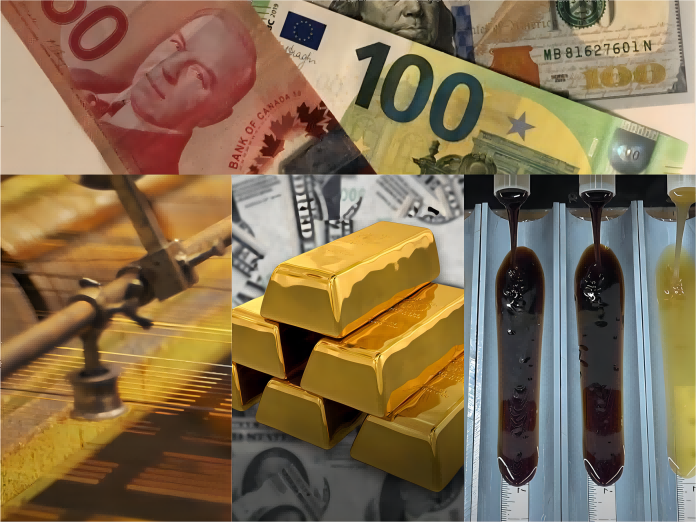
I. Oil prices gave back their risk premium, and sentiment shifted from risk aversion to probing.
Rumors of negotiations in the Strait of Hormuz have been the primary theme in global markets over the past few hours. Iran has reportedly proposed a conditional reopening of the Strait, coupled with the resumption of testing on Saudi Arabia's East-West pipeline and the anticipated resumption of shipments from Yanbu, indicating that the negative news on the supply side is weakening. The market is quick to react: crude oil prices have continued to decline, gradually erasing the previous geopolitical premium. It is worth noting that production at Libya's Sharara oil field has plummeted due to armed interference, suggesting that supply recovery is not without its challenges, and residual geopolitical risks still lurk. For traders, every dip in oil prices is a test of the strength of geopolitical easing.II. Easing inflation narrative puts downward pressure on US Treasuries and the US dollar.
The decline in oil prices has directly impacted interest rates and exchange rates. US Treasury yields fell slightly, and the dollar index softened somewhat, reflecting a easing of market concerns about inflationary pressures. The previous surge in yields, followed by a pullback, indicates that the logic of "falling oil prices and cooling inflation expectations" is dominating. However, the Federal Reserve's "higher and longer" interest rate path has not disappeared, and official speeches and employment and inventory data remain uncertain. Meanwhile, widening French debt premiums and rising CDS levels have brought the tail risks of European sovereign debt into focus. The fluctuations in interest rates are precisely the current central point of asset pricing.III. Gold prices are caught in a tug-of-war between bulls and bears, with safe-haven demand and interest rate logic clashing.
Precious metals prices rose initially today but then fell: gains in the morning supported by softening oil prices and hopes for US-Iran dialogue, were subsequently pushed back by expectations of "higher and longer" interest rates. Gold's current situation is a standoff between two forces—ease geopolitical tensions weakening safe-haven buying, and high interest rates raising holding costs. Strong Chinese gold import demand provides long-term support for gold prices. For gold, the direction is not unidirectional, but rather a period of fluctuation driven by macroeconomic sentiment.IV. The lingering effects of AI and the resonance of "deflationary trading" drive risky assets to seek anchors.
US stock futures were relatively strong, with the Nasdaq continuing its tech rally, and AI technology stocks once again becoming the focus. Falling oil prices eased inflationary pressures, creating space for risk assets, and the "deflationary trade" resonated with the tech narrative. However, European energy prices remain high, with diesel nearing records, and pressure on logistics and industrial costs has not dissipated. Whether the recovery in risk appetite can withstand the test of subsequent data and geopolitical fluctuations remains a question the market must answer.V. Emotional Theme and Risk Warning
In summary, the market over the past few hours has been an emotional rehearsal centered on "expectations of geopolitical easing," with fluctuations in oil prices, bonds, exchange rates, and precious metals almost entirely revolving around this main theme. Risks to be aware of include: uncertainty surrounding UN diplomatic progress, the recurring nature of supply recovery (as seen in the Libyan case), tail pressures on European sovereign debt, and the transmission of high diesel prices to inflation. The market's direction should be viewed through a discussion rather than betting on a single outcome.Trend Outlook
In the short term, if the Hormuz diplomatic efforts and supply recovery continue to materialize, oil prices may continue to fluctuate downwards, and easing inflationary pressures are expected to continue supporting US Treasuries and risk assets. However, expectations of "higher and longer" interest rates, high energy prices in Europe, and diesel shortages will still limit the possibility of interest rate cuts, and gold is likely to remain range-bound. In the medium to long term, geopolitical easing will not happen overnight, and supply recovery and disturbances such as those in Libya will coexist, making oil pricing more volatile. The direction of the US dollar and US Treasuries still depends on whether inflation can truly confirm a downward trend. Rather than chasing a single direction, it is better to observe the two verification clues: "the degree of geopolitical easing" and "the sustainability of the inflation decline."Further Reading
Q1: Why does the decline in oil prices affect US Treasury yields and the US dollar? Crude oil is a significant input to inflation. Lower oil prices lead the market to lower its inflation expectations, thereby betting on a slowdown in central bank tightening, which in turn causes US Treasury yields and the US dollar to decline. Q2: Why did gold initially rise and then fall? Gold prices initially rose, supported by easing geopolitical tensions and a retreat in safe-haven demand due to softening oil prices. However, expectations of higher and longer-term interest rates increased holding costs, putting pressure on buying and pulling gold prices back. Q3: What does the restart of the Saudi pipeline mean? The East-West pipeline bypasses the Strait of Hormuz to directly transport crude oil, reducing reliance on the Strait of Hormuz. This strengthens the signal of supply-side recovery and directly lowers the risk premium for oil prices. Q4: What chain reaction will high energy prices in Europe bring? High gas, electricity, and diesel prices directly push up industrial and logistics costs, potentially forcing more central banks to maintain a hawkish stance, putting downward pressure on Eurozone assets. Q5: How can the sincerity of geopolitical easing be verified? Pay attention to the actual progress of UN General Assembly diplomacy, shipping traffic data in the Straits, and whether the supply recovery is affected by disturbances such as those in Libya—these clues will determine whether the risk premium can continue to be given back.- Risk Warning and Disclaimer
- The market involves risk, and trading may not be suitable for all investors. This article is for reference only and does not constitute personal investment advice, nor does it take into account certain users’ specific investment objectives, financial situation, or other needs. Any investment decisions made based on this information are at your own risk.