The Federal Reserve signaled further interest rate hikes, putting pressure on gold prices below $4,400 ahead of October.
2026-09-23 00:36:13
 On Tuesday (September 22), spot gold was trading at $4,327.02 per ounce, down 0.38%. This followed the Federal Reserve's 25-basis-point rate hike and signaled further tightening of monetary policy, which boosted returns on cash and bonds, making it difficult for gold prices to break through the highs set in 2025.
 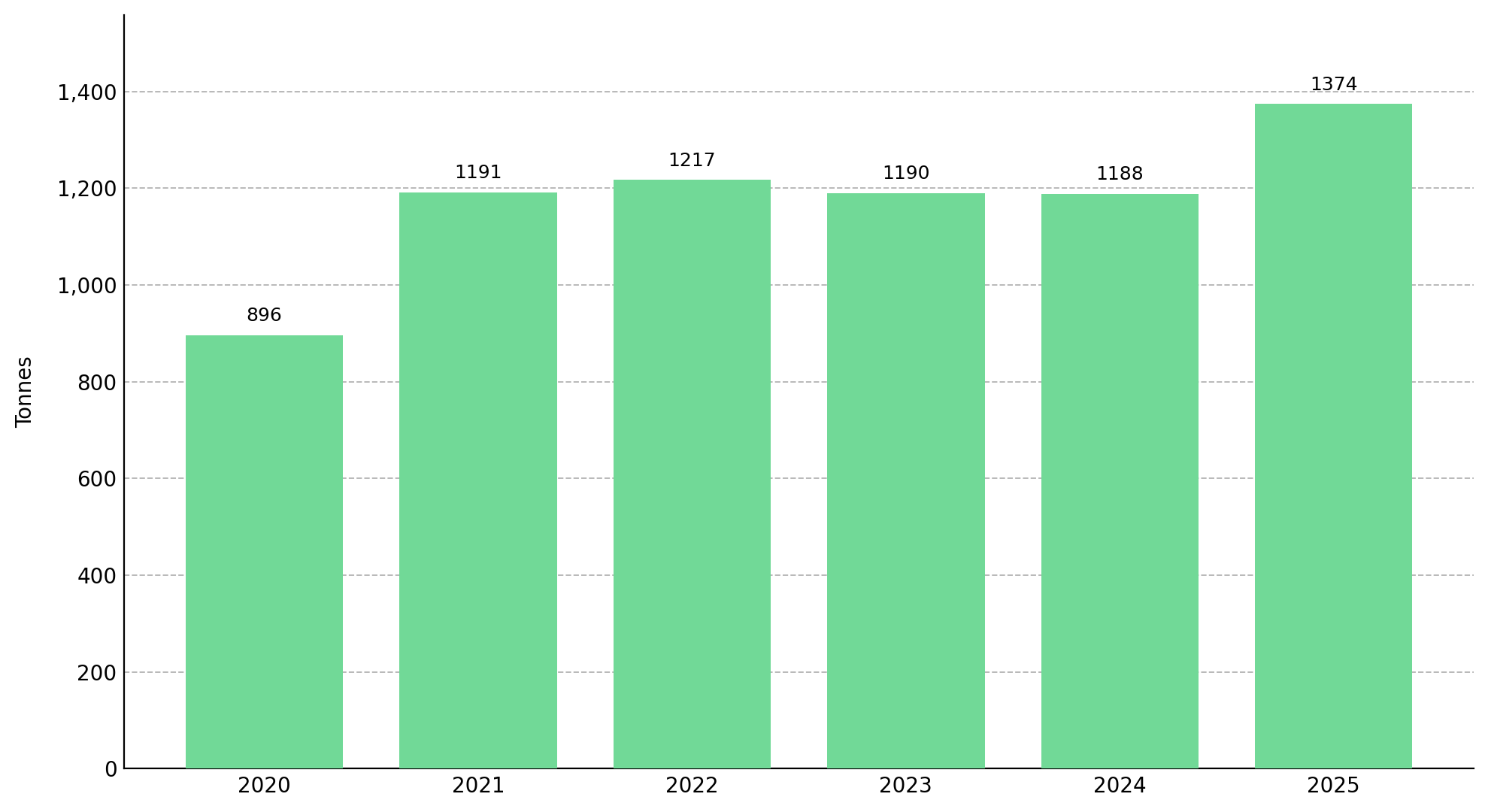 (Global annual demand for gold bars and coins. Data source: World Gold Council) Gold prices stabilized around $4344, indicating that safe-haven buying offset some downward pressure. If the Federal Reserve pauses interest rate hikes, the constraint of yields will weaken, potentially pushing gold prices further upward. Silver, platinum, and palladium all rose 0.3%, reflecting overall macroeconomic capital allocation rather than changes in the supply side of individual commodities. Rising oil prices coupled with hawkish statements from the Federal Reserve weakened safe-haven demand for gold. The Federal Reserve's 25 basis point rate hike increased the yield on cash and short-term debt, raising the opportunity cost of gold. St. Louis Fed President Alberto Moussalem stated that demand is strong, and the impact of commodity price shocks has extended beyond oil. The Fed needs to continue raising rates to support a tight policy before the next policy meeting. Iran indicated that the Strait of Hormuz could reopen if the US reduces military pressure. This news caused oil prices to fall, easing immediate market concerns about supply. Lower oil prices weaken the case for further interest rate hikes, which is beneficial for gold; however, if energy prices rise again, inflationary pressures will return, and the downward pressure from interest rates will continue. The Fed's hawkish stance presents gold with a crucial test in October . Chris Weston, head of research at Pepperstone, stated that if the Fed continues to tighten monetary policy, gold is likely to remain under pressure. If the Fed raises rates for the second consecutive time, cash and bond yields will rise further, and gold will continue to trade within the short-term range of $4300-$4400. Weaker inflation data or lower energy prices could prompt the Fed to pause rate hikes, easing yield pressures and potentially allowing gold prices to break through $4400. The FOMC policy statement on October 28th will reveal which interest rate path the Fed prefers. Uncertainty about the interest rate outlook increases the risk for gold bar and coin holders. Gold ETFs and physical gold bought around $4344 will face depreciation risks if real yields rise, as funds will flow to yield-generating assets; gold itself cannot generate returns and cannot offset losses from price declines. Mussalem's preference for raising interest rates as early as possible means that this risk will persist until October.
 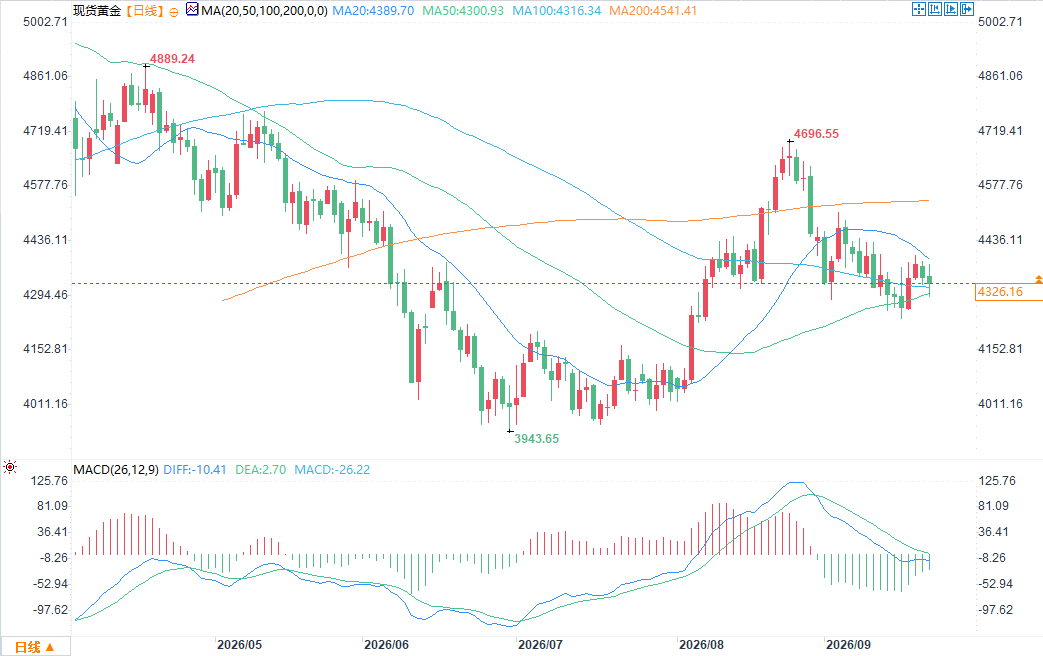 (Spot gold daily chart source: FX678) Given the uncertainty surrounding the Fed's next policy decision, controlling position size is more practical than predicting market timing. Appropriately reducing allocation ratios can control drawdown risk while reserving funds. If interest rate factors drive gold prices down, positions can be added on dips. Physical demand supports low-cost mining companies, while gold is under pressure from the interest rate environment. Global gold bar and coin purchases are expected to reach 1200 tons in 2025, a 12-year high. When rising interest rates suppress financial gold buying, physical demand forms the basis for supporting gold prices. If the Fed pauses rate hikes and gold prices rise above $4400, the profit margins of gold mining companies with effective cost control will expand; if rates rise again, it will benefit mining companies that maintain low costs, manageable debt, and secured project funding. The UK Safety Standards Institution (BSI) plans to launch an independent audit in the fourth quarter of 2026, at which time the "Gold Dealer Protection Standard" may boost investor confidence. The positive impact of demand will be transmitted to the valuation of mining companies through gold prices. Therefore, compared with the total scale of resources, the company's operating costs, the health of its balance sheet, and the development plans with secured funding are more critical.
- Risk Warning and Disclaimer
- The market involves risk, and trading may not be suitable for all investors. This article is for reference only and does not constitute personal investment advice, nor does it take into account certain users’ specific investment objectives, financial situation, or other needs. Any investment decisions made based on this information are at your own risk.