A December rate hike by the Bank of Japan is now widely expected; the real risk to the yen lies in the vote.
2026-10-21 07:34:22
On Wednesday (October 21) during the Asian session, the USD/JPY pair traded in a narrow range, currently hovering around 158.20. The latest survey forecast for a December rate hike by the Bank of Japan is providing new clues about the yen's medium-term direction. According to a survey by a prominent media outlet, most economists expect the Bank of Japan to raise its policy rate to 1.50% this quarter, with about 80% choosing December over October, maintaining the quarterly rate hike pace. More economists now expect rates to reach 2% or higher, while dissent within the committee could put pressure on the yen. This survey reinforces December as a likely window for the Bank of Japan's next move, which should limit the yen's sensitivity to the October 30 meeting but increase the importance of the December decision. A greater risk for the yen may lie in the vote itself: the yen is only about 4% higher than its 2026 lows, and if the government-nominated committee members repeat the dissent of September, it could be interpreted as political resistance to tightening and trigger new selling. 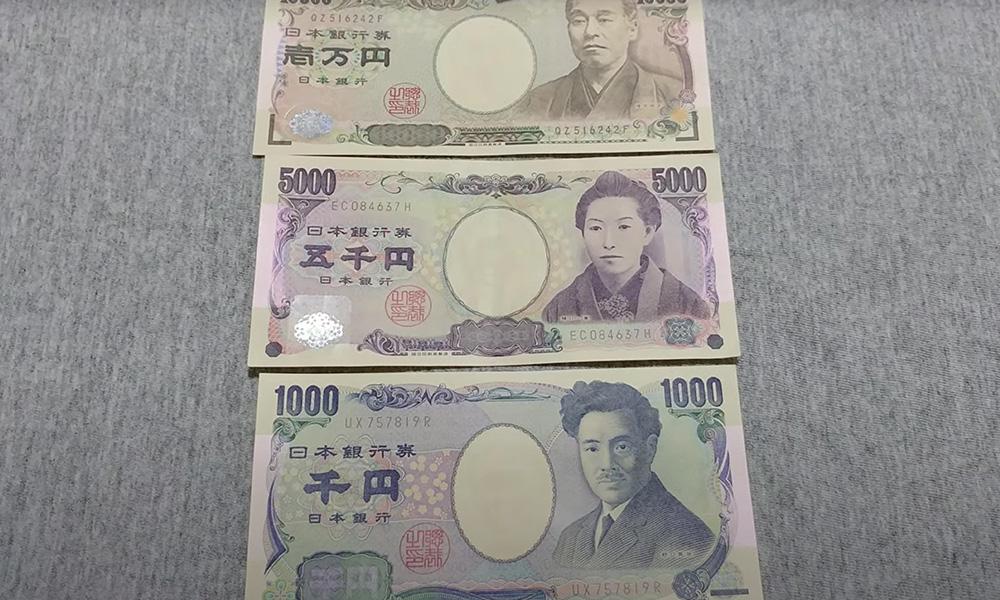
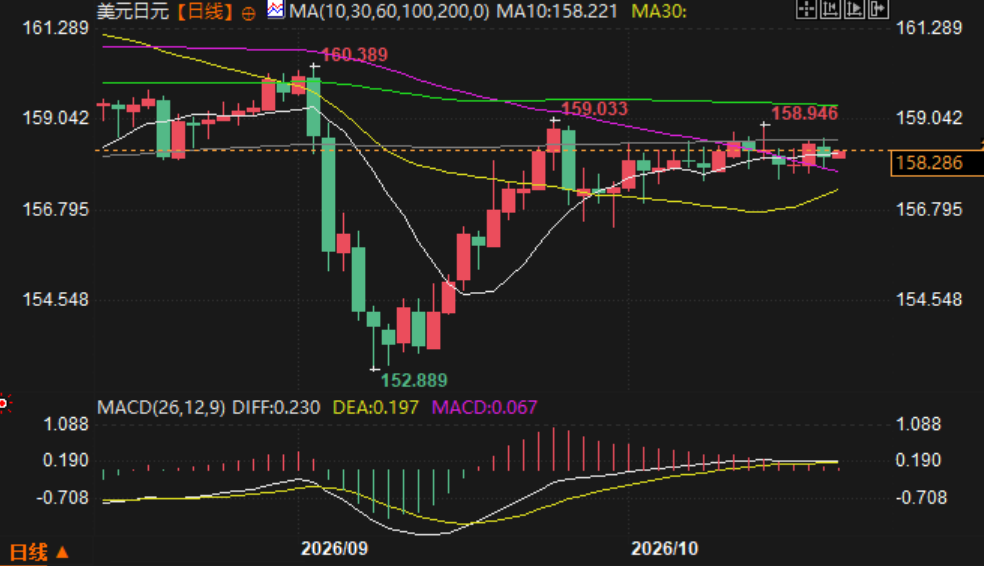 (USD/JPY daily chart, source: FX678) At 7:27 Beijing time, USD/JPY was trading at 158.28/29.
Key survey findings: 69% expect interest rates to rise to 1.50% this quarter, and 80% chose December.
In a survey conducted from October 13 to 19, 54 out of 78 economists, nearly 70%, predicted a rate hike to 1.50% this quarter, almost double the percentage in the September survey. Of those specifying a month, about 80% chose December, with only 2% expecting action from the Bank of Japan at its two-day meeting ending on October 30. The key takeaway from this survey is that December has become the most likely window for the Bank of Japan's next move. This expectation should limit the yen's sensitivity to the October 30 meeting, as the market has already priced in a very low probability of action in October, thus increasing the importance of the December decision.Interest rate hike background: Rising energy import costs and relatively stable yen
Surveys show that higher energy and import costs, exacerbated by a weaker yen and Middle East conflicts, are increasing inflationary pressures. The yen has faced a heavy sell-off for most of the year, prompting intervention from Japanese authorities and the US Treasury, and its recent relative stability supports the argument for a December rate hike. Last week, board member Junko Koeda stated that given the significant upside risks to inflation, the Bank of Japan should not become overly cautious about raising interest rates, which are currently at their highest level in 31 years. The essence of this context is that Japanese inflation is primarily driven by energy and import costs, and the relative stability of the yen provides the central bank with a window for raising rates. A further sharp depreciation of the yen could push up inflation through import costs and strengthen the case for a rate hike; if the yen remains stable, the central bank can proceed with policy more freely.Terminal interest rates are expected to rise: 51% are expected to reach 2% or higher.
Expectations for peak interest rates have shifted upward. 60% of respondents expect the policy rate to reach 1.75% by the end of June next year, while the proportion expecting it to reach 2.00% or higher rose from 40% in September to 51%. This change indicates that economists' expectations for the end of the Bank of Japan's tightening cycle are shifting upward, reflecting deepening concerns about the sustainability of inflation.Political risk: Dissent within the committee could weigh on the yen.
Politics remains a risk for the yen. In September, two board members nominated by Prime Minister Sanae Takaichi—who favor a more accommodative fiscal policy—voted against raising interest rates to 1.25%. Nearly three-quarters of economists say that further dissent at the next rate hike could weigh on the yen, which is currently only about 4% above its 2026 low of around 164. The crux of this risk is that if government-nominated board members again vote against a rate hike, the market could interpret this as political resistance to tightening, triggering a new round of yen selling.Fiscal and Global Context: Bond Issuance and Interest Rate Hikes by Major Central Banks
Regarding fiscal policy, nearly two-thirds of respondents expect the government to keep new debt issuance below 40 trillion yen (approximately $250 billion) in fiscal year 2027, following Sanae Takaichi's previous statement that she hoped to maintain issuance at that level. Furthermore, according to other surveys by prominent media outlets, the Federal Reserve and the European Central Bank are also expected to raise interest rates in December. Therefore, the Bank of Japan's next decision will be judged not only by the action itself but also by the voting split. This global context means that if major central banks tighten in unison, the Bank of Japan's rate hike will be placed within a global tightening wave, which provides some support for the yen. However, the voting split could weaken this support.Summarize
A survey shows that 69% of economists expect the Bank of Japan (BOJ) to raise interest rates to 1.50% this quarter, with about 80% choosing December, maintaining the quarterly rate hike pace. December has become the most likely window of action, which should limit the yen's sensitivity to the October 30 meeting but increases the importance of the December decision. Rising energy and import costs are the main drivers of rate hikes, and the relative stability of the yen provides the central bank with room to maneuver. Expectations for the final interest rate have shifted upward, with 51% predicting it will reach 2% or higher. The political risk lies in dissent within the committee—if government-nominated members vote against a rate hike again, it could be interpreted as political resistance and trigger a yen sell-off. On the fiscal front, nearly two-thirds expect new bond issuance to remain below 40 trillion yen. Since the Federal Reserve and the European Central Bank also expect rate hikes in December, the BOJ's decision will be judged not only by the action itself but also by the voting dissent. (USD/JPY daily chart, source: FX678) At 7:27 Beijing time, USD/JPY was trading at 158.28/29.
- Risk Warning and Disclaimer
- The market involves risk, and trading may not be suitable for all investors. This article is for reference only and does not constitute personal investment advice, nor does it take into account certain users’ specific investment objectives, financial situation, or other needs. Any investment decisions made based on this information are at your own risk.