With the US midterm elections tomorrow, is Trump's control of Congress slipping away?
2026-11-02 14:48:27
US President Trump may face an unpleasant moment of sobering realization after tomorrow. Alternatively, he may have already realized his current predicament, but given his style, he may not be willing to accept this reality. In any case, he will have to confront the possibility that his control over Congress may be slipping away. As the US heads to the polls tomorrow, control of both the House and Senate remains uncertain. Based on the latest polls, Republicans have ample reason to be nervous. National popular vote polls show Democrats maintaining a considerable lead over Republicans, with dissatisfaction with the cost of living and dissatisfaction with Trump's administration weighing on Republican sentiment. That said, national polls do not necessarily translate cleanly into congressional seats. 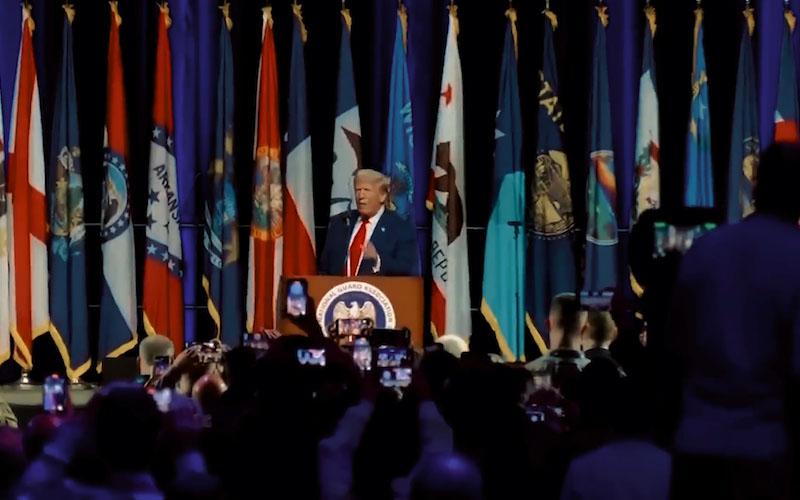
Seat Calculation: Democrats need a net gain of three House seats and four Senate seats
First, let's look at the background. Democrats need a net gain of three seats in the House and four seats in the Senate to regain control of both houses from Republicans. If Republicans lose the House, Trump's legislative agenda may essentially hit a wall; for Democrats, this will open the door to more investigations and tougher negotiations on government spending, taxes, and appropriations. If Democrats win both houses, constraints on Trump's judicial appointments and other nominees requiring Senate confirmation will tighten further.The checks and balances remain: lengthy debates and the president's veto power will not disappear with the election results.
However, it's too early to draw conclusions. Even with a blue wave, there are still one or two hurdles. The Senate's lengthy debate rules typically require 60 votes to conclude debate on a majority of legislation, even with a simple Democratic majority. The budget reconciliation process might offer some exceptions, but it doesn't guarantee a green light on all issues. Furthermore, Trump still retains presidential veto power, which requires a two-thirds majority in both houses to override a veto. In other words, winning Congress doesn't automatically mean everything will go smoothly.Election Night Watchlist: Five Clues
First, the comparison between House results and expectations. Did competitive Republican districts change hands in line with the polls, or did national polling advantages fail to translate into seats? Pay close attention to Pennsylvania, New York, California, Iowa, and Wisconsin—even a few upsets could reshape the balance of power. Second, Senate arithmetic. Republican-held seats in Maine, North Carolina, Ohio, and Texas will be key battlegrounds, with Alaska, Iowa, and Kansas also worth watching. Democrats also need to retain seats in Michigan, among others. Third, market forecasting and repricing risks. How have the odds of controlling both houses changed, and have there been substantial shifts from pre-election levels? This will reflect overall sentiment and whether markets react as a certain outcome materializes. Fourth, the reaction of the dollar and Treasury yields. Closely monitor the dollar and bond markets, as well as Federal Reserve expectations, as traders begin to weigh the potential impact on fiscal policy, inflation, and growth. It's worth noting that confirming another Federal Reserve governor would be far more complex if Trump loses control of the Senate. Fifth, immediate funding and policy signals. Pay close attention to any wording from congressional leaders regarding the December 11 funding deadline, future tax legislation, and the debt ceiling. The current Congress will still be responsible for the upcoming funding deadline, but the election results could influence how the two parties approach these negotiations—especially given the potential shift in the power balance in January.in conclusion
Polls show Democrats leading in the general vote, posing a real challenge to Republican control of both houses of Congress; however, national polls do not necessarily translate into seats, and even if a blue wave materializes, lengthy debate rules and the president's veto power will still provide checks and balances. For markets, the key lies in how the election results will alter policy expectations regarding fiscal policy, inflation, and growth, as well as the repricing of the dollar, Treasury yields, and the Federal Reserve's personnel confirmation path. Regardless of who wins tomorrow, Washington's fiscal problems will not disappear.- Risk Warning and Disclaimer
- The market involves risk, and trading may not be suitable for all investors. This article is for reference only and does not constitute personal investment advice, nor does it take into account certain users’ specific investment objectives, financial situation, or other needs. Any investment decisions made based on this information are at your own risk.