What signal does the slightly lower-than-expected US PPI in October send?
2026-11-13 22:00:29
On Friday, November 13th, the U.S. Bureau of Labor Statistics released the October Producer Price Index (PPI). Final demand rose 0.3% month-over-month, below the market expectation of 0.4%; year-over-year, it rose 6.5%, slightly below the expected 6.6%, compared to previous values of 1.3% and 6.3%, respectively. Excluding food and energy, the month-over-month and year-over-year figures were flat at 0.3% and 5.0%, respectively. Following the data release, buying emerged in the bond market, and the dollar index retreated from near its intraday high. Previously, the market had priced in a December rate hike by the Federal Reserve of approximately 28.5 basis points, and a cumulative rate hike of approximately 86 basis points over the next year. Chicago Fed President Goolsby has recently repeatedly emphasized that inflation is at a borderline warning level and stated that the current period is one of instability. 
Data Structures and Item Performance
In final demand, commodity prices rose 0.5% month-on-month, while service prices rose 0.2%. For commodities, food prices rose 1.3% month-on-month, energy prices fell 0.1%, and core commodities rose 0.5%. For services, transportation and warehousing prices rose 2.0%, trade services prices fell 0.2%, and other services prices rose 0.2%. Construction prices rose 1.8%. In intermediate demand, processed goods rose 0.4%, unprocessed goods prices fell 3.1%, and services prices rose 0.6%. By production process, intermediate demand rose 0.6% in the first stage, fell 0.2% in the second stage, rose 0.3% in the third stage, and rose 0.4% in the fourth stage. Excluding food, energy, and trade, final demand rose 4.9% year-on-year and 0.5% month-on-month. The data revision window is as long as four months, and significant fluctuations in the early stages may change the trend assessment. Services account for approximately 68% of final demand, and commodities approximately 29%, therefore this indicator covers a much broader scope than simply factory gate prices.The link between pipeline pressure and core personal consumption expenditure
The Producer Price Index (PPI), as a pipeline indicator, tracks price changes before they reach consumers. Among its components, portfolio management fees, air passenger services, and healthcare and hospital services are directly included in the core personal consumption expenditures (PCE) price index. Economists typically combine the Consumer Price Index (CPI) with the PPI to estimate the trend of core PCE in advance. Unexpected changes in these key components, even if the overall reading appears flat, can influence policy pricing. The current continued rise in service prices, relatively diverging from goods prices, indicates that pipeline pressures are more concentrated in the service sector. The intermediate demand index further reveals differences in cost transmission between the processing and unprocessed stages, with intermediate service demand still showing positive growth. These structural characteristics provide a reference basis for the subsequent formal release of core PCE figures, rather than simply relying on overall final demand figures.Recent statements by Federal Reserve officials and policy background
Chicago Federal Reserve President John Goolsby has recently stated on multiple occasions that inflation is at a critical juncture and is currently in a period of instability. He emphasized the significant stickiness of prices for services and healthcare, which cannot be entirely explained by tariffs or energy factors. Goolsby stated that he hoped to see a substantial decline in the inflation rate as tariff transmission ends and oil prices fall, but this has not materialized as expected. He further pointed out that inflation is entering a range that central banks have historically struggled to manage, and it is necessary to prevent further deterioration. The market had already fully priced in the possibility of a December rate hike, including a small probability of a larger adjustment. The producer price index (PPI) was slightly lower than expected, providing temporary support for bond buying, but the year-on-year level remains high, and core indicators have not shown a significant decline, echoing officials' concerns about sticky inflation. The focus of policy discussions remains on how to balance price stability with other objectives.Real-time market response and cross-asset linkage
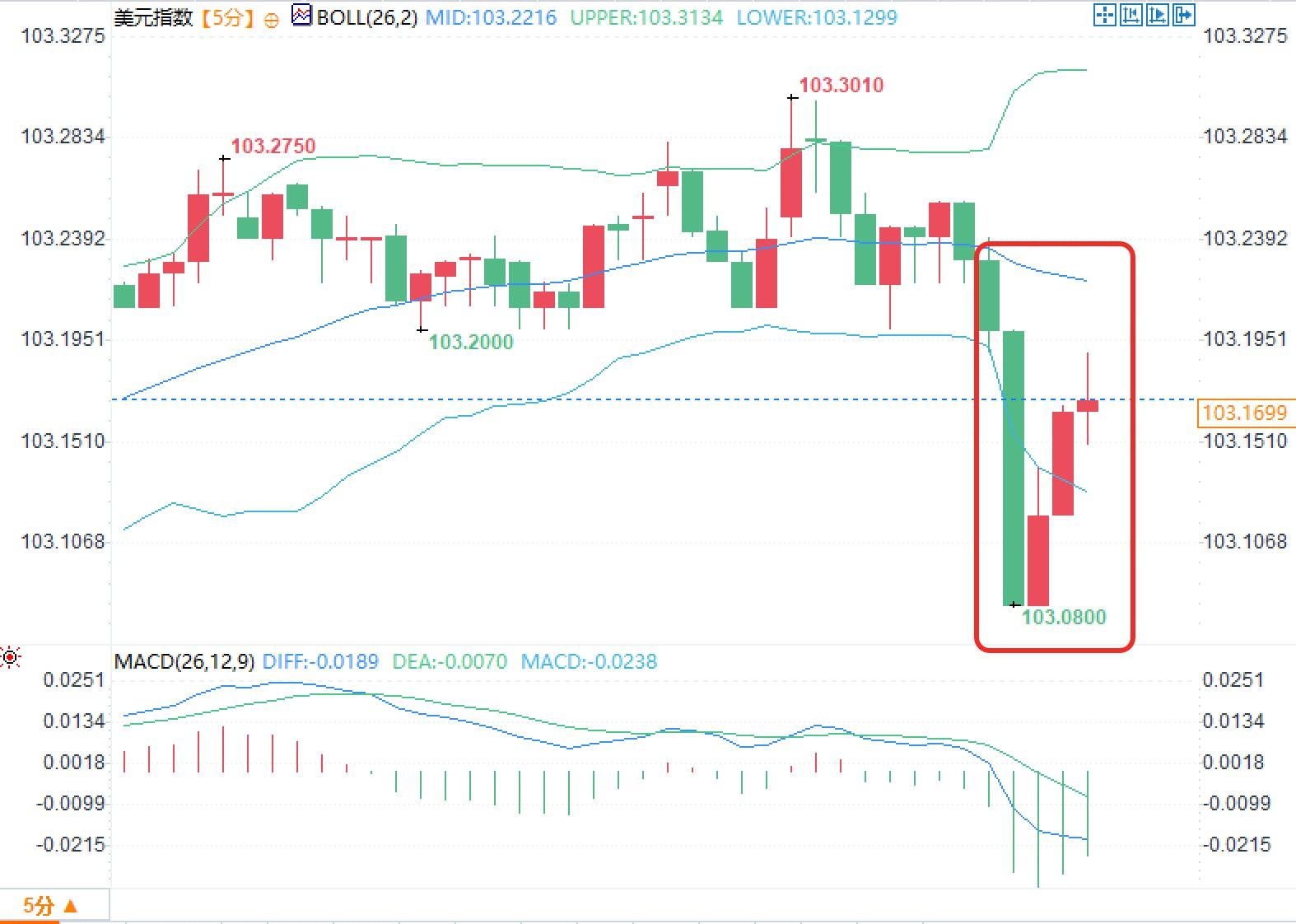
Following the data release, buying emerged in the US bond market, causing yields to decline and the dollar index to retreat from its intraday high of around 103.30. Previously, the dollar index had been rising steadily this week, nearing its year-to-date high. US Treasury yields were already relatively high before the data release, with the 10-year yield fluctuating around 5%. The slightly lower-than-expected reading alleviated some concerns about further upward movement, but the year-on-year level of 6.5% and the core yield remaining flat at 5.0% limited the extent of the decline. Across asset classes, the foreign exchange market's adjustment towards the dollar was relatively mild, while the bond market reacted more directly. The continued positive growth in intermediate demand and services sub-sectors led the market to focus more on whether pipeline pressures had truly eased, rather than simply on marginal changes in month-on-month figures. Overall, the data provided limited signs of easing, but high year-on-year growth and service stickiness still constitute background constraints.Frequently Asked Questions
Question 1: October's final demand was slightly lower than expected month-on-month. Does this mean that upstream price pressure has eased significantly? Answer: The month-on-month increase of 0.3% was lower than the expected 0.4%, but the year-on-year increase was still 6.5%. Core indicators remained flat, the service sub-item continued to rise, and services and processed goods maintained positive growth in intermediate demand. Pipeline pressure has not significantly subsided. Question 2: How will the Producer Price Index (PPI) provide a reference for subsequent core personal consumption expenditure? Answer: Sub-items such as portfolio management fees, air passenger transport, and physician and hospital services are directly included in core personal consumption expenditure. Combined with the Consumer Price Index (CPI), trends can be estimated in advance. This data provides a structural reference for the official release. Question 3: How does Goolsby's recent statement on inflation relate to this data? Answer: He emphasized the stickiness of services and the necessity of preventing further deterioration. This data, while slightly lower month-on-month but high year-on-year and flat with core indicators, has not significantly changed his judgment that inflation is in an unstable state.- Risk Warning and Disclaimer
- The market involves risk, and trading may not be suitable for all investors. This article is for reference only and does not constitute personal investment advice, nor does it take into account certain users’ specific investment objectives, financial situation, or other needs. Any investment decisions made based on this information are at your own risk.