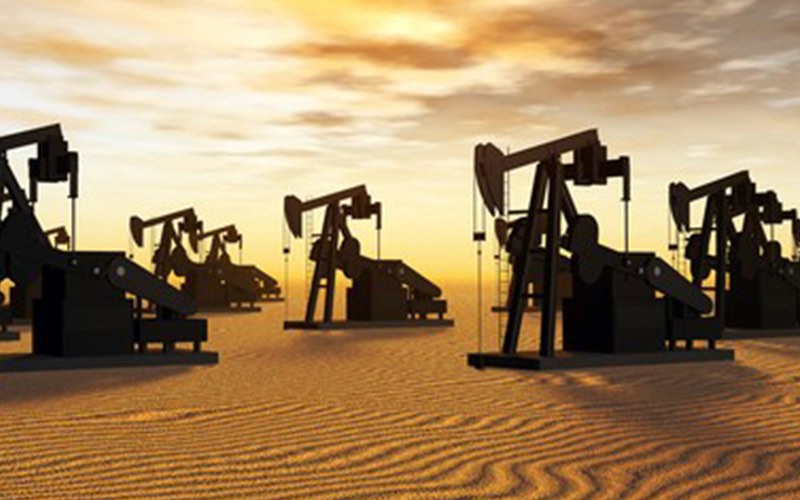
With the Strait of Hormuz tightening its grip, US oil companies have made a staggering $130 billion: Who is enjoying the prosperity, and who is footing the bill?
2026-11-17 11:22:30
In late February 2026, the United States and Israel launched attacks on Iran, resulting in severe and sustained restrictions on the Strait of Hormuz, effectively severing it. Tehran responded by restricting this crucial waterway connecting the Persian Gulf and the Arabian Sea. Approximately one-fifth of the world's oil and liquefied natural gas flow through this waterway, with about 20 million barrels of crude oil and petroleum products passing through daily, representing an annual trade volume of nearly $600 billion. With the waterway tightened, energy supply routes were forced to change, leading to a chain reaction of shifts in prices, profits, and cost-sharing. Major U.S. oil companies filled the supply gap and reaped huge profits, while American consumers faced higher gasoline and diesel bills. This conflict over a waterway ultimately evolved into a global discussion about energy power, corporate profits, and costs for ordinary households. 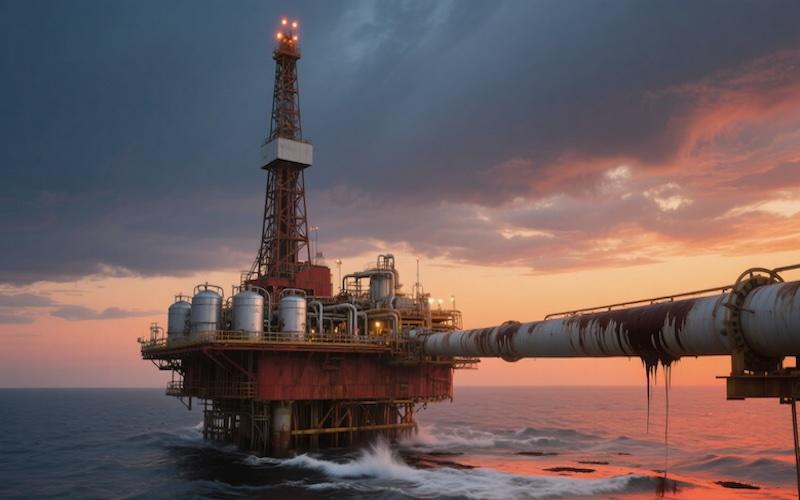
Waterways suddenly become congested: Global energy arteries blocked
The importance of the Strait of Hormuz is not abstract. The U.S. Energy Information Administration estimates that approximately 20 million barrels of crude oil and petroleum products will pass through the waterway daily in 2025, equivalent to nearly $600 billion in energy trade annually. Before trade restrictions, about one-fifth of the world's oil and liquefied natural gas relied on this passage. Following the restrictions, several countries were forced to halt energy exports, severely impacting some economies in the Persian Gulf region. More importantly, the uncertainty surrounding when and how the Strait of Hormuz will reopen, and the future of energy trade, has rapidly driven many countries to seek new fuel suppliers. This has exposed the vulnerability of global energy trade and highlighted the importance of diversifying supply sources and expanding production to renewable energy alternatives.Supply diversion: US oil companies fill the gap
With increased shipping risks, many countries were forced to turn to alternative suppliers, creating an opportunity for major U.S. oil companies to fill the gap. Since the outbreak of the Iran-Iraq War in late February, several U.S. oil and gas companies have benefited from increased trade and subsequent restrictions on international energy trade. This benefit stemmed not only from rising oil prices but also from market share shifts resulting from changes in supply routes. In recent years, the ongoing conflict has disrupted several refineries in the Middle East and Russia, threatening global refining capacity, which U.S. oil companies have been able to fill. U.S. companies can continue to operate safely and reliably, while some Middle Eastern refineries have had to operate under hazardous conditions. U.S. oil and gas companies are also largely unaffected by high transportation costs, as most of the oil they process is transported via pipelines. Geopolitical analyst and editor of the Gulf Insights newsletter, Jeffrey Miller, explains that the Iran-Iraq War created a risk premium that U.S. domestic operators are structurally well-suited to monetize, while Gulf producers, suffering from both rising costs and severe risk, coupled with physical damage, have found it more difficult to profit from higher prices.Profit Surge: Where Did the $130 Billion Come From?
According to a conservative estimate by The New York Times, U.S. oil companies have earned more than $130 billion in profits this year due to rising fuel prices and increased demand for certain products. This assessment is based on the performance of more than 50 major U.S. oil and gas companies, primarily producers and refiners, between April and September. In comparison, these companies earned less than $47 billion in total profits during the same period last year. Profit growth was uneven across companies, with U.S. refining companies performing particularly well. This was due to the threat to global refining capacity following the disruption of refineries in the Middle East and Russia, which provided U.S. refiners with an opportunity to fill the gap. The safe and secure operating environment for U.S. companies, the cost advantages of pipeline transportation, and rising demand for alternative supplies all amplified this profit expansion.Financial Reports from Major Companies: ExxonMobil and Chevron Lead the Way
ExxonMobil and Chevron, the two largest oil and gas companies in the United States, have profited the most from the conflict, reporting record third-quarter earnings in October. ExxonMobil's third-quarter profit more than doubled, while Chevron's nearly tripled. However, profits so far this year are still lower than in 2022, when profits surged directly from the Russia-Ukraine conflict and subsequent sanctions on various Russian energy products. In 2022, oil prices averaged $100 per barrel, while prices were around $90 per barrel between April and September this year. In other words, while current profits are impressive, they have not fully replicated the extreme energy price environment of 2022. The United States is not the only country whose oil and gas profits have increased due to the ongoing conflict in the Middle East. Shell reported a third-quarter profit of $12.06 billion, roughly double its profit in the same period last year; French energy giant Total's third-quarter profit doubled compared to 2025, reaching $8.26 billion.Cost Shifting: Consumer Bills and Political Debates
While U.S. oil and gas companies continue to profit, international fuel supply constraints have driven up prices, forcing American consumers to pay higher energy and gasoline costs in recent months. Estimates show that since the start of the war with Iran, U.S. consumers have spent an additional $147 billion on gasoline and diesel, more than $1,100 per household. The discrepancy between profits and bills has sparked a political debate about who benefits from the war and who pays the price. The profit expansion of U.S. oil companies stems from increased demand for alternative supplies and cost buffers provided by operational security and pipeline infrastructure; consumers, on the other hand, bear the spillover costs of the conflict through higher gasoline and diesel expenditures. This asymmetrical cost-sharing has transformed the energy boom from merely a number on corporate reports into a tangible burden on ordinary households.Summary: The fragility behind prosperity and the implications of diversification
This conflict surrounding the Strait of Hormuz has spread through a crucial waterway to global energy trade, altering corporate profits, national supply strategies, and consumer burdens. Following the outbreak of the Iran-Iraq War, passage through the Strait of Hormuz was restricted, forcing many countries to seek alternative suppliers. Major US oil companies filled the gap and benefited from increased trade and higher prices. More than 50 major US oil and gas companies earned over $130 billion in profits between April and September, far exceeding the less than $47 billion earned in the same period last year; ExxonMobil and Chevron reported strong earnings, while Shell and Total in Europe also reported significant growth. Meanwhile, US consumers spent an additional $147 billion on gasoline and diesel during the same period, more than $1,100 per household. Recent trade restrictions have exposed the vulnerability of global energy trade, and diversifying energy exports and expanding production to renewable energy alternatives are important directions for mitigating such risks. This $130 billion oil boom is both a result of corporate structural advantages and the monetization of risk premiums, and a concentrated manifestation of the vulnerability of the global energy system.Frequently Asked Questions
Q: Why does the Strait of Hormuz affect the global energy market? A: It connects the Persian Gulf and the Arabian Sea, and before restrictions were imposed, it handled about one-fifth of the world's oil and liquefied natural gas transport. By 2025, approximately 20 million barrels of crude oil and petroleum products will pass through daily, with an annual trade volume of nearly $600 billion. If passage is restricted, countries reliant on Persian Gulf energy will have to turn to alternative suppliers, thus altering global trade flows. Q: How is the $130 billion profit of US oil companies estimated? A: According to a conservative estimate by The New York Times, more than 50 major US oil and gas companies earned over $130 billion from April to September, primarily including producers and refiners. Rising fuel prices and increased demand for some products jointly boosted profits, while the total profits of these companies in the same period last year were less than $47 billion. Q: Why do US oil companies benefit more than Gulf producers? A: War creates a risk premium, which US domestic operators are structurally better suited to monetize. American companies can operate safely and reliably, as most of their processed oil is transported via pipelines, making them less affected by high transportation costs. Gulf producers, however, suffer from rising costs, severe risks, and physical damage, thus reducing their ability to profit from high prices. Q: Who bears the cost of this oil boom? A: International fuel supply restrictions have driven up prices, forcing American consumers to pay higher energy and gasoline costs. It is estimated that since the start of the Iran-Iraq War, American consumers have spent an additional $147 billion on gasoline and diesel, more than $1,100 per household. This has sparked a political debate about who profits from the war and who pays for it. Q: What implications does this have for energy trade? A: Recent restrictions have exposed the fragility of global energy trade and highlighted the importance of diversification. Diversification includes both diversifying energy export sources and supply channels, and expanding production beyond fossil fuels to include renewable energy alternatives, reducing dependence on a single key waterway and a single supply system. At 11:20 Beijing time, US crude oil futures for December delivery were trading at $85.06 per barrel.- Risk Warning and Disclaimer
- The market involves risk, and trading may not be suitable for all investors. This article is for reference only and does not constitute personal investment advice, nor does it take into account certain users’ specific investment objectives, financial situation, or other needs. Any investment decisions made based on this information are at your own risk.