The US midterm elections may bring a trial by public opinion, leaving the Republican Party with only one year to save itself.
2025-12-18 17:49:39
In the 2026 U.S. midterm elections, all 435 seats in the House of Representatives and about one-third (33-34) of the Senate seats will be up for re-election, while 36-37 states will elect new governors. If Trump loses control of Congress, his policy agenda will face significant difficulties and may even face investigations or impeachment proceedings.
From New York City to Virginia, the Democratic Party's campaign offensive centered on "affordability" swept across many places, exposing the Republican Party's weakness in governing on economic and livelihood issues, and forcing the party to urgently adjust its strategy to regain the trust of voters.
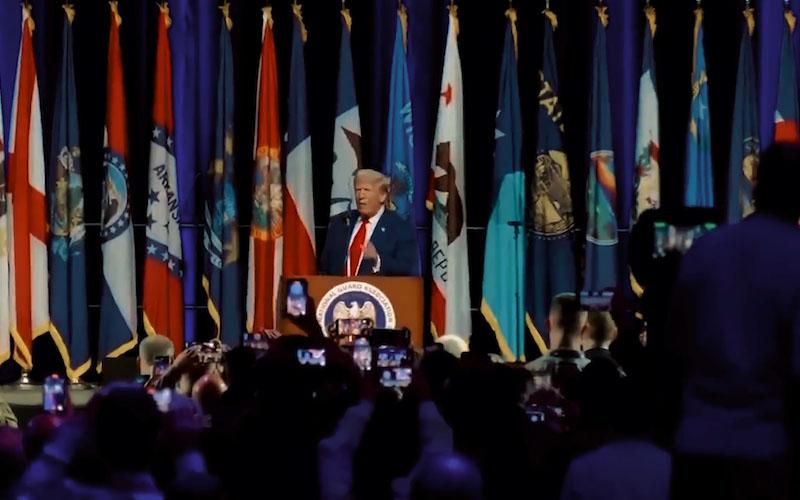
The Republican Party has been hit by a "blue shockwave" in recent elections: New York City voters defeated former Governor Andrew Cuomo and sent socialist Zoran Mandani to City Hall; in the Virginia gubernatorial election, Democrat Abigail Spanberg defeated Republican opponent Weinsom Earl-Sears by a large margin; and former New Jersey Democratic Representative Mickey Cheryl also won easily.
Even in traditionally safe states like Tennessee, the Republican lead has narrowed significantly.
Exit polls point directly to the core issues: in Virginia, 49% of voters listed the economy as their top priority, with nearly two-thirds of them choosing the Democratic Party; in New Jersey, 32% of voters focused on the economy, with an even higher percentage supporting the Democratic Party.
In New York City, 56% of voters identified the cost of living as the most pressing issue, a stark contrast to a year ago when Republicans controlled the discourse on economic issues. A University of Chicago poll conducted for the Associated Press showed that only 31% of Americans approve of Trump's economic policies.
"This is a deadly warning before the midterm elections," former Senate Majority Leader Trent Lott told The Washington Post. He said the midterm election results will determine whether Trump will face Democratic-led investigations and agenda obstruction in his final two years. "The risk of losing the House of Representatives is already very prominent," he said, adding that the partisan redistricting proposal recently passed in California has only exacerbated the Republican Party's woes.
When Trump regained the White House in 2024, he garnered support with economic promises such as "halving energy costs within 18 months," "cutting the cost of new homes in half," and "gasoline below $2 per gallon."
However, in the nearly 10 months since taking office, the data presents a stark contrast: residential electricity bills rose 5.8% year-on-year in August, the median home price in the third quarter hit a record high, the average gasoline price of $3.08 was only slightly lower than the same period last year, food expenditures and airfares rose 2.7% and 3.2% respectively, and credit card interest rate restrictions have not yet been implemented.
Experts point out that the Trump administration's protectionist tariffs have driven up import costs, and coupled with the surge in electricity demand in the field of artificial intelligence, this has directly exacerbated the burden on people's livelihoods.
The president's focus on foreign affairs, such as the Ukraine peace agreement and the situation in Venezuela, has drawn criticism from within the "Make America Great Again" movement, who accuse him of neglecting domestic livelihood issues, a key factor in the midterm elections.
Democrats seized on this loophole. House Minority Leader Hakim Jeffries bluntly stated that voters "strongly rejected Trump" because his "promises to cut costs have led to soaring prices."
Even more alarming is that former House Speaker Newt Gingrich found that Democratic winners like Mandani used the affordability crisis argument of "too high cost of living and unaffordable wages" to directly address voters' pain points.
Faced with the crisis, the Republican Party has launched a multi-pronged response. Trump has shifted his governing focus, not only chanting "Make America Affordable Again" at the Miami Business Forum, but also announcing that he will deliver a prime-time national address, highlighting achievements such as "falling inflation" and "growth in real wages," and outlining his policy framework for 2026.
His team has increased the density of his domestic schedule, and after campaigning in Pennsylvania last week, he will travel to North Carolina on Friday for a rally in an attempt to restore voter trust.
Party leaders have proposed specific solutions to the deadlock. Lott urged an immediate agreement with Democrats to end the 36-day government shutdown that has already left 2 million federal employees without pay, in order to avoid further loss of public support before the midterm elections.
Gingrich suggests pushing for healthcare cost transparency reforms—leveraging the sector's 18% weighting in the U.S. economy to reduce spending by 4% through price competition, thereby responding to Democratic demands for subsidies and breaking the funding deadlock.
Strategically, Gingrich emphasized "consistency in rhetoric," urging Republicans to refrain from discussing anything other than the economy and to emulate Mandani's approach of "focusing on affordability and the housing crisis." He also pinned his hopes on the economic cycle: "If Trump's policies to attract foreign investment and incentivize manufacturing take effect next summer, it could repeat the economic recovery scenario of the Reagan era."
The balance of the midterm elections is also being disrupted by external factors. Tech tycoon Elon Musk's resumption of political donations to the Republican Party marks his return to the Republican camp after a brief stint with the "American Party," injecting a significant boost into his midterm election funding. This could be a crucial turning point in the pre-election campaign.
The battle between the two parties over redistricting has intensified: Republicans are trying to gain five House seats in Texas and Ohio through redistricting, while Democrats are retaliating with new California rules. This "rules war" may directly affect who controls the House of Representatives.
The Trump administration's announcement on Tuesday of a blockade of restricted Venezuelan oil tankers, while seemingly a diplomatic move, actually conceals economic considerations—an attempt to control oil resources to lower energy prices and create economic benefits for the midterm elections.
However, if this risky move triggers fluctuations in global oil prices, it could exacerbate voter dissatisfaction and become a new risk to the government.
"This is a key turning point for Trumpism."
Gingrich's assessment hits the nail on the head: whether the Republican Party can retain its congressional seats in the midterm elections depends on whether it can translate its "affordability promises" into tangible realities for voters. "Winning the debate on economic issues is the first step to winning the election."
As the countdown accelerates, this struggle over people's livelihood and trust has entered a heated phase.
From New York City to Virginia, the Democratic Party's campaign offensive centered on "affordability" swept across many places, exposing the Republican Party's weakness in governing on economic and livelihood issues, and forcing the party to urgently adjust its strategy to regain the trust of voters.
The crushing election defeat sends a clear warning: economic anxiety dominates the election.
The Republican Party has been hit by a "blue shockwave" in recent elections: New York City voters defeated former Governor Andrew Cuomo and sent socialist Zoran Mandani to City Hall; in the Virginia gubernatorial election, Democrat Abigail Spanberg defeated Republican opponent Weinsom Earl-Sears by a large margin; and former New Jersey Democratic Representative Mickey Cheryl also won easily.
Even in traditionally safe states like Tennessee, the Republican lead has narrowed significantly.
Exit polls point directly to the core issues: in Virginia, 49% of voters listed the economy as their top priority, with nearly two-thirds of them choosing the Democratic Party; in New Jersey, 32% of voters focused on the economy, with an even higher percentage supporting the Democratic Party.
In New York City, 56% of voters identified the cost of living as the most pressing issue, a stark contrast to a year ago when Republicans controlled the discourse on economic issues. A University of Chicago poll conducted for the Associated Press showed that only 31% of Americans approve of Trump's economic policies.
"This is a deadly warning before the midterm elections," former Senate Majority Leader Trent Lott told The Washington Post. He said the midterm election results will determine whether Trump will face Democratic-led investigations and agenda obstruction in his final two years. "The risk of losing the House of Representatives is already very prominent," he said, adding that the partisan redistricting proposal recently passed in California has only exacerbated the Republican Party's woes.
The gap between promises and reality: Economic policies become a double-edged sword.
When Trump regained the White House in 2024, he garnered support with economic promises such as "halving energy costs within 18 months," "cutting the cost of new homes in half," and "gasoline below $2 per gallon."
However, in the nearly 10 months since taking office, the data presents a stark contrast: residential electricity bills rose 5.8% year-on-year in August, the median home price in the third quarter hit a record high, the average gasoline price of $3.08 was only slightly lower than the same period last year, food expenditures and airfares rose 2.7% and 3.2% respectively, and credit card interest rate restrictions have not yet been implemented.
Experts point out that the Trump administration's protectionist tariffs have driven up import costs, and coupled with the surge in electricity demand in the field of artificial intelligence, this has directly exacerbated the burden on people's livelihoods.
The president's focus on foreign affairs, such as the Ukraine peace agreement and the situation in Venezuela, has drawn criticism from within the "Make America Great Again" movement, who accuse him of neglecting domestic livelihood issues, a key factor in the midterm elections.
Democrats seized on this loophole. House Minority Leader Hakim Jeffries bluntly stated that voters "strongly rejected Trump" because his "promises to cut costs have led to soaring prices."
Even more alarming is that former House Speaker Newt Gingrich found that Democratic winners like Mandani used the affordability crisis argument of "too high cost of living and unaffordable wages" to directly address voters' pain points.
Republican Party Makes Emergency Shift: Focusing on People's Livelihoods and Strategic Restructuring
Faced with the crisis, the Republican Party has launched a multi-pronged response. Trump has shifted his governing focus, not only chanting "Make America Affordable Again" at the Miami Business Forum, but also announcing that he will deliver a prime-time national address, highlighting achievements such as "falling inflation" and "growth in real wages," and outlining his policy framework for 2026.
His team has increased the density of his domestic schedule, and after campaigning in Pennsylvania last week, he will travel to North Carolina on Friday for a rally in an attempt to restore voter trust.
Party leaders have proposed specific solutions to the deadlock. Lott urged an immediate agreement with Democrats to end the 36-day government shutdown that has already left 2 million federal employees without pay, in order to avoid further loss of public support before the midterm elections.
Gingrich suggests pushing for healthcare cost transparency reforms—leveraging the sector's 18% weighting in the U.S. economy to reduce spending by 4% through price competition, thereby responding to Democratic demands for subsidies and breaking the funding deadlock.
Strategically, Gingrich emphasized "consistency in rhetoric," urging Republicans to refrain from discussing anything other than the economy and to emulate Mandani's approach of "focusing on affordability and the housing crisis." He also pinned his hopes on the economic cycle: "If Trump's policies to attract foreign investment and incentivize manufacturing take effect next summer, it could repeat the economic recovery scenario of the Reagan era."
Uncertainties in the election: The covert battle between funding and rules
The balance of the midterm elections is also being disrupted by external factors. Tech tycoon Elon Musk's resumption of political donations to the Republican Party marks his return to the Republican camp after a brief stint with the "American Party," injecting a significant boost into his midterm election funding. This could be a crucial turning point in the pre-election campaign.
The battle between the two parties over redistricting has intensified: Republicans are trying to gain five House seats in Texas and Ohio through redistricting, while Democrats are retaliating with new California rules. This "rules war" may directly affect who controls the House of Representatives.
The Trump administration's announcement on Tuesday of a blockade of restricted Venezuelan oil tankers, while seemingly a diplomatic move, actually conceals economic considerations—an attempt to control oil resources to lower energy prices and create economic benefits for the midterm elections.
However, if this risky move triggers fluctuations in global oil prices, it could exacerbate voter dissatisfaction and become a new risk to the government.
"This is a key turning point for Trumpism."
Gingrich's assessment hits the nail on the head: whether the Republican Party can retain its congressional seats in the midterm elections depends on whether it can translate its "affordability promises" into tangible realities for voters. "Winning the debate on economic issues is the first step to winning the election."
As the countdown accelerates, this struggle over people's livelihood and trust has entered a heated phase.
- Risk Warning and Disclaimer
- The market involves risk, and trading may not be suitable for all investors. This article is for reference only and does not constitute personal investment advice, nor does it take into account certain users’ specific investment objectives, financial situation, or other needs. Any investment decisions made based on this information are at your own risk.