Seizing oil tankers while simultaneously selling oil: How is the US intervening in the market by seizing 50 million barrels of Venezuelan oil?
2026-01-08 10:03:58
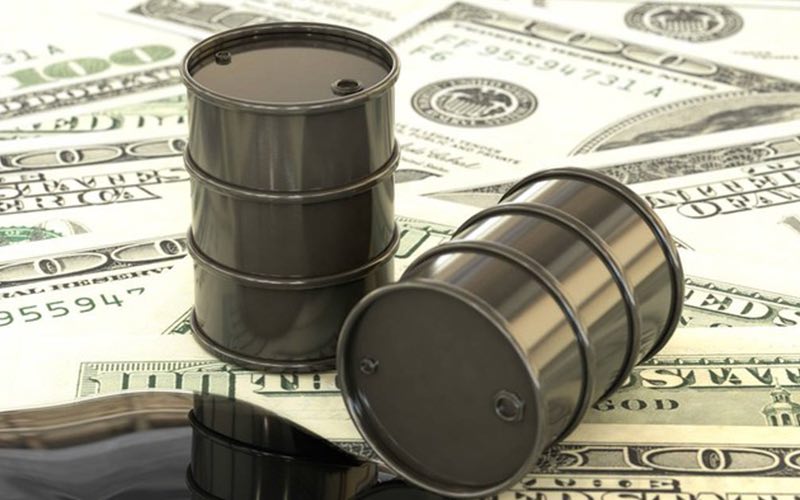
Oil traders and U.S. refiners are scrambling to acquire Venezuelan crude after the Trump administration announced on Tuesday (January 6) that it would control up to 50 million barrels of crude oil, unleashing the largest unexpected supply in recent years.
This strategy, initially revealed by US President Donald Trump and further elaborated by Energy Secretary Chris Wright, allows the US federal government to directly intervene in the international oil market. This move is expected to reopen the flow of Venezuelan crude oil to US refineries, a route previously disrupted by years of sanctions.
Venezuelan oil's return to the US buyer's market marks a significant shift in the global energy landscape . WTI crude oil prices fluctuated around $56.45 per barrel in Asian trading on Thursday, following a significant decline in the previous two trading days. Venezuela possesses the world's largest oil reserves, but decades of underinvestment, sanctions, and economic turmoil have caused its production to plummet to less than 1 million barrels per day.
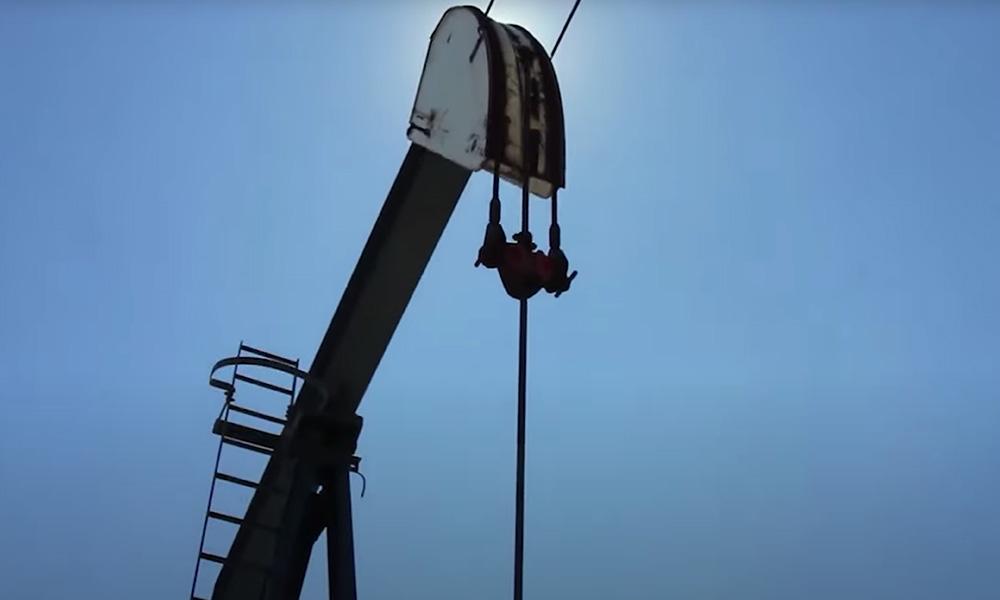
"It is quite unusual for the United States to take indefinite control of Venezuelan oil sales," noted Carolyn Kissane, associate dean of the Center for Global Affairs at New York University.
The U.S. government's statement sparked intense activity from companies previously excluded by sanctions, as well as a few that managed to maintain operations in Venezuela.
Citgo Oil, a U.S. refiner indirectly controlled by Venezuela, is reportedly considering resuming purchases for the first time since supply disruptions began in 2019 due to sanctions. Meanwhile, according to its global oil chief, trading giant Trafigura plans to hold talks with the U.S. government about returning to the market to buy Venezuelan crude and supplying fuel to the country.
Oil giant Chevron is also in talks with Washington to extend its special license to operate in the country.
The Trump administration’s policies indicate that, as part of its energy-dominant agenda, its intervention in the global oil market will be more direct.
The Department of Energy confirmed in a fact sheet: "The U.S. government has begun selling Venezuelan crude oil on the global market. We have engaged with leading global commodity traders and key banks to execute and provide financial support for the sale of these crude oils and crude oil products."
As part of the plan, the agency will selectively lift sanctions, allowing the transport and sale of Venezuelan crude oil. These changes will also allow the import of specific oilfield equipment, components, and services needed for production.
Despite plans for top U.S. oil executives to meet with President Trump in the coming days, markets believe many drilling companies will be cautious about returning to Venezuela without clear assurances regarding the political and legal environment.
"I find it hard to believe that a company would be willing to take on the extremely high risks associated with going beyond offshore areas," Kissane said.
However, some market observers believe this is a logical evolution of government policy, albeit significant.
"It's worth noting that the government has been actively influencing crude oil prices through its Strategic Petroleum Reserve (SPR) sales and buyback programs, effectively creating a hidden price range," said Rebecca Babin, senior energy trader at CIBC Private Wealth Management.
"While the current situation represents a larger-scale, more direct intervention, it marks a clear evolution in policy tools."
Even as the U.S. strategy unfolds, tensions in the region remain high. This week, the U.S. military seized two more sanctioned oil tankers, further strengthening its naval blockade aimed at crippling Venezuela's energy sector.
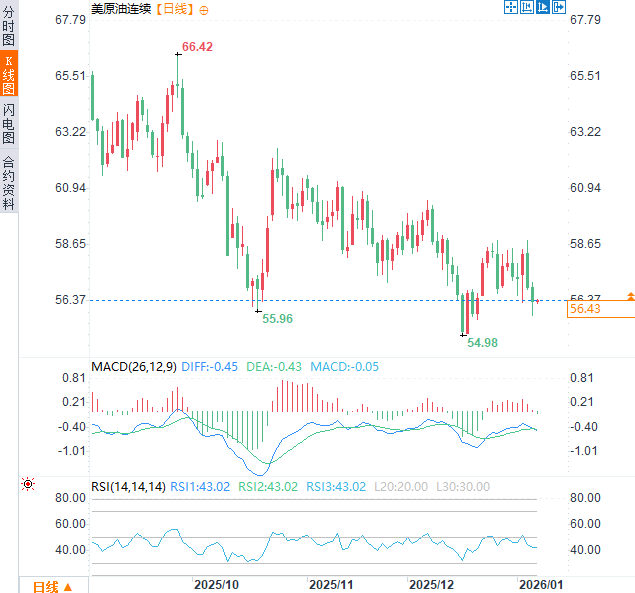
(US crude oil daily chart, source: FX678)
At 10:03 Beijing time, US crude oil futures were trading at $56.36 per barrel.
This strategy, initially revealed by US President Donald Trump and further elaborated by Energy Secretary Chris Wright, allows the US federal government to directly intervene in the international oil market. This move is expected to reopen the flow of Venezuelan crude oil to US refineries, a route previously disrupted by years of sanctions.
Venezuelan oil's return to the US buyer's market marks a significant shift in the global energy landscape . WTI crude oil prices fluctuated around $56.45 per barrel in Asian trading on Thursday, following a significant decline in the previous two trading days. Venezuela possesses the world's largest oil reserves, but decades of underinvestment, sanctions, and economic turmoil have caused its production to plummet to less than 1 million barrels per day.
"It is quite unusual for the United States to take indefinite control of Venezuelan oil sales," noted Carolyn Kissane, associate dean of the Center for Global Affairs at New York University.
Industry participants vie for position
The U.S. government's statement sparked intense activity from companies previously excluded by sanctions, as well as a few that managed to maintain operations in Venezuela.
Citgo Oil, a U.S. refiner indirectly controlled by Venezuela, is reportedly considering resuming purchases for the first time since supply disruptions began in 2019 due to sanctions. Meanwhile, according to its global oil chief, trading giant Trafigura plans to hold talks with the U.S. government about returning to the market to buy Venezuelan crude and supplying fuel to the country.
Oil giant Chevron is also in talks with Washington to extend its special license to operate in the country.
Washington's oil marketing strategy
The Trump administration’s policies indicate that, as part of its energy-dominant agenda, its intervention in the global oil market will be more direct.
The Department of Energy confirmed in a fact sheet: "The U.S. government has begun selling Venezuelan crude oil on the global market. We have engaged with leading global commodity traders and key banks to execute and provide financial support for the sale of these crude oils and crude oil products."
As part of the plan, the agency will selectively lift sanctions, allowing the transport and sale of Venezuelan crude oil. These changes will also allow the import of specific oilfield equipment, components, and services needed for production.
Investors should remain cautious, as geopolitical risks persist.
Despite plans for top U.S. oil executives to meet with President Trump in the coming days, markets believe many drilling companies will be cautious about returning to Venezuela without clear assurances regarding the political and legal environment.
"I find it hard to believe that a company would be willing to take on the extremely high risks associated with going beyond offshore areas," Kissane said.
However, some market observers believe this is a logical evolution of government policy, albeit significant.
"It's worth noting that the government has been actively influencing crude oil prices through its Strategic Petroleum Reserve (SPR) sales and buyback programs, effectively creating a hidden price range," said Rebecca Babin, senior energy trader at CIBC Private Wealth Management.
"While the current situation represents a larger-scale, more direct intervention, it marks a clear evolution in policy tools."
Even as the U.S. strategy unfolds, tensions in the region remain high. This week, the U.S. military seized two more sanctioned oil tankers, further strengthening its naval blockade aimed at crippling Venezuela's energy sector.
(US crude oil daily chart, source: FX678)
At 10:03 Beijing time, US crude oil futures were trading at $56.36 per barrel.
- Risk Warning and Disclaimer
- The market involves risk, and trading may not be suitable for all investors. This article is for reference only and does not constitute personal investment advice, nor does it take into account certain users’ specific investment objectives, financial situation, or other needs. Any investment decisions made based on this information are at your own risk.