Republicans "defected," slapping Trump in the face; the tariff wall was breached by their own people.
2026-02-12 10:27:28
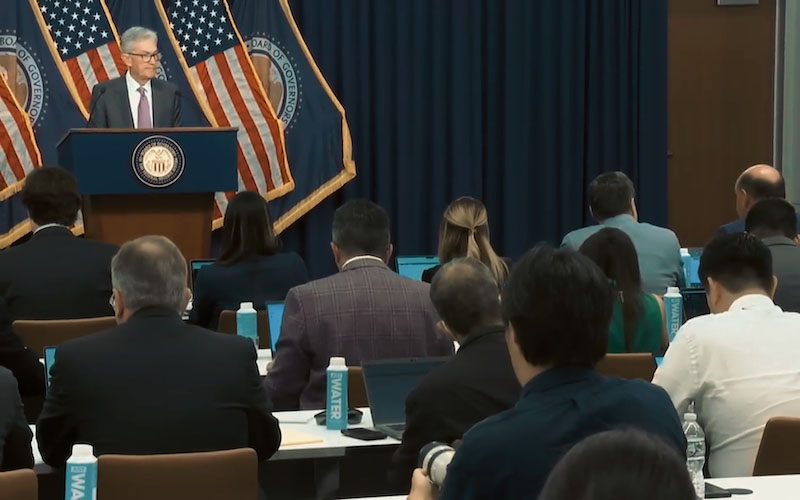
The U.S. House of Representatives passed a resolution on Wednesday (February 11) by a narrow margin of 219 to 211, formally expressing its dissatisfaction with President Trump's tariff measures against Canada. This outcome not only represents a major setback for Republican House Speaker Mike Johnson, but also marks a rare instance of openly challenging Trump's core economic policies within the Republican Party.
The anti-tariff resolution, introduced by New York Democratic Representative Gregory Meeks, passed the House of Representatives by a vote of 219-211. Six Republican representatives voted in favor, including Don Bacon of Nebraska, Thomas Massey of Kentucky, and Kevin Kelly of California. Only one Democrat—Jared Golden of Maine—voted against it.
The day before, the House of Representatives had rejected a procedural rule that would have blocked the tariff challenge until July 31, when three Republican lawmakers also sided with the Democrats.
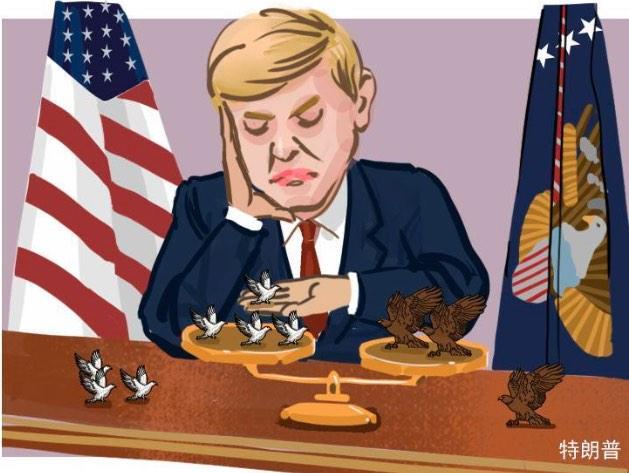
During the voting process, Trump issued a stern warning via social media: "Any Republican who votes against tariffs in the House or Senate will pay a heavy price in the election—including the primaries!" He emphasized that tariffs have provided the United States with a double guarantee of "economic and national security," and that no Republican should undermine this advantage.
Despite direct pressure from the president, some Republican lawmakers chose to stick to their positions, especially those in swing districts where tariff policies are extremely unpopular.
Nebraska Representative Don Bacon revealed before the vote that the White House had tried to persuade him to change his stance with preferential policies for Nebraska, but he refused to compromise. He wrote, "Tariffs have a net negative impact on the U.S. economy and represent a significant tax burden for American consumers, manufacturers, and farmers."
Bacon emphasized that he voted based on principles, not local interests: "They tried to bribe me with the sweeteners of Nebraska, but I asked: What about the other 49 states?"
The moment the resolution passed, cheers erupted from the House Democrats. Meeks subsequently criticized Speaker Johnson for "continuously abandoning his duties and handing over Article I powers to Trump," and called on Republicans to publicly choose sides: either join the Democrats in ending these tariffs that raise the cost of living, or continue to make American families foot the bill.
Senate Minority Leader Chuck Schumer stated that Congress has sent a clear signal through bipartisan statements: it's time to end Trump's tariffs and provide real relief to the American people. He pointed out that the policy has led to a comprehensive increase in the cost of living, including food and energy, simply because Trump chose "chaos" over common sense.
Despite the House passing the resolution, Speaker Johnson, given the Republicans' slim majority, can hardly afford any further defections. Even if the Senate subsequently passes similar measures (the Senate has already approved several motions to end tariffs on Canada in 2025), Trump will almost certainly veto them.
"That's the reality of a slim majority," Johnson said in an interview on Wednesday. "I think it's a big mistake that we shouldn't be trying to limit the president's power at a crucial time when he's negotiating America First trade deals with countries around the world."
This vote clearly exposed the deep divisions within the Republican Party regarding Trump's tariff policy . For lawmakers in agricultural and manufacturing states, as well as swing districts, the rising consumer prices and negative economic effects of tariffs are becoming increasingly difficult to ignore. While hopes for a policy reversal in the short term are slim, this rare sign of bipartisan cooperation may lay the groundwork for important future trade policy debates .
While the House's anti-tariff resolution is unlikely to directly reverse Trump's trade policies, the partisan divide it reveals, the obstacles to policy implementation, and the marginal erosion of the dollar's credibility are building a new medium- to long-term support logic for gold, while the dollar faces pressure to correct its premium after the "Trump trade" fades.
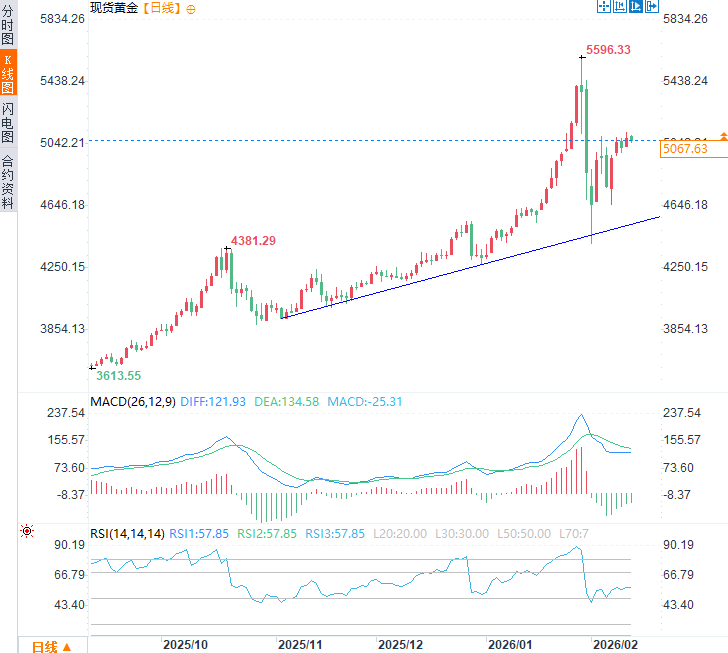
(Spot gold daily chart, source: FX678)
At 10:27 Beijing time, spot gold was trading at $5,065.83 per ounce.
Resolution passage process: Six Republicans crossed party lines
The anti-tariff resolution, introduced by New York Democratic Representative Gregory Meeks, passed the House of Representatives by a vote of 219-211. Six Republican representatives voted in favor, including Don Bacon of Nebraska, Thomas Massey of Kentucky, and Kevin Kelly of California. Only one Democrat—Jared Golden of Maine—voted against it.
The day before, the House of Representatives had rejected a procedural rule that would have blocked the tariff challenge until July 31, when three Republican lawmakers also sided with the Democrats.
Trump issues strong warning: Those who defy tariffs will pay the price in the election.
During the voting process, Trump issued a stern warning via social media: "Any Republican who votes against tariffs in the House or Senate will pay a heavy price in the election—including the primaries!" He emphasized that tariffs have provided the United States with a double guarantee of "economic and national security," and that no Republican should undermine this advantage.
Despite direct pressure from the president, some Republican lawmakers chose to stick to their positions, especially those in swing districts where tariff policies are extremely unpopular.
Republican lawmakers speak from experience: Tariffs have become a heavy burden for consumers and farmers.
Nebraska Representative Don Bacon revealed before the vote that the White House had tried to persuade him to change his stance with preferential policies for Nebraska, but he refused to compromise. He wrote, "Tariffs have a net negative impact on the U.S. economy and represent a significant tax burden for American consumers, manufacturers, and farmers."
Bacon emphasized that he voted based on principles, not local interests: "They tried to bribe me with the sweeteners of Nebraska, but I asked: What about the other 49 states?"
Democrats celebrated their victory, and leaders from both parties called for relief for the people.
The moment the resolution passed, cheers erupted from the House Democrats. Meeks subsequently criticized Speaker Johnson for "continuously abandoning his duties and handing over Article I powers to Trump," and called on Republicans to publicly choose sides: either join the Democrats in ending these tariffs that raise the cost of living, or continue to make American families foot the bill.
Senate Minority Leader Chuck Schumer stated that Congress has sent a clear signal through bipartisan statements: it's time to end Trump's tariffs and provide real relief to the American people. He pointed out that the policy has led to a comprehensive increase in the cost of living, including food and energy, simply because Trump chose "chaos" over common sense.
Future Outlook: Symbolic Significance Outweighs Substantial Change
Despite the House passing the resolution, Speaker Johnson, given the Republicans' slim majority, can hardly afford any further defections. Even if the Senate subsequently passes similar measures (the Senate has already approved several motions to end tariffs on Canada in 2025), Trump will almost certainly veto them.
"That's the reality of a slim majority," Johnson said in an interview on Wednesday. "I think it's a big mistake that we shouldn't be trying to limit the president's power at a crucial time when he's negotiating America First trade deals with countries around the world."
This vote clearly exposed the deep divisions within the Republican Party regarding Trump's tariff policy . For lawmakers in agricultural and manufacturing states, as well as swing districts, the rising consumer prices and negative economic effects of tariffs are becoming increasingly difficult to ignore. While hopes for a policy reversal in the short term are slim, this rare sign of bipartisan cooperation may lay the groundwork for important future trade policy debates .
While the House's anti-tariff resolution is unlikely to directly reverse Trump's trade policies, the partisan divide it reveals, the obstacles to policy implementation, and the marginal erosion of the dollar's credibility are building a new medium- to long-term support logic for gold, while the dollar faces pressure to correct its premium after the "Trump trade" fades.
(Spot gold daily chart, source: FX678)
At 10:27 Beijing time, spot gold was trading at $5,065.83 per ounce.
- Risk Warning and Disclaimer
- The market involves risk, and trading may not be suitable for all investors. This article is for reference only and does not constitute personal investment advice, nor does it take into account certain users’ specific investment objectives, financial situation, or other needs. Any investment decisions made based on this information are at your own risk.