Caribbean Storm Resurfaces: Cuba Becomes a Geopolitical Pivot, Igniting Safe-Haven Sentiment for Gold
2026-02-19 20:50:39
Cuba is currently facing the most severe multiple crises since the collapse of the Soviet Union. The Trump administration's intensified blockade policy continues to escalate, and regional allies are forced to compromise under pressure. The solidarity and support of the international community, along with the firm stance of countries such as Russia, form a stark contrast in this geopolitical game.
Cuba's fate is being pulled together by the suffocating feeling of blockade and the resistance to break it, while the differences in the attitudes of major powers toward Cuba have naturally become the levers and fulcrums of geopolitics.
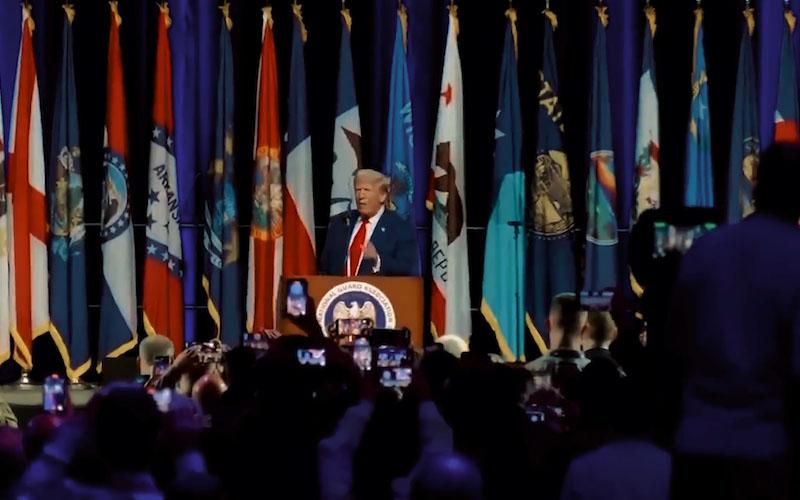
The US blockade of Cuba has spread from the energy sector to comprehensive economic suppression.
On January 29, Trump signed an executive order declaring a national emergency, citing Cuba as an "unusual and extremely special threat," and announced punitive tariffs on countries exporting oil to Cuba, while threatening cross-border financial retaliation.
This policy has already taken effect: after the United States intervened in Venezuela's oil industry on January 3, Cuba lost its core oil supply of 35,000 barrels per day; on February 17, Mexico was forced to suspend its oil supply to Cuba "at this stage" due to the threat of tariffs from the United States.
At the same time, the United States further tightened its control over Cuba's foreign exchange earnings, squeezing its core sources of foreign exchange such as medical dispatch and tourism, leading to a continuous depletion of Cuba's foreign exchange reserves and an increasingly severe foreign exchange liquidity crisis.
The humanitarian disaster caused by the blockade has become fully apparent in Cuba.
On February 17, Cuba experienced a massive power outage during peak electricity demand, affecting 56% of its territory and shutting down nearly half of the country's thermal power plants.
With fuel shortages, Cuba has implemented strict gasoline rationing, paralyzed public transportation, and brought basic services such as medical care, garbage collection, and food and medicine delivery to a standstill. Scenes of garbage piling up on the streets of Havana have drawn widespread attention, and the United Nations has warned of the risk of a full-blown humanitarian crisis.
In response to the crisis, Cuba introduced emergency measures such as supply guarantees and fuel quotas, and announced the postponement of the annual cigar festival.
As regional allies compromise, Russia has become Cuba's staunchest supporter.
On February 18, during a meeting with Cuban Foreign Minister Rodriguez, Putin publicly condemned the US oil blockade, stating that "Russia will never accept such a practice," and emphasized that Russia always stands with Cuba and supports its efforts to defend its national independence and independent development path.
Russia has defined the fuel situation in Cuba as a "real crisis" and is stepping up the development of an aid plan, intending to deepen cooperation in local currency settlements and provide foreign exchange support and material assistance.
Russian Foreign Minister Lavrov refuted the US's accusations, pointing out that Russia-Cuba cooperation is based on market principles, and that the US's suppression is actually aimed at maintaining the dollar's hegemony. Moscow has even threatened to deploy its navy to protect Russian ships, significantly increasing the risk of geopolitical confrontation.
Global support has provided crucial strength to Cuba. With the backing of many countries, Cuba is accelerating its energy transition, deploying solar panels on a large scale, and has made it clear that it will provide assistance to the best of its ability.
At the international level, "Flotilla Nuestra América" is a civilian fleet jointly launched by social movements, labor unions, and humanitarian organizations from multiple countries around the world. Fully loaded with food, medicine, solar energy equipment, and other supplies, it will break through the US blockade by sea and deliver them directly to Cuba. It is scheduled to set sail in March, uniting more than 100 organizations to break the blockade and deliver renewable energy systems to Cuban hospitals. Brazilian labor unions launched an oil and medicine delivery campaign, Spain launched the "Keep Cuba Alive" campaign, and prominent figures in the US cultural circles jointly condemned the US blockade as "inhumane collective punishment." The global outcry against the blockade and for aid to Cuba continues to rise.
The White House continues to pressure Cuba, with White House Press Secretary Levitt declaring that the Cuban regime is "on the verge of collapse" and demanding "major substantive changes," without directly mentioning regime change.
Faced with extreme pressure, Cuban President Miguel Díaz-Canel made a strong statement, saying that Cuba is a sovereign and independent country and will never accept external orders. Cuba will resolutely defend its foreign exchange sovereignty and economic lifeline and will do everything in its power to break through the blockade.
The United States is pressuring its regional allies to compromise through energy blockades and tariffs. Coupled with the high-level meeting between Russia and Cuba, Russia's tough stance, and its threat to use its navy for escort, the risk of geopolitical confrontation in the Caribbean is rapidly rising.
Multiple countries and NGOs around the world have launched initiatives such as "Our Americas Fleet" to break the blockade, further exacerbating the conflict between unilateral sanctions and international morality, and fueling a continued rise in risk aversion.
The Cuban energy crisis and the spillover of humanitarian risks, coupled with the global trend of de-dollarization and central bank gold purchases, have led to a convergence of demand for gold as a safe haven and for asset allocation.
In the medium to long term, the actions of the United States and other countries regarding Cuba will become a geopolitical lever, and the crisis further confirms the fragmentation of the global order, thus strengthening the strategic position of gold as a risk hedge and value anchor.
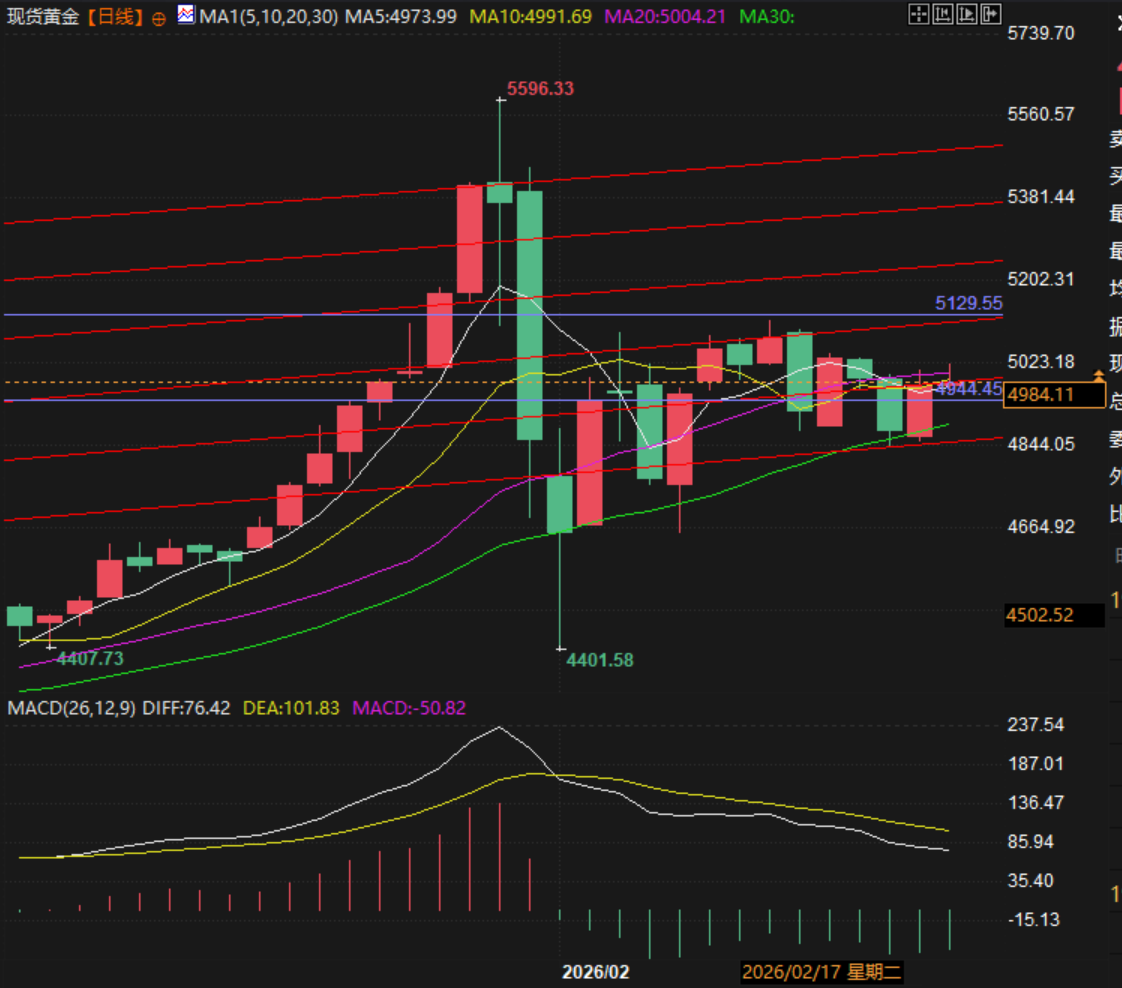
(Spot gold daily chart, source: FX678)
At 20:47 Beijing time, spot gold is currently trading at $4,985 per ounce.
Cuba's fate is being pulled together by the suffocating feeling of blockade and the resistance to break it, while the differences in the attitudes of major powers toward Cuba have naturally become the levers and fulcrums of geopolitics.
US sanctions intensify: energy lifeline severed, economic suffocation exacerbated.
The US blockade of Cuba has spread from the energy sector to comprehensive economic suppression.
On January 29, Trump signed an executive order declaring a national emergency, citing Cuba as an "unusual and extremely special threat," and announced punitive tariffs on countries exporting oil to Cuba, while threatening cross-border financial retaliation.
This policy has already taken effect: after the United States intervened in Venezuela's oil industry on January 3, Cuba lost its core oil supply of 35,000 barrels per day; on February 17, Mexico was forced to suspend its oil supply to Cuba "at this stage" due to the threat of tariffs from the United States.
At the same time, the United States further tightened its control over Cuba's foreign exchange earnings, squeezing its core sources of foreign exchange such as medical dispatch and tourism, leading to a continuous depletion of Cuba's foreign exchange reserves and an increasingly severe foreign exchange liquidity crisis.
Humanitarian crisis erupts: Cuban people's livelihoods plunged into unprecedented hardship
The humanitarian disaster caused by the blockade has become fully apparent in Cuba.
On February 17, Cuba experienced a massive power outage during peak electricity demand, affecting 56% of its territory and shutting down nearly half of the country's thermal power plants.
With fuel shortages, Cuba has implemented strict gasoline rationing, paralyzed public transportation, and brought basic services such as medical care, garbage collection, and food and medicine delivery to a standstill. Scenes of garbage piling up on the streets of Havana have drawn widespread attention, and the United Nations has warned of the risk of a full-blown humanitarian crisis.
In response to the crisis, Cuba introduced emergency measures such as supply guarantees and fuel quotas, and announced the postponement of the annual cigar festival.
Russia strongly supports Cuba: Putin explicitly opposes sanctions and pledges full support.
As regional allies compromise, Russia has become Cuba's staunchest supporter.
On February 18, during a meeting with Cuban Foreign Minister Rodriguez, Putin publicly condemned the US oil blockade, stating that "Russia will never accept such a practice," and emphasized that Russia always stands with Cuba and supports its efforts to defend its national independence and independent development path.
Russia has defined the fuel situation in Cuba as a "real crisis" and is stepping up the development of an aid plan, intending to deepen cooperation in local currency settlements and provide foreign exchange support and material assistance.
Russian Foreign Minister Lavrov refuted the US's accusations, pointing out that Russia-Cuba cooperation is based on market principles, and that the US's suppression is actually aimed at maintaining the dollar's hegemony. Moscow has even threatened to deploy its navy to protect Russian ships, significantly increasing the risk of geopolitical confrontation.
International Community Joins Forces to Provide Aid: Multiple Countries Support Energy Transition, Global Support Breaks Blockade
Global support has provided crucial strength to Cuba. With the backing of many countries, Cuba is accelerating its energy transition, deploying solar panels on a large scale, and has made it clear that it will provide assistance to the best of its ability.
At the international level, "Flotilla Nuestra América" is a civilian fleet jointly launched by social movements, labor unions, and humanitarian organizations from multiple countries around the world. Fully loaded with food, medicine, solar energy equipment, and other supplies, it will break through the US blockade by sea and deliver them directly to Cuba. It is scheduled to set sail in March, uniting more than 100 organizations to break the blockade and deliver renewable energy systems to Cuban hospitals. Brazilian labor unions launched an oil and medicine delivery campaign, Spain launched the "Keep Cuba Alive" campaign, and prominent figures in the US cultural circles jointly condemned the US blockade as "inhumane collective punishment." The global outcry against the blockade and for aid to Cuba continues to rise.
White House pressure remains unchanged: Cuba vows to defend its sovereignty and right to development to the death.
The White House continues to pressure Cuba, with White House Press Secretary Levitt declaring that the Cuban regime is "on the verge of collapse" and demanding "major substantive changes," without directly mentioning regime change.
Faced with extreme pressure, Cuban President Miguel Díaz-Canel made a strong statement, saying that Cuba is a sovereign and independent country and will never accept external orders. Cuba will resolutely defend its foreign exchange sovereignty and economic lifeline and will do everything in its power to break through the blockade.
The Cuban Missile Crisis has become a key observation point for global geopolitical risk pricing.
The United States is pressuring its regional allies to compromise through energy blockades and tariffs. Coupled with the high-level meeting between Russia and Cuba, Russia's tough stance, and its threat to use its navy for escort, the risk of geopolitical confrontation in the Caribbean is rapidly rising.
Multiple countries and NGOs around the world have launched initiatives such as "Our Americas Fleet" to break the blockade, further exacerbating the conflict between unilateral sanctions and international morality, and fueling a continued rise in risk aversion.
The Cuban energy crisis and the spillover of humanitarian risks, coupled with the global trend of de-dollarization and central bank gold purchases, have led to a convergence of demand for gold as a safe haven and for asset allocation.
In the medium to long term, the actions of the United States and other countries regarding Cuba will become a geopolitical lever, and the crisis further confirms the fragmentation of the global order, thus strengthening the strategic position of gold as a risk hedge and value anchor.
(Spot gold daily chart, source: FX678)
At 20:47 Beijing time, spot gold is currently trading at $4,985 per ounce.
- Risk Warning and Disclaimer
- The market involves risk, and trading may not be suitable for all investors. This article is for reference only and does not constitute personal investment advice, nor does it take into account certain users’ specific investment objectives, financial situation, or other needs. Any investment decisions made based on this information are at your own risk.