Trump's tariffs, deemed "unconstitutional," have impacted the currency market, ending the dollar's four-day winning streak, while the yen faces a crucial window next week.
2026-02-21 08:04:25
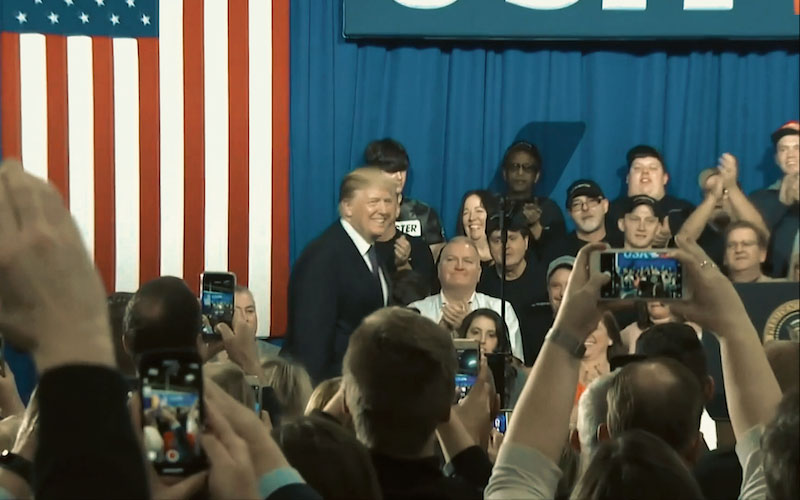
The dollar index fell in choppy trading on Friday, ending a four-day winning streak. This followed a 6-3 ruling by the U.S. Supreme Court that President Trump's broad tariff measures, implemented under the National Emergencies Act, exceeded his authority and were therefore invalid.
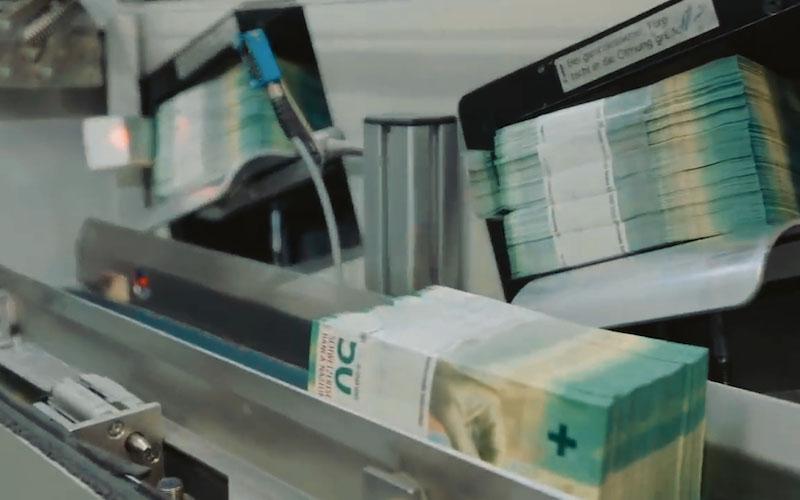
Although the dollar index fell 0.09% to 97.80 on the day, it still recorded its biggest weekly gain in nearly four months (about 1%) this week, and the market is assessing the subsequent impact.
The U.S. Supreme Court ruled that the International Emergency Economic Powers Act, upon which Trump based his tariffs, did not authorize the president to do so. The court stated, "Article 1, Section 8 of the Constitution states: 'Congress shall have the power to make and impose taxes and tariffs.'"
US President Trump called the Supreme Court's ruling that most of the tariffs he imposed were illegal a "disgrace." When asked by reporters whether the approximately $175 billion in tariff revenue collected earlier would be returned, Trump said the Supreme Court's ruling was flawed, failing to address whether to "keep the money" or "not keep the money"—he guessed "this will be a legal battle for the next two, maybe even five years."
On June 20, Trump signed an order imposing a 10% global tariff on all countries. The 10% tariff will take effect almost immediately, replacing the large-scale tariffs previously imposed under the International Emergency Economic Powers Act, which were ruled illegal by the U.S. Supreme Court.
St. Louis Federal Reserve President Alberto Musalem said on Friday that the new tariffs are essentially a one-to-one replacement for existing measures, so his overall economic forecast will remain unchanged. The key is how businesses cope with the uncertainty brought about by the policy shift. "This could introduce a period of uncertainty for businesses as they begin to consider how to switch from paying tariffs under the International Emergency Economic Powers Act (IEEPA) to paying other types of tariffs," Musalem said. He added that he will communicate with business executives to understand their strategies for dealing with this uncertainty.
Data from the U.S. Commerce Department shows that the country's GDP grew at an annualized rate of only 1.4% last quarter, far below economists' forecasts of 3%. However, analysts point out that the government shutdown negatively impacted the data. Erik Bregar, Director of FX and Precious Metals Risk Management at Silver Gold Bull in Toronto, said, "The dollar has been strong for most of the week, except for this moment, so I think the 'sell-off of U.S. assets' trade is a bit premature. We need to see how Trump responds, how Treasury Secretary Bessant responds, and how the government responds."
Friday's economic data and tariff rulings slightly dampened market expectations for a near-term interest rate cut by the Federal Reserve. The CME FedWatch tool showed that market expectations for a rate cut of at least 25 basis points at the Fed's June meeting fell to 53.8% from 58.6% the previous day.
The euro rose 0.06% to $1.1779 as a business survey showed that economic activity in the eurozone grew faster than expected this month, with manufacturing returning to growth for the first time since October last year, but the dominant services sector underperformed expectations.
The pound rose 0.16% to $1.3484, but fell about 1.2% this week, marking its biggest weekly drop since January 2025. Official data showed that UK retail sales in January grew at their fastest pace in nearly four years, while surveys indicated that the recovery momentum for UK businesses in early 2026 has continued for a second month.
The dollar rose 0.06% against the yen to 155.08 yen, gaining 1.6% this week, its biggest weekly rise since October. Japanese data showed that core consumer inflation hit 2.0% in January, the slowest pace in two years.
Krishna Bhimavarapu, an economist for Asia Pacific at State Street Investment Management, said that Japan’s January consumer inflation data may have reinforced the Bank of Japan’s view that underlying inflation is still rising.
He pointed out that although inflation excluding fresh food and energy (i.e., "core of the core" inflation) appears to be cooling, the 2.6% year-on-year increase is still well above the Bank of Japan's target level of 2%.
Based on this assessment, Bhimavarapu believes that the Bank of Japan is increasingly likely to bring forward its next interest rate hike to April. The possibility of further rate hikes later this year is also rising, as the government may have already incorporated higher interest rates into its fiscal assumptions.
The Japanese government is expected to announce its nominations for two vacant board positions at the Bank of Japan next week. This decision will be a key window into the extent to which Prime Minister Sanae Takaichi will tolerate further interest rate hikes.
According to sources, the government will submit two nominations to Congress as early as February 25, which will require approval from both houses of Congress. These nominations aim to fill two vacancies on the Bank of Canada's nine-member policy committee: member Asahi Noguchi's term expires at the end of March, and member Junko Nakagawa will retire in June.
Sources familiar with the matter said that the shortlist includes proponents of reflation, but Sanae Takashi has not yet made a final decision. Another source noted, "While the candidate doesn't necessarily have to be a proponent of loose monetary policy, the key is that reflationist views cannot be excluded." The market is closely watching Takashi's final choice, as it will send an important signal regarding monetary policy.
A third source revealed that, based on past experience, Noguchi Asahi's successor is likely to come from academia, while Nakagawa Junko's successor is expected to be a female candidate from the financial sector.
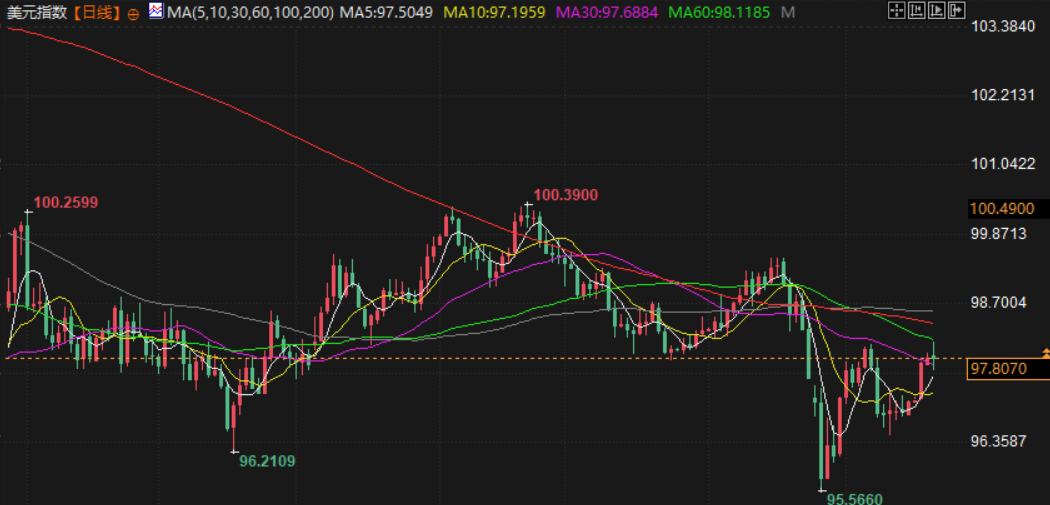
Although the dollar index fell 0.09% to 97.80 on the day, it still recorded its biggest weekly gain in nearly four months (about 1%) this week, and the market is assessing the subsequent impact.
The U.S. Supreme Court ruled that the International Emergency Economic Powers Act, upon which Trump based his tariffs, did not authorize the president to do so. The court stated, "Article 1, Section 8 of the Constitution states: 'Congress shall have the power to make and impose taxes and tariffs.'"
US President Trump called the Supreme Court's ruling that most of the tariffs he imposed were illegal a "disgrace." When asked by reporters whether the approximately $175 billion in tariff revenue collected earlier would be returned, Trump said the Supreme Court's ruling was flawed, failing to address whether to "keep the money" or "not keep the money"—he guessed "this will be a legal battle for the next two, maybe even five years."
On June 20, Trump signed an order imposing a 10% global tariff on all countries. The 10% tariff will take effect almost immediately, replacing the large-scale tariffs previously imposed under the International Emergency Economic Powers Act, which were ruled illegal by the U.S. Supreme Court.
St. Louis Federal Reserve President Alberto Musalem said on Friday that the new tariffs are essentially a one-to-one replacement for existing measures, so his overall economic forecast will remain unchanged. The key is how businesses cope with the uncertainty brought about by the policy shift. "This could introduce a period of uncertainty for businesses as they begin to consider how to switch from paying tariffs under the International Emergency Economic Powers Act (IEEPA) to paying other types of tariffs," Musalem said. He added that he will communicate with business executives to understand their strategies for dealing with this uncertainty.
Data from the U.S. Commerce Department shows that the country's GDP grew at an annualized rate of only 1.4% last quarter, far below economists' forecasts of 3%. However, analysts point out that the government shutdown negatively impacted the data. Erik Bregar, Director of FX and Precious Metals Risk Management at Silver Gold Bull in Toronto, said, "The dollar has been strong for most of the week, except for this moment, so I think the 'sell-off of U.S. assets' trade is a bit premature. We need to see how Trump responds, how Treasury Secretary Bessant responds, and how the government responds."
Friday's economic data and tariff rulings slightly dampened market expectations for a near-term interest rate cut by the Federal Reserve. The CME FedWatch tool showed that market expectations for a rate cut of at least 25 basis points at the Fed's June meeting fell to 53.8% from 58.6% the previous day.
The euro rose 0.06% to $1.1779 as a business survey showed that economic activity in the eurozone grew faster than expected this month, with manufacturing returning to growth for the first time since October last year, but the dominant services sector underperformed expectations.
The pound rose 0.16% to $1.3484, but fell about 1.2% this week, marking its biggest weekly drop since January 2025. Official data showed that UK retail sales in January grew at their fastest pace in nearly four years, while surveys indicated that the recovery momentum for UK businesses in early 2026 has continued for a second month.
The dollar rose 0.06% against the yen to 155.08 yen, gaining 1.6% this week, its biggest weekly rise since October. Japanese data showed that core consumer inflation hit 2.0% in January, the slowest pace in two years.
Krishna Bhimavarapu, an economist for Asia Pacific at State Street Investment Management, said that Japan’s January consumer inflation data may have reinforced the Bank of Japan’s view that underlying inflation is still rising.
He pointed out that although inflation excluding fresh food and energy (i.e., "core of the core" inflation) appears to be cooling, the 2.6% year-on-year increase is still well above the Bank of Japan's target level of 2%.
Based on this assessment, Bhimavarapu believes that the Bank of Japan is increasingly likely to bring forward its next interest rate hike to April. The possibility of further rate hikes later this year is also rising, as the government may have already incorporated higher interest rates into its fiscal assumptions.
The Japanese government is expected to announce its nominations for two vacant board positions at the Bank of Japan next week. This decision will be a key window into the extent to which Prime Minister Sanae Takaichi will tolerate further interest rate hikes.
According to sources, the government will submit two nominations to Congress as early as February 25, which will require approval from both houses of Congress. These nominations aim to fill two vacancies on the Bank of Canada's nine-member policy committee: member Asahi Noguchi's term expires at the end of March, and member Junko Nakagawa will retire in June.
Sources familiar with the matter said that the shortlist includes proponents of reflation, but Sanae Takashi has not yet made a final decision. Another source noted, "While the candidate doesn't necessarily have to be a proponent of loose monetary policy, the key is that reflationist views cannot be excluded." The market is closely watching Takashi's final choice, as it will send an important signal regarding monetary policy.
A third source revealed that, based on past experience, Noguchi Asahi's successor is likely to come from academia, while Nakagawa Junko's successor is expected to be a female candidate from the financial sector.
- Risk Warning and Disclaimer
- The market involves risk, and trading may not be suitable for all investors. This article is for reference only and does not constitute personal investment advice, nor does it take into account certain users’ specific investment objectives, financial situation, or other needs. Any investment decisions made based on this information are at your own risk.