Haruhiko Kuroda "defects": Why is the former godfather of loose monetary policy calling for immediate action?
2026-02-25 16:42:37
Former Bank of Japan Governor Haruhiko Kuroda, once considered synonymous with Japan's "super-loose" monetary policy, recently issued a surprising warning. He clearly pointed out that Japan today is no longer the economy mired in deflation and desperately needing a boost in 2013. When "Abenomics" was launched, Japan faced the dual predicament of falling prices and an overly strong yen, making large-scale money printing to boost inflation expectations a necessary lifeline.
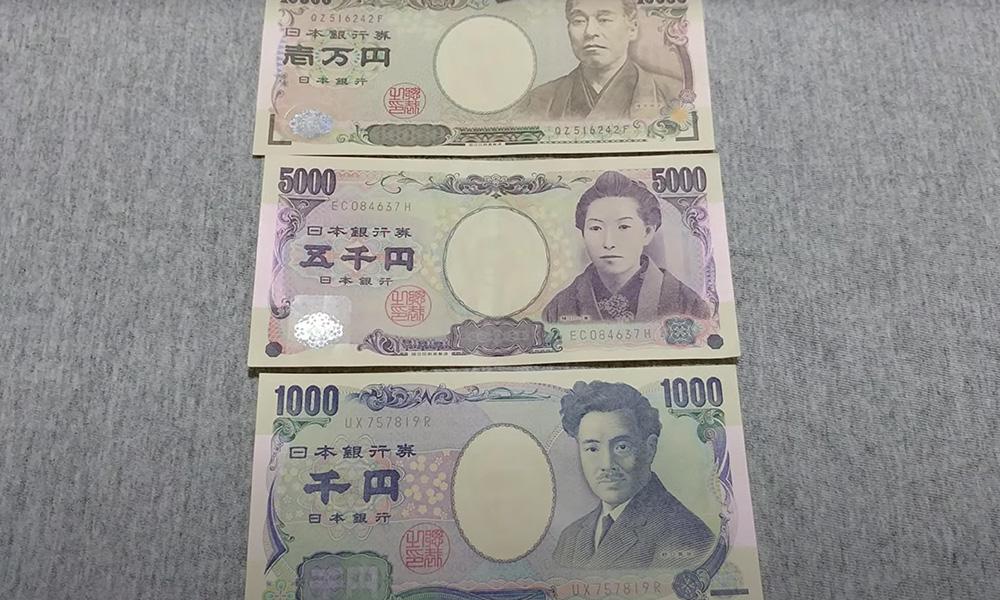
However, times have changed. Japan is now not only in an inflationary environment but also facing imported price pressures from a weak yen. Kuroda believes that continuing with an excessive combination of monetary easing and expansionary fiscal policy would be tantamount to adding fuel to an already burning fire, potentially leading to runaway inflation. This shift from "all-out stimulus" to "warning against overheating" marks a fundamental reversal in Japan's macroeconomic policy logic.
Kuroda's core concern points to the large-scale fiscal spending plans advocated at the current political level, particularly the aggressive strategies championed by Sanae Takaichi. In his view, when fiscal policy emphasizes stimulus while neglecting constraints, it will simultaneously push up prices from both the demand and cost sides. On the one hand, large-scale government spending will directly boost aggregate demand, leading to a secondary transmission through increased corporate profits and wage negotiations; on the other hand, if the yen continues to weaken, rising import costs for energy and raw materials will be more easily passed on to end consumers, making inflation highly sticky. Once inflation shifts from being purely cost-push to being driven by both demand and expectations, suppressing it will be extremely difficult. Therefore, Kuroda strongly advocates for a tighter fiscal and monetary stance to prevent this tail risk.
Regarding specific interest rate path predictions, Kuroda provided a clear range: if economic momentum continues, the Bank of Japan is expected to raise policy rates to around 1.50%-1.75% in the coming years. This figure is significant far beyond the nominal interest rate increase itself; it represents a complete repricing of Japanese financial conditions. The rise in the central interest rate will directly alter the yield curve structure, leading to a significant increase in medium- and long-term funding costs. This will, like dominoes, profoundly impact the rhythm of the real economy through multiple channels, including housing investment, corporate capital expenditure, and government debt interest burdens. For the Japanese market, accustomed to zero or even negative interest rate environments, this is not merely a change in numbers, but a rewriting of the rules of survival.
Meanwhile, the narrowing of interest rate differentials will have a profound impact on the foreign exchange market. Theoretically, rising interest rates in Japan should help alleviate the depreciation pressure on the yen, thereby mitigating imported inflation. However, analysts believe this process is not without its challenges, and its success depends heavily on the sustainability of domestic economic growth and wage increases in Japan. If the economic fundamentals are not robust enough, an overly rapid pace of interest rate hikes could stifle fragile demand, further limiting policy space. Therefore, controlling the pace of interest rate normalization and effective communication with the market will be key variables determining the success of this "soft landing." Any misstep could plunge the Japanese economy back into the predicament of stagnation and inflation.
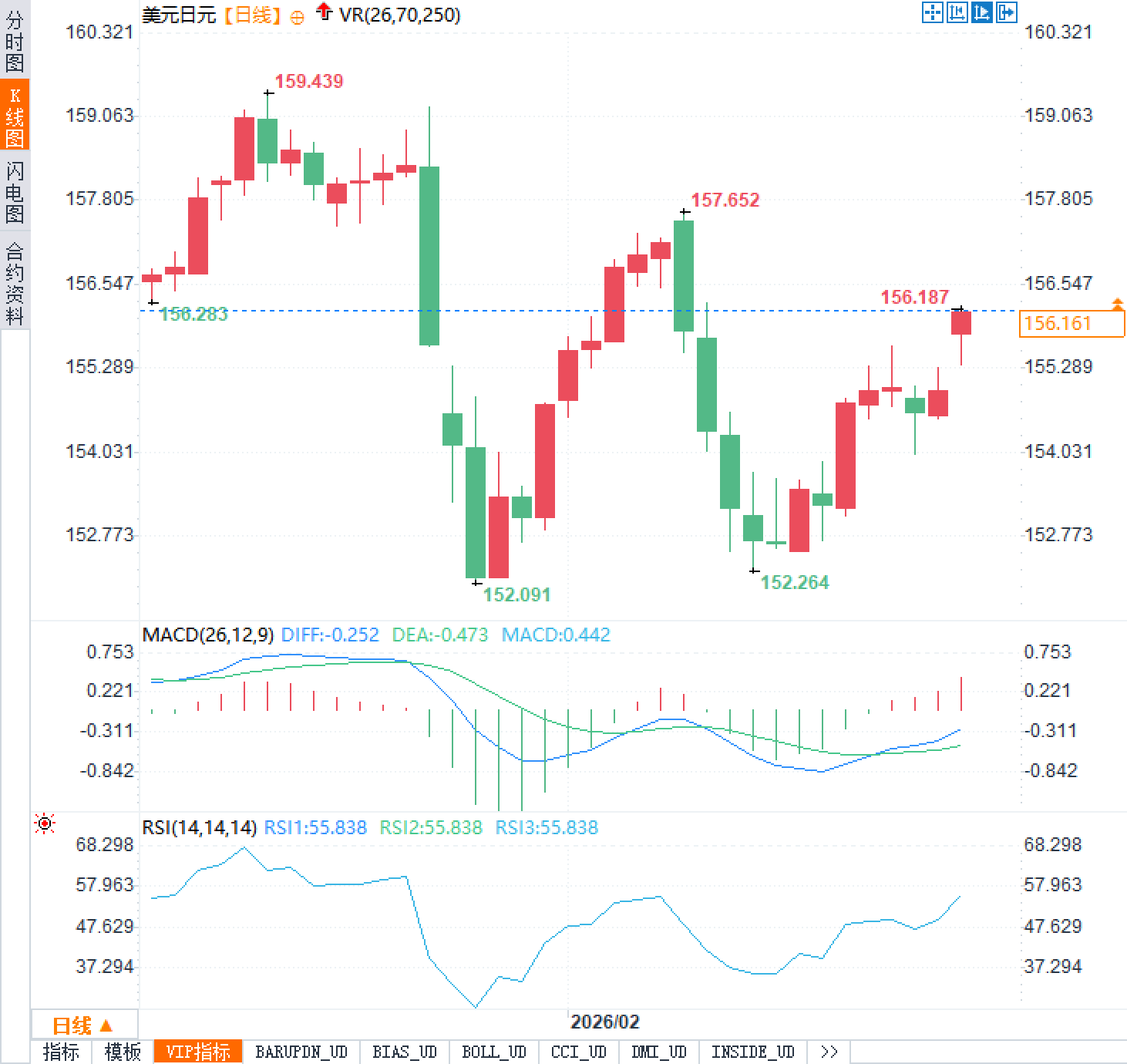
Despite Kuroda's stern warnings, the Bank of Japan's actions remain cautious. At its most recent meeting, the central bank kept interest rates unchanged, only slightly revising its growth and inflation forecasts upward. Current Governor Kazuo Ueda continued the existing forward guidance framework, emphasizing that if the economic outlook materializes, interest rate hikes will continue. He specifically mentioned that April's price performance will be a crucial point of observation for assessing whether to raise rates further. Financial markets have keenly picked up on this signal, generally viewing April as a potential key window. However, whether a rate hike will actually occur depends entirely on whether the data can support the sustainability of inflation and the resilience of demand. Current market pricing indicates that traders expect the next rate hike to occur as early as June, and the year-end pricing still includes approximately 47 basis points of easing, reflecting significant market divergence on the future.
Behind this divergence lies a complex interplay between political constraints and market trading structures. Recent reports indicate that Sanae Takaichi expressed reservations about further interest rate hikes during a meeting with Kazuo Ueda. If policy discussions lean excessively towards short-term growth and fiscal expansion, the market may continue a trading logic characterized by a weak yen and high bond yields. However, this structure is extremely fragile: if yields rise too quickly, it will increase financing costs and squeeze the valuations of interest-sensitive sectors; if the exchange rate weakens excessively, triggering stronger imported inflation, the resulting loss of real purchasing power will ultimately harm domestic demand. As long as there remains uncertainty regarding fiscal policy, the yen's trajectory, and the interaction between inflation and wages, the pricing of Japanese interest rates and the exchange rate will continue to fluctuate wildly around the timing and ultimate level of interest rate hikes, and any minor disturbance could trigger periodic market fluctuations.
However, times have changed. Japan is now not only in an inflationary environment but also facing imported price pressures from a weak yen. Kuroda believes that continuing with an excessive combination of monetary easing and expansionary fiscal policy would be tantamount to adding fuel to an already burning fire, potentially leading to runaway inflation. This shift from "all-out stimulus" to "warning against overheating" marks a fundamental reversal in Japan's macroeconomic policy logic.
Kuroda's core concern points to the large-scale fiscal spending plans advocated at the current political level, particularly the aggressive strategies championed by Sanae Takaichi. In his view, when fiscal policy emphasizes stimulus while neglecting constraints, it will simultaneously push up prices from both the demand and cost sides. On the one hand, large-scale government spending will directly boost aggregate demand, leading to a secondary transmission through increased corporate profits and wage negotiations; on the other hand, if the yen continues to weaken, rising import costs for energy and raw materials will be more easily passed on to end consumers, making inflation highly sticky. Once inflation shifts from being purely cost-push to being driven by both demand and expectations, suppressing it will be extremely difficult. Therefore, Kuroda strongly advocates for a tighter fiscal and monetary stance to prevent this tail risk.
A New Anchor for Interest Rates: The Reshaping of Financial Conditions Behind 1.75%
Regarding specific interest rate path predictions, Kuroda provided a clear range: if economic momentum continues, the Bank of Japan is expected to raise policy rates to around 1.50%-1.75% in the coming years. This figure is significant far beyond the nominal interest rate increase itself; it represents a complete repricing of Japanese financial conditions. The rise in the central interest rate will directly alter the yield curve structure, leading to a significant increase in medium- and long-term funding costs. This will, like dominoes, profoundly impact the rhythm of the real economy through multiple channels, including housing investment, corporate capital expenditure, and government debt interest burdens. For the Japanese market, accustomed to zero or even negative interest rate environments, this is not merely a change in numbers, but a rewriting of the rules of survival.
Meanwhile, the narrowing of interest rate differentials will have a profound impact on the foreign exchange market. Theoretically, rising interest rates in Japan should help alleviate the depreciation pressure on the yen, thereby mitigating imported inflation. However, analysts believe this process is not without its challenges, and its success depends heavily on the sustainability of domestic economic growth and wage increases in Japan. If the economic fundamentals are not robust enough, an overly rapid pace of interest rate hikes could stifle fragile demand, further limiting policy space. Therefore, controlling the pace of interest rate normalization and effective communication with the market will be key variables determining the success of this "soft landing." Any misstep could plunge the Japanese economy back into the predicament of stagnation and inflation.
Policy game and market volatility: Uncertainties in April
Despite Kuroda's stern warnings, the Bank of Japan's actions remain cautious. At its most recent meeting, the central bank kept interest rates unchanged, only slightly revising its growth and inflation forecasts upward. Current Governor Kazuo Ueda continued the existing forward guidance framework, emphasizing that if the economic outlook materializes, interest rate hikes will continue. He specifically mentioned that April's price performance will be a crucial point of observation for assessing whether to raise rates further. Financial markets have keenly picked up on this signal, generally viewing April as a potential key window. However, whether a rate hike will actually occur depends entirely on whether the data can support the sustainability of inflation and the resilience of demand. Current market pricing indicates that traders expect the next rate hike to occur as early as June, and the year-end pricing still includes approximately 47 basis points of easing, reflecting significant market divergence on the future.
Behind this divergence lies a complex interplay between political constraints and market trading structures. Recent reports indicate that Sanae Takaichi expressed reservations about further interest rate hikes during a meeting with Kazuo Ueda. If policy discussions lean excessively towards short-term growth and fiscal expansion, the market may continue a trading logic characterized by a weak yen and high bond yields. However, this structure is extremely fragile: if yields rise too quickly, it will increase financing costs and squeeze the valuations of interest-sensitive sectors; if the exchange rate weakens excessively, triggering stronger imported inflation, the resulting loss of real purchasing power will ultimately harm domestic demand. As long as there remains uncertainty regarding fiscal policy, the yen's trajectory, and the interaction between inflation and wages, the pricing of Japanese interest rates and the exchange rate will continue to fluctuate wildly around the timing and ultimate level of interest rate hikes, and any minor disturbance could trigger periodic market fluctuations.
- Risk Warning and Disclaimer
- The market involves risk, and trading may not be suitable for all investors. This article is for reference only and does not constitute personal investment advice, nor does it take into account certain users’ specific investment objectives, financial situation, or other needs. Any investment decisions made based on this information are at your own risk.