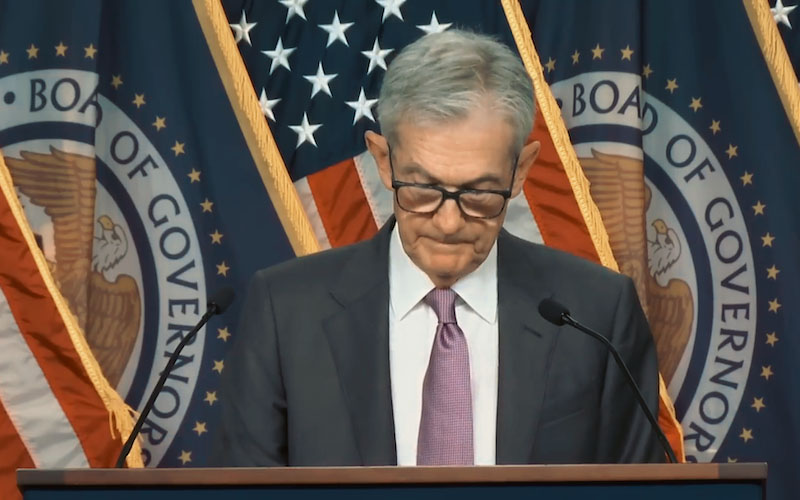
Is Trump trying to renege on his debts? The Supreme Court ruled the tariffs illegal, but the government is secretly plotting not to return a single penny.
2026-02-27 15:19:00
Last week, the U.S. Supreme Court ruled 6-3 that President Trump's broad tariff measures, implemented under the International Emergency Economic Powers Act (IEEPA), exceeded presidential authority and were illegal. This ruling dealt a significant blow to the Trump administration's trade policies but also sparked intense debate over the return of the more than $133 billion (some estimates put it as high as $160-175 billion) in tariff revenue already collected.

The Trump team is urgently exploring various legal strategies in an attempt to retain some or most of the funds, rather than returning the full amount to importers. According to sources familiar with the matter (discussing anonymous internal conversations), initial options under consideration include:
By adjusting or redefining the legal basis of tariffs, they claim that tariffs levied in the past year remain legal under new, different legal authorizations, thereby avoiding refunds.
Introducing a "priority refund" mechanism: allowing companies to choose to forgo part of their tariff payments in exchange for priority processing in the anticipatedly long refund queue.
Other administrative measures that delay or reduce the size of refunds include not proactively extending customs settlement periods or challenging refund applications on a case-by-case basis through litigation strategies.
Trump expressed confusion and dissatisfaction at a White House press conference following the ruling, saying that the Supreme Court's opinion, which took months to draft, failed to clearly address the refund issue, adding, "I guess this will take another two years of litigation." However, trade lawyers pointed out that the government actually has considerable initiative, as last year's Justice Department court documents promised a refund with interest if the case is lost, a process that normally takes about two and a half years, providing the government with a buffer period.
The White House, Treasury Department, Commerce Department, Office of the U.S. Trade Representative, and Customs and Border Protection did not respond to requests for comment. While any strategy to delay refunds will almost certainly face legal challenges and draw strong political attacks from Democrats, these discussions highlight that the Supreme Court ruling is not the end of the trade tariff dispute.
Trump views tariffs as a core economic tool, and after this setback, the government is eager to balance two dilemmas: on the one hand, retaining huge amounts of tariff revenue to protect federal finances from sudden shocks (these funds supported the massive tax cuts of last July and were touted as a long-term source that could replace some income taxes in the future); on the other hand, it needs to appease the business community, which has long been dissatisfied with trade measures.
Following the ruling, several major business groups demanded an immediate and full refund of the tariffs that were ruled invalid. FedEx became the first major company to file a lawsuit seeking a "full refund."
After the U.S. Supreme Court ruled that the tariffs imposed by Trump under the International Emergency Economic Powers Act were illegal, the Justice Department faces its first legal deadline on Friday to respond to a plaintiff's motion to expedite tax refunds through the Court of International Trade.
More than 2,000 companies have filed lawsuits, with potential tax refunds reaching $175 billion. While the Trump administration has stated that refunds could take years and expressed concern about them becoming "corporate benefits," the plaintiffs argue that the courts' swift action provides a template for relief in numerous similar cases. The Justice Department's response will reveal the government's initial stance on the refund process.
Treasury Secretary Scott Bessant and U.S. Trade Representative Jamison Greer stated over the weekend that the matter would be handled by a lower court, and the government would follow judicial procedures. However, they also reiterated their commitment to tariff principles and the swift reinstatement of similar tariff measures. In a Fox News interview, Bessant described tariff refunds as the "ultimate corporate benefit" and implied that "the American people won't see that money returned."
Over the past year, tariff revenue has played a key role in Trump's economic policies. The White House proposed distributing some of the funds directly to the public and persuaded fiscal conservatives to support massive tax cuts based on the estimated $4 trillion in tariff revenue over the next ten years. Without this revenue, the Congressional Budget Office (CBO) estimates that the tax cuts would have added an additional $3.4 trillion to the national debt. In his State of the Union address, Trump even portrayed tariffs as a permanent pillar of government finances, and even hoped that they would one day replace income taxes (although this would require a significant increase in existing tariff rates).
Currently, the Court of International Trade is preparing to handle over 1,000 cases related to refunds. Importers not involved in the original litigation are actively asserting their rights, while the Department of Justice must weigh how to defend its trade agenda. If the court finds the tariffs illegal, importers are typically entitled to a refund through customs—a complex and costly process that government officials have warned will impact federal finances.
The government still has several tools to slow down refunds: maintaining the 10-month settlement period for customs, challenging or appealing unfavorable rulings through shipment-by-shipment lawsuits, etc. Businesses are prepared for a long battle, and trade lawyers are advising them to file lawsuits as soon as possible to secure their rights. Tami Overby, a partner at DGA Government Relations Consulting, said, “Nobody expects refunds to come quickly. Trump predicted the lawsuits could drag on for years, which means the government won’t make the process easy.”
This ongoing struggle over "illegal tariff funds" will profoundly impact US fiscal stability, business confidence, and the trajectory of the global trade landscape, potentially creating a long-term structural downside for the US dollar.
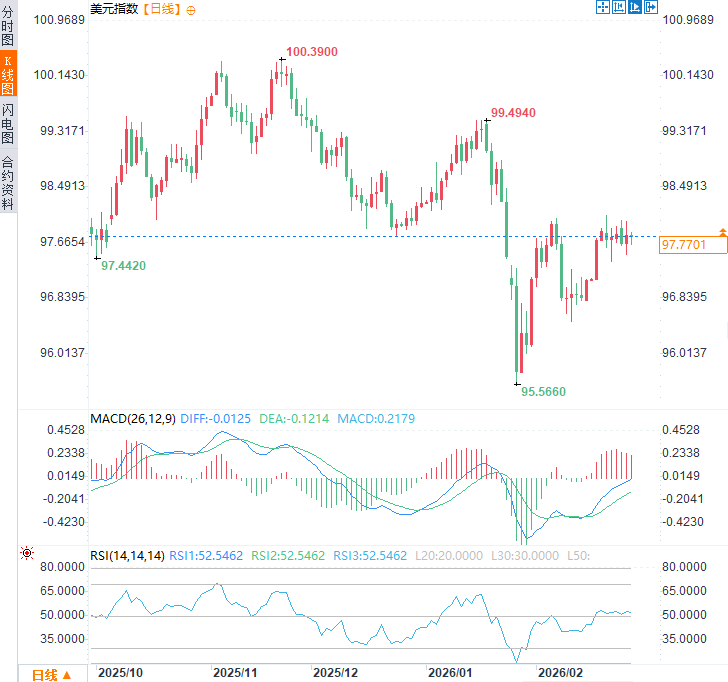
(US Dollar Index Daily Chart, Source: FX678)
At 15:18 Beijing time, the US dollar index is currently at 97.78.
The government urgently devised a strategy to preserve funds.
The Trump team is urgently exploring various legal strategies in an attempt to retain some or most of the funds, rather than returning the full amount to importers. According to sources familiar with the matter (discussing anonymous internal conversations), initial options under consideration include:
By adjusting or redefining the legal basis of tariffs, they claim that tariffs levied in the past year remain legal under new, different legal authorizations, thereby avoiding refunds.
Introducing a "priority refund" mechanism: allowing companies to choose to forgo part of their tariff payments in exchange for priority processing in the anticipatedly long refund queue.
Other administrative measures that delay or reduce the size of refunds include not proactively extending customs settlement periods or challenging refund applications on a case-by-case basis through litigation strategies.
Trump expressed confusion and dissatisfaction at a White House press conference following the ruling, saying that the Supreme Court's opinion, which took months to draft, failed to clearly address the refund issue, adding, "I guess this will take another two years of litigation." However, trade lawyers pointed out that the government actually has considerable initiative, as last year's Justice Department court documents promised a refund with interest if the case is lost, a process that normally takes about two and a half years, providing the government with a buffer period.
A Dilemma: Financial Protection vs. Appeasing the Business Community
The White House, Treasury Department, Commerce Department, Office of the U.S. Trade Representative, and Customs and Border Protection did not respond to requests for comment. While any strategy to delay refunds will almost certainly face legal challenges and draw strong political attacks from Democrats, these discussions highlight that the Supreme Court ruling is not the end of the trade tariff dispute.
Trump views tariffs as a core economic tool, and after this setback, the government is eager to balance two dilemmas: on the one hand, retaining huge amounts of tariff revenue to protect federal finances from sudden shocks (these funds supported the massive tax cuts of last July and were touted as a long-term source that could replace some income taxes in the future); on the other hand, it needs to appease the business community, which has long been dissatisfied with trade measures.
Following the ruling, several major business groups demanded an immediate and full refund of the tariffs that were ruled invalid. FedEx became the first major company to file a lawsuit seeking a "full refund."
The Department of Justice must respond to the controversy surrounding the first batch of tariff refunds by Friday.
After the U.S. Supreme Court ruled that the tariffs imposed by Trump under the International Emergency Economic Powers Act were illegal, the Justice Department faces its first legal deadline on Friday to respond to a plaintiff's motion to expedite tax refunds through the Court of International Trade.
More than 2,000 companies have filed lawsuits, with potential tax refunds reaching $175 billion. While the Trump administration has stated that refunds could take years and expressed concern about them becoming "corporate benefits," the plaintiffs argue that the courts' swift action provides a template for relief in numerous similar cases. The Justice Department's response will reveal the government's initial stance on the refund process.
Officials' public statements and adherence to tariff principles
Treasury Secretary Scott Bessant and U.S. Trade Representative Jamison Greer stated over the weekend that the matter would be handled by a lower court, and the government would follow judicial procedures. However, they also reiterated their commitment to tariff principles and the swift reinstatement of similar tariff measures. In a Fox News interview, Bessant described tariff refunds as the "ultimate corporate benefit" and implied that "the American people won't see that money returned."
Tariffs at the heart of Trump's economic blueprint
Over the past year, tariff revenue has played a key role in Trump's economic policies. The White House proposed distributing some of the funds directly to the public and persuaded fiscal conservatives to support massive tax cuts based on the estimated $4 trillion in tariff revenue over the next ten years. Without this revenue, the Congressional Budget Office (CBO) estimates that the tax cuts would have added an additional $3.4 trillion to the national debt. In his State of the Union address, Trump even portrayed tariffs as a permanent pillar of government finances, and even hoped that they would one day replace income taxes (although this would require a significant increase in existing tariff rates).
Refund Prospects: Protracted Litigation and Government Delay Tools
Currently, the Court of International Trade is preparing to handle over 1,000 cases related to refunds. Importers not involved in the original litigation are actively asserting their rights, while the Department of Justice must weigh how to defend its trade agenda. If the court finds the tariffs illegal, importers are typically entitled to a refund through customs—a complex and costly process that government officials have warned will impact federal finances.
The government still has several tools to slow down refunds: maintaining the 10-month settlement period for customs, challenging or appealing unfavorable rulings through shipment-by-shipment lawsuits, etc. Businesses are prepared for a long battle, and trade lawyers are advising them to file lawsuits as soon as possible to secure their rights. Tami Overby, a partner at DGA Government Relations Consulting, said, “Nobody expects refunds to come quickly. Trump predicted the lawsuits could drag on for years, which means the government won’t make the process easy.”
This ongoing struggle over "illegal tariff funds" will profoundly impact US fiscal stability, business confidence, and the trajectory of the global trade landscape, potentially creating a long-term structural downside for the US dollar.
(US Dollar Index Daily Chart, Source: FX678)
At 15:18 Beijing time, the US dollar index is currently at 97.78.
- Risk Warning and Disclaimer
- The market involves risk, and trading may not be suitable for all investors. This article is for reference only and does not constitute personal investment advice, nor does it take into account certain users’ specific investment objectives, financial situation, or other needs. Any investment decisions made based on this information are at your own risk.