Escalating US-Israeli conflict over Iran: Geopolitical risks reshape global markets
2026-03-02 22:12:03
In early March 2026, the United States and Israel launched a large-scale precision strike against Iran, targeting nuclear facilities, military bases, and the core of Iran's power structure, resulting in the death of Iran's Supreme Leader Ali Khamenei. This is widely seen as an attempt to force Iran to strategically retreat by rapidly weakening its decision-making center.
However, the tactical success of the operation did not automatically translate into strategic convergence. Iran swiftly retaliated, with missile and drone strikes affecting Israel and economic facilities in some Gulf states. While the conflict did not spill over in intensity, it had clearly evolved from a single-point attack into a two-way cycle of retaliation.

The real change lies in the shift in the nature of the conflict—from high-intensity, short-term deterrence to a possible medium-term attrition game.
Energy variables: the core of risk premium pricing
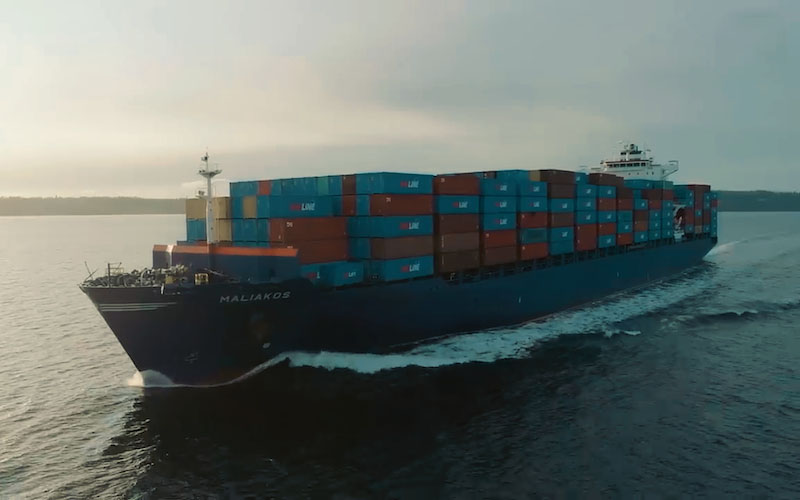
The sharp drop in shipping traffic in the Strait of Hormuz is the core driver of this round of market volatility. This waterway normally handles approximately 16 million barrels of crude oil per day, but this has now dropped to around 4 million barrels per day. Crucially, this decline is primarily due to soaring insurance rates and shipping companies' proactive risk aversion, rather than a complete military blockade.
Brent crude oil prices surged above $80, briefly approaching $82. Goldman Sachs believes that current oil prices already include a geopolitical risk premium of approximately $18 per barrel, assuming a multi-week disruption in the Straits; if transportation resumes quickly, the premium will significantly decrease. JPMorgan Chase points out that the current situation resembles a "precautionary tightening," but if restrictions persist for three to four weeks or more, Brent breaking through $100 is not the final scenario. Citigroup predicts that Brent will fluctuate between $80 and $90 in the short term, and if the situation de-escalates, prices may fall back to around $70.
The implicit premise of the energy market is that "shocks are controllable and limited in duration." If this premise is broken, the correlation between oil prices and inflation expectations will be further strengthened.
Asset Reaction: Inflation Trading Dominates Rather Than Panic
The overall stock market correction was limited, with S&P 500 futures falling by about 1.5% to 1.7%, and the STOXX Europe 600 down about 1.7%. Energy and defense sectors rose, while high-valuation growth stocks came under pressure, indicating that the market is undergoing structural repricing.
Gold broke through $5,400/ounce, but US Treasury yields did not decline significantly, instead rising slightly. The stronger dollar and weaker yen are also noteworthy. This combination suggests that the core of market trading is not risk aversion or panic, but rather a repricing of the inflationary risks brought about by the energy shock. Expectations for interest rate cuts have contracted, and uncertainty surrounding the policy path is increasing.
Iran's resilience: Why the conflict may not quickly achieve its goals.
One initial assumption was that a high-level strike would weaken Iran's decision-making capacity, forcing a policy shift. However, Iran's power structure is highly institutionalized, particularly the deep integration of the Islamic Revolutionary Guard Corps into the political, economic, and security systems, meaning the regime is not a single point of failure. Leadership transitions follow established mechanisms, and the military possesses relatively independent execution capabilities.
Furthermore, Iran has long been under sanctions, and its economic and military systems have operated under high pressure for years, making its "low-cost asymmetric response" capability a force to be reckoned with. The use of drones, missiles, and proxy networks is far less expensive than a full-scale war, yet sufficient to maintain regional tensions. This model allows conflict to persist with relatively low resource consumption, thereby extending the uncertainty cycle in the market.
In other words, if the strategic goal is to rapidly weaken the opponent and force them to make concessions, then the reality may be more complex than expected.
Possible paths to resolving conflict: constraints and game theory
Despite the rising risks, there are several possible de-escalation paths for the conflict. First, the dramatic fluctuations in the energy market themselves impose constraints on all parties. If oil prices exceed $100, it will have a significant impact on the global economy and put pressure on both major consuming and producing countries. Against the backdrop of rapidly rising economic costs, the parties may seek limited de-escalation through third-party mediation or indirect channels.
Secondly, the marginal returns to military objectives diminish. If further strikes fail to yield substantial strategic gains while increasing spillover risks, rational decision-makers may favor "controlled retaliation" rather than a full-scale escalation. Historical experience shows that many conflicts in the Middle East have entered a relatively frozen state after achieving some "declarable results."
Furthermore, internal stability is also a constraint. If prolonged conflict leads to a significant increase in domestic economic pressure, all parties will face internal cost considerations. If the expected political or security gains cannot be achieved in achieving the objectives of the war, strategic adjustments often follow.
Therefore, the conflict may continue due to the logic of a war of attrition, or it may cool down in stages due to the imbalance between costs and benefits.
Conclusion: A Dual Game of Time and Cost
Current market pricing is more about the "impact of events" than the "duration of those events." What truly determines oil prices, inflation, and policy paths is how long energy disruptions can last and whether the conflict will escalate into a low-intensity, long-term struggle.
The resilience of the Iranian regime means that achieving strategic objectives quickly is not a certainty; meanwhile, rising energy and global economic costs create a real incentive for de-escalation of the conflict. The market needs to find a balance between resilience and cost constraints.
In this environment, the core variable in asset pricing is no longer a single geopolitical event, but rather a dual interplay of time and cost. The importance of risk management is surpassing that of directional judgment itself.
However, the tactical success of the operation did not automatically translate into strategic convergence. Iran swiftly retaliated, with missile and drone strikes affecting Israel and economic facilities in some Gulf states. While the conflict did not spill over in intensity, it had clearly evolved from a single-point attack into a two-way cycle of retaliation.
The real change lies in the shift in the nature of the conflict—from high-intensity, short-term deterrence to a possible medium-term attrition game.
Energy variables: the core of risk premium pricing
The sharp drop in shipping traffic in the Strait of Hormuz is the core driver of this round of market volatility. This waterway normally handles approximately 16 million barrels of crude oil per day, but this has now dropped to around 4 million barrels per day. Crucially, this decline is primarily due to soaring insurance rates and shipping companies' proactive risk aversion, rather than a complete military blockade.
Brent crude oil prices surged above $80, briefly approaching $82. Goldman Sachs believes that current oil prices already include a geopolitical risk premium of approximately $18 per barrel, assuming a multi-week disruption in the Straits; if transportation resumes quickly, the premium will significantly decrease. JPMorgan Chase points out that the current situation resembles a "precautionary tightening," but if restrictions persist for three to four weeks or more, Brent breaking through $100 is not the final scenario. Citigroup predicts that Brent will fluctuate between $80 and $90 in the short term, and if the situation de-escalates, prices may fall back to around $70.
The implicit premise of the energy market is that "shocks are controllable and limited in duration." If this premise is broken, the correlation between oil prices and inflation expectations will be further strengthened.
Asset Reaction: Inflation Trading Dominates Rather Than Panic
The overall stock market correction was limited, with S&P 500 futures falling by about 1.5% to 1.7%, and the STOXX Europe 600 down about 1.7%. Energy and defense sectors rose, while high-valuation growth stocks came under pressure, indicating that the market is undergoing structural repricing.
Gold broke through $5,400/ounce, but US Treasury yields did not decline significantly, instead rising slightly. The stronger dollar and weaker yen are also noteworthy. This combination suggests that the core of market trading is not risk aversion or panic, but rather a repricing of the inflationary risks brought about by the energy shock. Expectations for interest rate cuts have contracted, and uncertainty surrounding the policy path is increasing.
Iran's resilience: Why the conflict may not quickly achieve its goals.
One initial assumption was that a high-level strike would weaken Iran's decision-making capacity, forcing a policy shift. However, Iran's power structure is highly institutionalized, particularly the deep integration of the Islamic Revolutionary Guard Corps into the political, economic, and security systems, meaning the regime is not a single point of failure. Leadership transitions follow established mechanisms, and the military possesses relatively independent execution capabilities.
Furthermore, Iran has long been under sanctions, and its economic and military systems have operated under high pressure for years, making its "low-cost asymmetric response" capability a force to be reckoned with. The use of drones, missiles, and proxy networks is far less expensive than a full-scale war, yet sufficient to maintain regional tensions. This model allows conflict to persist with relatively low resource consumption, thereby extending the uncertainty cycle in the market.
In other words, if the strategic goal is to rapidly weaken the opponent and force them to make concessions, then the reality may be more complex than expected.
Possible paths to resolving conflict: constraints and game theory
Despite the rising risks, there are several possible de-escalation paths for the conflict. First, the dramatic fluctuations in the energy market themselves impose constraints on all parties. If oil prices exceed $100, it will have a significant impact on the global economy and put pressure on both major consuming and producing countries. Against the backdrop of rapidly rising economic costs, the parties may seek limited de-escalation through third-party mediation or indirect channels.
Secondly, the marginal returns to military objectives diminish. If further strikes fail to yield substantial strategic gains while increasing spillover risks, rational decision-makers may favor "controlled retaliation" rather than a full-scale escalation. Historical experience shows that many conflicts in the Middle East have entered a relatively frozen state after achieving some "declarable results."
Furthermore, internal stability is also a constraint. If prolonged conflict leads to a significant increase in domestic economic pressure, all parties will face internal cost considerations. If the expected political or security gains cannot be achieved in achieving the objectives of the war, strategic adjustments often follow.
Therefore, the conflict may continue due to the logic of a war of attrition, or it may cool down in stages due to the imbalance between costs and benefits.
Conclusion: A Dual Game of Time and Cost
Current market pricing is more about the "impact of events" than the "duration of those events." What truly determines oil prices, inflation, and policy paths is how long energy disruptions can last and whether the conflict will escalate into a low-intensity, long-term struggle.
The resilience of the Iranian regime means that achieving strategic objectives quickly is not a certainty; meanwhile, rising energy and global economic costs create a real incentive for de-escalation of the conflict. The market needs to find a balance between resilience and cost constraints.
In this environment, the core variable in asset pricing is no longer a single geopolitical event, but rather a dual interplay of time and cost. The importance of risk management is surpassing that of directional judgment itself.
- Risk Warning and Disclaimer
- The market involves risk, and trading may not be suitable for all investors. This article is for reference only and does not constitute personal investment advice, nor does it take into account certain users’ specific investment objectives, financial situation, or other needs. Any investment decisions made based on this information are at your own risk.