Geopolitical risks drive up TTF gas prices, causing precious metals to fall from their highs: Is this a sign of ineffective hedging or a repricing of capital structures?
2026-03-03 07:43:05
I. Why did the energy sector experience the first surge?
The recent rapid increase in European benchmark gas prices—TTF Gas Futures—is fundamentally driven by the following logic:
1. Direct threats to supply chains from geopolitical situations
If energy transportation routes are disrupted, the supply of natural gas and crude oil is expected to tighten immediately, and their price elasticity is much higher than that of metal assets.
2. Inventory sensitivity amplifies fluctuations.
Although European natural gas inventories are in a relatively safe zone, the expected cost of replenishing inventories in the futures market has been rapidly revised upward, and funds rushing to buy have pushed up futures prices.
3. Oil and Gas Linkage Mechanism
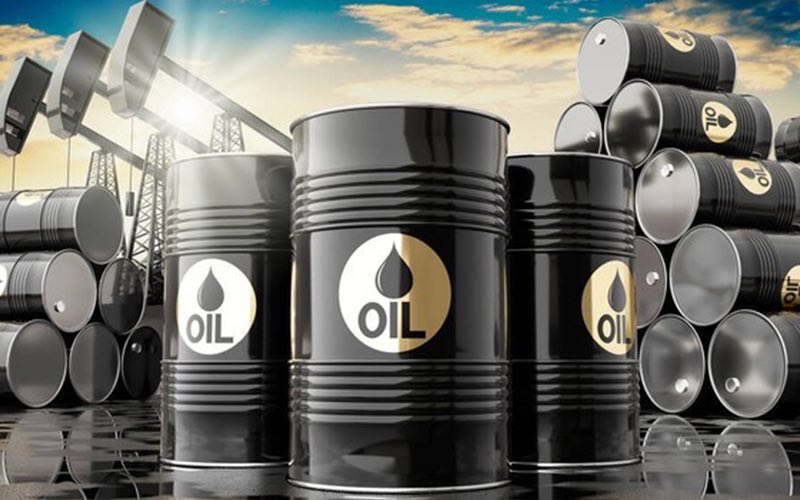
Crude oil prices rose in tandem, reinforcing expectations of rising energy costs and further amplifying gas price volatility.
Energy is subject to "physical supply risk pricing," while precious metals are more inclined to "financial risk pricing," and the two react at different paces in the early stages of a conflict.
II. Why did gold and silver prices fall instead of rise?
On the surface, geopolitical conflicts usually benefit gold. However, the overnight plunge may be based on the following three points:
1. Technical resistance at high levels: Gold has already been trading in historically high territory, and the market is crowded with bullish positions. If there is insufficient new safe-haven funds, prices are likely to trigger profit-taking.
2. Rising Real Interest Rate Expectations: If rising energy prices strengthen inflation expectations, the market may reprice interest rates, pushing up real yields and thus suppressing gold prices. Gold is extremely sensitive to real interest rates.
3. The US dollar has stabilized in stages: Risk aversion sometimes flows to US dollar liquidity rather than gold itself, putting pressure on precious metals.
Structurally, risk aversion increased volatility but failed to generate a trend of increased buying.
IV. A Structural Outlook for the Futures Market
1. Natural Gas Futures
If tensions persist: near-month contracts may see larger gains than far-month contracts (backwardation); volatility will remain high; and price corrections will be limited by inventory and weather factors.
2. Crude oil futures
If oil prices break through key technical resistance, bulls may increase their positions further; however, if high oil prices suppress demand expectations, the long-term curve may flatten.
3. Gold Futures: Key observation points: Whether it breaks below the medium-term moving average support; if the CFTC position shows a decrease in net long positions, it means that capital outflow is confirmed; if real interest rates continue to rise, gold prices may enter a high-level consolidation zone.
The short-term structure is more likely to be characterized by high volatility and range-bound trading, rather than trend continuation.
4. Silver Futures
Silver possesses both industrial and financial attributes: if global manufacturing expectations do not improve, silver prices will be less elastic than gold; the gold-silver ratio may rebound in stages.
V. Scenario Deduction

Editor's Note:
The current market is not experiencing a "failure of hedging," but rather a diversion of hedging channels. Funds are prioritizing pricing in energy supply risks, rather than systemic financial risks.
Gold had already priced in safe-haven expectations, and with a lack of new fundamental catalysts at its high levels, it has been more characterized by increased volatility than a trend breakout.
If oil prices continue to rise and push up real interest rates, gold may come under pressure; only when the conflict escalates to the point of affecting the stability of the global financial system will precious metals regain sustained buying interest.
In the short term, the energy sector is stronger than precious metals; the medium-term trend depends on whether inflation and interest rate expectations are repriced.
The recent rapid increase in European benchmark gas prices—TTF Gas Futures—is fundamentally driven by the following logic:
1. Direct threats to supply chains from geopolitical situations
If energy transportation routes are disrupted, the supply of natural gas and crude oil is expected to tighten immediately, and their price elasticity is much higher than that of metal assets.
2. Inventory sensitivity amplifies fluctuations.
Although European natural gas inventories are in a relatively safe zone, the expected cost of replenishing inventories in the futures market has been rapidly revised upward, and funds rushing to buy have pushed up futures prices.
3. Oil and Gas Linkage Mechanism
Crude oil prices rose in tandem, reinforcing expectations of rising energy costs and further amplifying gas price volatility.
Energy is subject to "physical supply risk pricing," while precious metals are more inclined to "financial risk pricing," and the two react at different paces in the early stages of a conflict.
II. Why did gold and silver prices fall instead of rise?
On the surface, geopolitical conflicts usually benefit gold. However, the overnight plunge may be based on the following three points:
1. Technical resistance at high levels: Gold has already been trading in historically high territory, and the market is crowded with bullish positions. If there is insufficient new safe-haven funds, prices are likely to trigger profit-taking.
2. Rising Real Interest Rate Expectations: If rising energy prices strengthen inflation expectations, the market may reprice interest rates, pushing up real yields and thus suppressing gold prices. Gold is extremely sensitive to real interest rates.
3. The US dollar has stabilized in stages: Risk aversion sometimes flows to US dollar liquidity rather than gold itself, putting pressure on precious metals.
Structurally, risk aversion increased volatility but failed to generate a trend of increased buying.
IV. A Structural Outlook for the Futures Market
1. Natural Gas Futures
If tensions persist: near-month contracts may see larger gains than far-month contracts (backwardation); volatility will remain high; and price corrections will be limited by inventory and weather factors.
2. Crude oil futures
If oil prices break through key technical resistance, bulls may increase their positions further; however, if high oil prices suppress demand expectations, the long-term curve may flatten.
3. Gold Futures: Key observation points: Whether it breaks below the medium-term moving average support; if the CFTC position shows a decrease in net long positions, it means that capital outflow is confirmed; if real interest rates continue to rise, gold prices may enter a high-level consolidation zone.
The short-term structure is more likely to be characterized by high volatility and range-bound trading, rather than trend continuation.
4. Silver Futures
Silver possesses both industrial and financial attributes: if global manufacturing expectations do not improve, silver prices will be less elastic than gold; the gold-silver ratio may rebound in stages.
V. Scenario Deduction
Editor's Note:
The current market is not experiencing a "failure of hedging," but rather a diversion of hedging channels. Funds are prioritizing pricing in energy supply risks, rather than systemic financial risks.
Gold had already priced in safe-haven expectations, and with a lack of new fundamental catalysts at its high levels, it has been more characterized by increased volatility than a trend breakout.
If oil prices continue to rise and push up real interest rates, gold may come under pressure; only when the conflict escalates to the point of affecting the stability of the global financial system will precious metals regain sustained buying interest.
In the short term, the energy sector is stronger than precious metals; the medium-term trend depends on whether inflation and interest rate expectations are repriced.
- Risk Warning and Disclaimer
- The market involves risk, and trading may not be suitable for all investors. This article is for reference only and does not constitute personal investment advice, nor does it take into account certain users’ specific investment objectives, financial situation, or other needs. Any investment decisions made based on this information are at your own risk.