Safe-haven demand and technology join forces! Is the gold rebound a rallying cry for bulls?
2026-03-04 20:20:44
On Wednesday (March 4), spot gold rebounded during the Asian and European sessions, currently trading up 2.11% around 5194.
The Middle East conflict has entered a critical phase, geopolitical uncertainty is gradually easing, and Iran is expected to elect a new supreme leader before next week.
Despite statements from Iranian officials indicating no intention to negotiate with the US and a willingness to deal with the conflict in the long term, the policy that the newly elected leader will adopt in the face of war remains uncertain. Meanwhile, Trump has announced political risk insurance and naval escorts for ships in the Strait of Hormuz, aiming to ensure the smooth flow of this strategic waterway that carries 20% of the world's oil and gas shipments. This has directly eased expectations of an energy supply crisis, and oil prices have also corrected during the Asian and European trading sessions.
According to Iranian media reports, expert council member Hatami Grand Ayatollah stated that the leader candidate has been determined.
The Leadership Council is currently acting as the governing body for the country and will appoint a new Supreme Leader as soon as possible.
The expert panel responsible for the election has postponed the final vote until next week, after Khamenei's funeral. The meeting will be held under the highest level of security. Iranian media revealed that the candidate has been determined, and the leader council is currently acting on behalf of the state. The appointment of the new leader will be completed as soon as possible, and the smooth transition of power will effectively alleviate the risk of the situation spiraling out of control.
JPMorgan Chase, Moody's Analytics, and other institutions believe that as long as the conflict does not become protracted, the rise in oil prices will be manageable, and the surge in inflation will not be repeated, nor will it completely reverse the downward trend of US inflation.
The US military action has driven up energy prices, posing a challenge to US inflation, but the overall impact is manageable.
Trump announced that he has ordered the U.S. International Development Finance Corporation (DFC) to provide political risk insurance and guarantees for the financial security of all maritime trade (especially energy trade) transiting the Gulf region.
Current oil prices remain well below the highs seen during the Russia-Ukraine conflict in 2022. Coupled with recent market expectations of limited Iranian crude oil supply and Trump's rhetoric regarding shipping insurance and naval escort, the upward momentum of oil prices is expected to slow.
Federal Reserve official Williams' dovish remarks provided policy support for gold.
It clearly states that the current policy interest rate is slightly higher than the neutral level, and the core logic of the interest rate cut is to stabilize the real interest rate during the process of inflation decline and gradually move it closer to the neutral interest rate;
It also pointed out that the conflict between Iran and the conflict between Russia and Ukraine are not directly comparable, the sustainability of the oil shock remains unclear, the Federal Reserve will not change its policy path due to short-term geopolitical disturbances, and market expectations for easing still exist.
Meanwhile, both the US dollar index and US Treasury yields showed a pattern of rising and then falling, suggesting that the easing of inflation expectations has provided a breather for recently declining assets.
As discussed in yesterday's article, rising oil prices and inflation will drive up base interest rates. At the same time, the recent rapid rise in gold and other precious metals has given these traditional safe-haven assets some of the characteristics of risk assets. These two factors have led to gold prices and technology stocks exhibiting similar characteristics and trends recently.
In today's Asia-Pacific markets, the South Korean stock market experienced a continuous sharp decline, closing down 12% today. Following this, the government released clear guidance to prevent a contraction in risk appetite.
South Korea's financial regulators said they would launch a 100 trillion won market stabilization plan if market volatility intensifies. The South Korean finance minister also emphasized that the sharp drop in stocks and currency was due to external factors rather than a deterioration in domestic fundamentals. The regulators and the ruling party will hold a meeting to address the domestic equity market in a targeted manner. Global market panic is gradually subsiding.
This window guidance also suggests that the recent plunge in the South Korean stock market may be coming to a turn. As a result, European stock markets opened higher and continued to rise, while the three major US mini stock index futures also turned positive after falling by more than 1%.
Meanwhile, the rebound in gold and silver preceded that of the others, as if the rallying cry for a counterattack had been sounded ahead of time. Funds in precious metals are more astute and chose their direction earlier, which is one of the important reasons supporting the rise in the equity market. These two assets with different attributes are expected to rise in tandem in the near future.
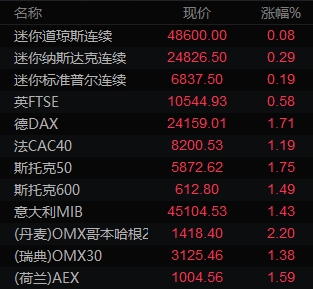
From the election of a new leader in Iran to the US emphasizing the restoration of the Strait of Hormuz, from the collapse of the South Korean equity market but the rise in gold and silver prices instead of falling, to the post-market guidance from South Korean officials, overall market risk appetite is recovering and inflationary tensions are easing. Gold and silver precious metals are expected to start a synchronized rebound with technology stocks. In other words, under the current conditions, any decline in gold prices is likely a buying opportunity.
From a technical perspective, spot gold held the key price level of 5123, and the price rebounded above the lower rail of the upward channel. Although the long-term outlook is bullish against the backdrop of geopolitics, the market may fluctuate in the near term. Every time the price deviates from an important key price level, it may become the starting point of a reversal.
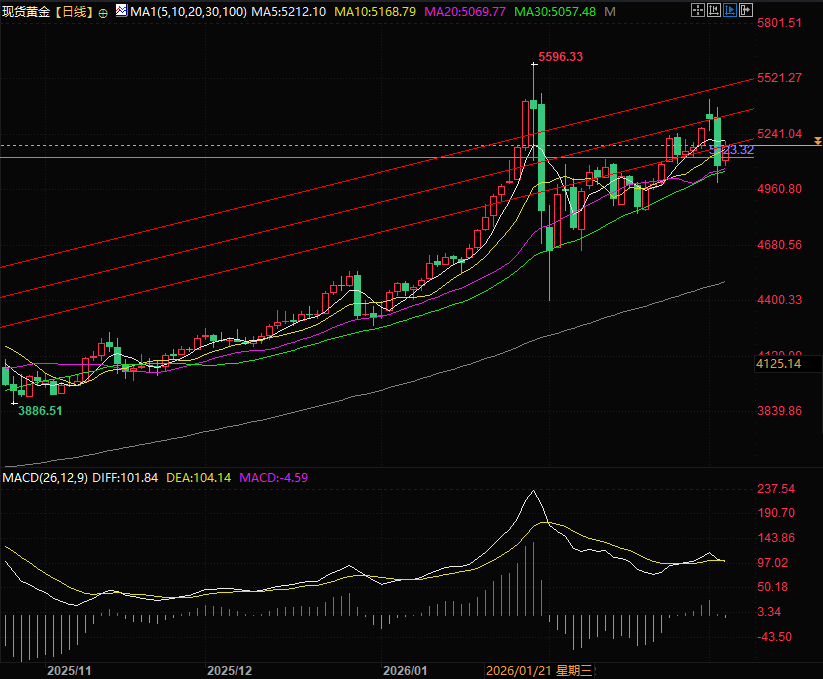
(Spot gold daily chart, source: FX678)
At 20:17 Beijing time, spot gold was trading at $5,183 per ounce.
The Middle East conflict has entered a critical phase, geopolitical uncertainty is gradually easing, and Iran is expected to elect a new supreme leader before next week.
Despite statements from Iranian officials indicating no intention to negotiate with the US and a willingness to deal with the conflict in the long term, the policy that the newly elected leader will adopt in the face of war remains uncertain. Meanwhile, Trump has announced political risk insurance and naval escorts for ships in the Strait of Hormuz, aiming to ensure the smooth flow of this strategic waterway that carries 20% of the world's oil and gas shipments. This has directly eased expectations of an energy supply crisis, and oil prices have also corrected during the Asian and European trading sessions.
Iran's new leader's arrival is on time to ease the risk of the situation spiraling out of control.
According to Iranian media reports, expert council member Hatami Grand Ayatollah stated that the leader candidate has been determined.
The Leadership Council is currently acting as the governing body for the country and will appoint a new Supreme Leader as soon as possible.
The expert panel responsible for the election has postponed the final vote until next week, after Khamenei's funeral. The meeting will be held under the highest level of security. Iranian media revealed that the candidate has been determined, and the leader council is currently acting on behalf of the state. The appointment of the new leader will be completed as soon as possible, and the smooth transition of power will effectively alleviate the risk of the situation spiraling out of control.
Energy inflation impact limited; most institutions predict the effect is controllable.
JPMorgan Chase, Moody's Analytics, and other institutions believe that as long as the conflict does not become protracted, the rise in oil prices will be manageable, and the surge in inflation will not be repeated, nor will it completely reverse the downward trend of US inflation.
The US military action has driven up energy prices, posing a challenge to US inflation, but the overall impact is manageable.
Trump announced that he has ordered the U.S. International Development Finance Corporation (DFC) to provide political risk insurance and guarantees for the financial security of all maritime trade (especially energy trade) transiting the Gulf region.
Current oil prices remain well below the highs seen during the Russia-Ukraine conflict in 2022. Coupled with recent market expectations of limited Iranian crude oil supply and Trump's rhetoric regarding shipping insurance and naval escort, the upward momentum of oil prices is expected to slow.
The Fed's dovish signals have not overturned the logic behind its rate cuts.
Federal Reserve official Williams' dovish remarks provided policy support for gold.
It clearly states that the current policy interest rate is slightly higher than the neutral level, and the core logic of the interest rate cut is to stabilize the real interest rate during the process of inflation decline and gradually move it closer to the neutral interest rate;
It also pointed out that the conflict between Iran and the conflict between Russia and Ukraine are not directly comparable, the sustainability of the oil shock remains unclear, the Federal Reserve will not change its policy path due to short-term geopolitical disturbances, and market expectations for easing still exist.
Meanwhile, both the US dollar index and US Treasury yields showed a pattern of rising and then falling, suggesting that the easing of inflation expectations has provided a breather for recently declining assets.
Asia-Pacific region strongly stabilizes global risk sentiment and restores it.
As discussed in yesterday's article, rising oil prices and inflation will drive up base interest rates. At the same time, the recent rapid rise in gold and other precious metals has given these traditional safe-haven assets some of the characteristics of risk assets. These two factors have led to gold prices and technology stocks exhibiting similar characteristics and trends recently.
In today's Asia-Pacific markets, the South Korean stock market experienced a continuous sharp decline, closing down 12% today. Following this, the government released clear guidance to prevent a contraction in risk appetite.
South Korea's financial regulators said they would launch a 100 trillion won market stabilization plan if market volatility intensifies. The South Korean finance minister also emphasized that the sharp drop in stocks and currency was due to external factors rather than a deterioration in domestic fundamentals. The regulators and the ruling party will hold a meeting to address the domestic equity market in a targeted manner. Global market panic is gradually subsiding.
This window guidance also suggests that the recent plunge in the South Korean stock market may be coming to a turn. As a result, European stock markets opened higher and continued to rise, while the three major US mini stock index futures also turned positive after falling by more than 1%.
Meanwhile, the rebound in gold and silver preceded that of the others, as if the rallying cry for a counterattack had been sounded ahead of time. Funds in precious metals are more astute and chose their direction earlier, which is one of the important reasons supporting the rise in the equity market. These two assets with different attributes are expected to rise in tandem in the near future.
Summary and Technical Analysis:
From the election of a new leader in Iran to the US emphasizing the restoration of the Strait of Hormuz, from the collapse of the South Korean equity market but the rise in gold and silver prices instead of falling, to the post-market guidance from South Korean officials, overall market risk appetite is recovering and inflationary tensions are easing. Gold and silver precious metals are expected to start a synchronized rebound with technology stocks. In other words, under the current conditions, any decline in gold prices is likely a buying opportunity.
From a technical perspective, spot gold held the key price level of 5123, and the price rebounded above the lower rail of the upward channel. Although the long-term outlook is bullish against the backdrop of geopolitics, the market may fluctuate in the near term. Every time the price deviates from an important key price level, it may become the starting point of a reversal.
(Spot gold daily chart, source: FX678)
At 20:17 Beijing time, spot gold was trading at $5,183 per ounce.
- Risk Warning and Disclaimer
- The market involves risk, and trading may not be suitable for all investors. This article is for reference only and does not constitute personal investment advice, nor does it take into account certain users’ specific investment objectives, financial situation, or other needs. Any investment decisions made based on this information are at your own risk.