ADP data shows a stunning reversal! Does the surge in February jobs conceal a major economic shift?
2026-03-04 21:48:32
With labor market data continuing to show positive signs since the beginning of 2026, U.S. private sector employment saw a significant improvement in February. The latest ADP National Employment Report shows that private employers added 63,000 jobs that month, exceeding market expectations of 50,000 and a substantial rebound from the revised 11,000 in the previous month.

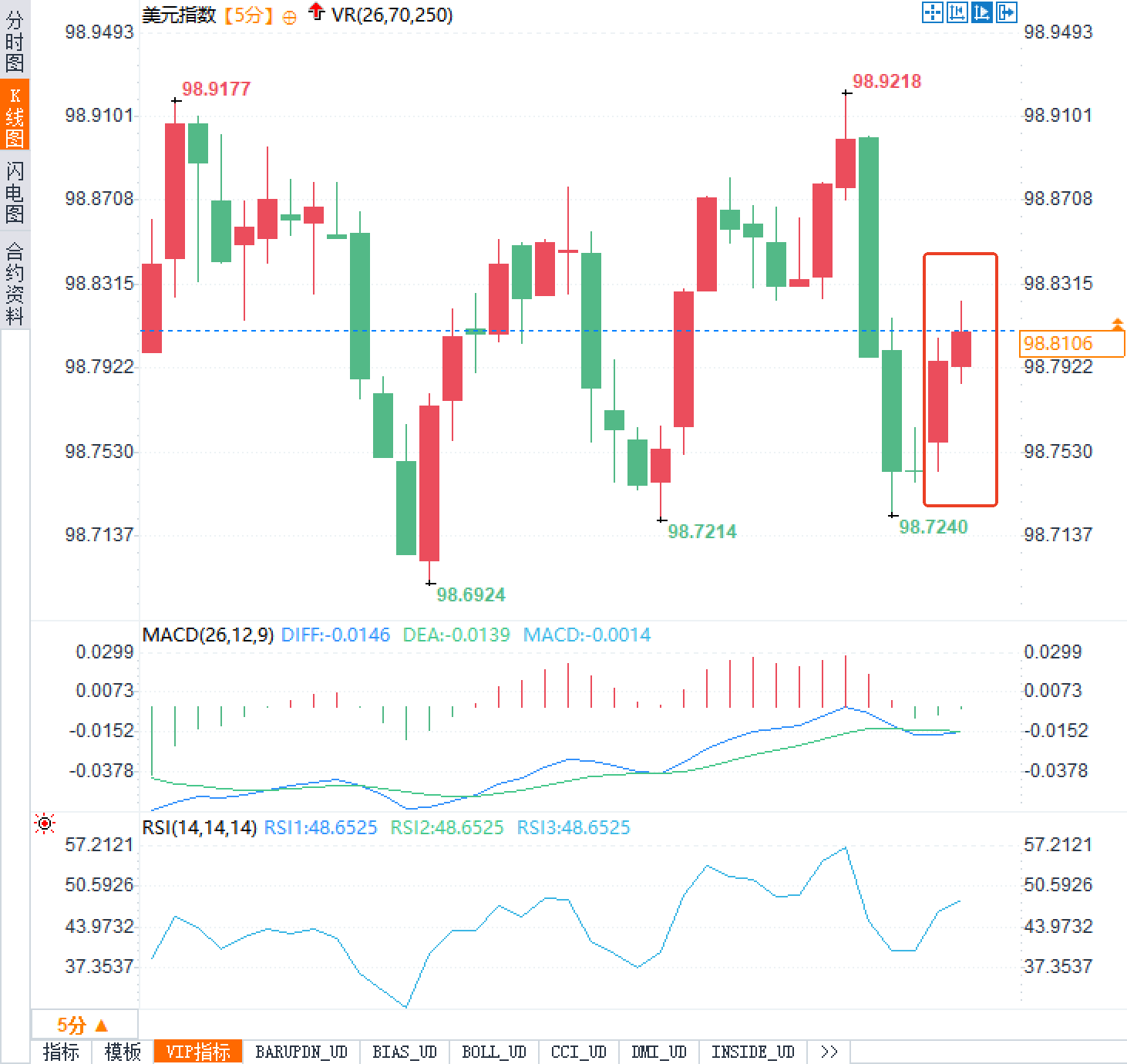
The strong performance of this leading indicator provides a positive reference for the upcoming official employment data. Looking back over the past few months, employment growth has gradually shifted from a significant contraction in November 2025 to a moderate recovery, and the February data further confirmed this upward trend. However, the US dollar index reacted relatively mildly to this.
The key highlight of this year's ADP report is the better-than-expected job growth. The private sector added 63,000 jobs, indicating that pessimistic market expectations for the employment outlook have been overturned by the actual data. The previous figure was revised down from the initially reported 22,000 to 11,000, and this data not only reversed the downward trend but also represents one of the better-than-expected levels in recent times. Breaking it down, the goods-producing sector added 16,000 jobs, a significant jump from the mere 1,000 added in the previous month, reflecting a possible stabilization and recovery in manufacturing and related sectors. The service sector contributed 47,000 new jobs, compared to 21,000 in the previous month, continuing its role as a major contributor to employment.
For clear comparison, the following is a table of key indicator data:
Looking at the data from the perspective of enterprise size, small businesses were the biggest bright spot, adding 60,000 new jobs, compared to zero growth last month. Medium-sized enterprises saw a decrease of 7,000 jobs, contrasting with the 41,000 increase last month. Large enterprises added 10,000 jobs, an improvement from the 18,000 decrease last month. This distribution suggests that the employment recovery is driven more by SMEs, which are often more sensitive to economic cycles, and their expansion may foreshadow a broader recovery in business activity.
Overall, the steady improvement in the job market since the beginning of 2026 contrasts sharply with the volatility in the second half of 2025. After adding 42,000 jobs in October 2025, November saw a decrease of 32,000, the largest drop since March 2023. December saw a slight rebound to 41,000, primarily driven by the education, health, and leisure and hospitality sectors. Entering 2026, a weak January followed by a rebound in February validated the resilience of the labor market. This trend warrants continued monitoring, as private sector employment is a crucial barometer of economic vitality.
Beyond employment figures, salary data also provides important insights. The annual salary growth rate for retained employees was 4.5%, unchanged from the previous month, indicating stable wage pressure. The salary increase for employees who changed jobs was 6.3%, slightly lower than the 6.4% increase in the previous month, but still within a relatively high range. The salary dynamics of these two groups together paint a picture of a relatively balanced labor market supply and demand, without any significant acceleration or slowdown.
The moderate pace of wage growth has multiple implications. First, it helps alleviate potential cost-push inflationary pressures, as employers' spending on existing staff has not accelerated. Second, the slight decline in the premium for job-hoppers may reflect changes in labor mobility or a slight easing of competition in the hiring market. Historical data shows that since October 2025, wage growth for retained employees has fluctuated around 4.4% to 4.5%, indicating that the wage environment is gradually returning to normal from its post-pandemic peak. This stable performance, combined with the recovery in employment, outlines a possible path to a soft landing for the labor market.
The strong performance of this leading indicator provides a positive reference for the upcoming official employment data. Looking back over the past few months, employment growth has gradually shifted from a significant contraction in November 2025 to a moderate recovery, and the February data further confirmed this upward trend. However, the US dollar index reacted relatively mildly to this.
Key Changes Behind Better-than-Expected Employment Data
The key highlight of this year's ADP report is the better-than-expected job growth. The private sector added 63,000 jobs, indicating that pessimistic market expectations for the employment outlook have been overturned by the actual data. The previous figure was revised down from the initially reported 22,000 to 11,000, and this data not only reversed the downward trend but also represents one of the better-than-expected levels in recent times. Breaking it down, the goods-producing sector added 16,000 jobs, a significant jump from the mere 1,000 added in the previous month, reflecting a possible stabilization and recovery in manufacturing and related sectors. The service sector contributed 47,000 new jobs, compared to 21,000 in the previous month, continuing its role as a major contributor to employment.
For clear comparison, the following is a table of key indicator data:
| index | February actual | Market expectations | Previous value correction |
|---|---|---|---|
| New private sector jobs (in ten thousand) | 6.3 | 5.0 | 1.1 |
| Commodity production sectors (in ten thousand) | 1.6 | - | 0.1 |
| Service sector (10,000 units) | 4.7 | - | 2.1 |
Looking at the data from the perspective of enterprise size, small businesses were the biggest bright spot, adding 60,000 new jobs, compared to zero growth last month. Medium-sized enterprises saw a decrease of 7,000 jobs, contrasting with the 41,000 increase last month. Large enterprises added 10,000 jobs, an improvement from the 18,000 decrease last month. This distribution suggests that the employment recovery is driven more by SMEs, which are often more sensitive to economic cycles, and their expansion may foreshadow a broader recovery in business activity.
Overall, the steady improvement in the job market since the beginning of 2026 contrasts sharply with the volatility in the second half of 2025. After adding 42,000 jobs in October 2025, November saw a decrease of 32,000, the largest drop since March 2023. December saw a slight rebound to 41,000, primarily driven by the education, health, and leisure and hospitality sectors. Entering 2026, a weak January followed by a rebound in February validated the resilience of the labor market. This trend warrants continued monitoring, as private sector employment is a crucial barometer of economic vitality.
A sign of stabilizing wage growth trends
Beyond employment figures, salary data also provides important insights. The annual salary growth rate for retained employees was 4.5%, unchanged from the previous month, indicating stable wage pressure. The salary increase for employees who changed jobs was 6.3%, slightly lower than the 6.4% increase in the previous month, but still within a relatively high range. The salary dynamics of these two groups together paint a picture of a relatively balanced labor market supply and demand, without any significant acceleration or slowdown.
| Salary indicators | February data | Previous month's data |
|---|---|---|
| Annual growth rate of retained employees | 4.5% | 4.5% |
| Annual growth rate of employees changing jobs | 6.3% | 6.4% |
The moderate pace of wage growth has multiple implications. First, it helps alleviate potential cost-push inflationary pressures, as employers' spending on existing staff has not accelerated. Second, the slight decline in the premium for job-hoppers may reflect changes in labor mobility or a slight easing of competition in the hiring market. Historical data shows that since October 2025, wage growth for retained employees has fluctuated around 4.4% to 4.5%, indicating that the wage environment is gradually returning to normal from its post-pandemic peak. This stable performance, combined with the recovery in employment, outlines a possible path to a soft landing for the labor market.
Frequently Asked Questions
Question 1: What unique value does the ADP employment report offer compared to official non-farm payroll data?
A: As an independent, high-frequency indicator, the ADP report primarily focuses on private sector employment and is typically released earlier than official reports. Its advantages lie in its timeliness and broad sample coverage, providing the market with early signals of employment trends. This unexpected increase of 63,000 jobs confirms the improving momentum in the labor market, complementing official data and helping all parties better understand the pace of economic activity.
Question 2: What could be the reason for the surge in employment in small businesses and the decline in employment in medium-sized businesses in February?
A: The strong performance of small businesses adding 60,000 jobs may stem from their ability to respond quickly to changes in market demand and their greater ability to seize opportunities in the early stages of economic recovery. The slight decrease in medium-sized enterprises may be related to industry-specific adjustments and cost control. The differences in enterprise size reflect the unevenness of the economic recovery; the increased vitality of small businesses is often a leading indicator of overall growth, but it remains to be seen whether this can spread to a larger group of enterprises.
Question 3: What does stable wage growth mean for the economic and policy environment?
A: Salary growth rates for those remaining employed and those changing jobs remained stable at 4.5% and 6.3% respectively, indicating that labor cost pressures are manageable. This is conducive to maintaining consumption momentum while curbing the risk of overheating inflation. Against the backdrop of a recovery in employment, a moderate wage environment supports sustainable economic growth, rather than overheating. The market can use this to assess the flexibility of future monetary policy.
- Risk Warning and Disclaimer
- The market involves risk, and trading may not be suitable for all investors. This article is for reference only and does not constitute personal investment advice, nor does it take into account certain users’ specific investment objectives, financial situation, or other needs. Any investment decisions made based on this information are at your own risk.