Trump officially nominated Warsh as the next Federal Reserve Chairman
2026-03-05 09:34:07
Against the backdrop of today's volatile global economic landscape, a series of actions by US President Trump have once again drawn widespread attention. His recent formal nomination of a prominent economic expert to serve as Chairman of the Federal Reserve is a decision that could not only reshape the landscape of US monetary policy but also involve complex political maneuvering and legal entanglements. This article will provide a detailed analysis of the ins and outs of this nomination, from the nomination process to potential obstacles and controversies surrounding key figures, aiming to offer readers a comprehensive and in-depth understanding. Ultimately, this event highlights the deep-seated tensions in the US political and economic spheres, potentially having a long-term impact on the future independence and decision-making direction of the Federal Reserve.
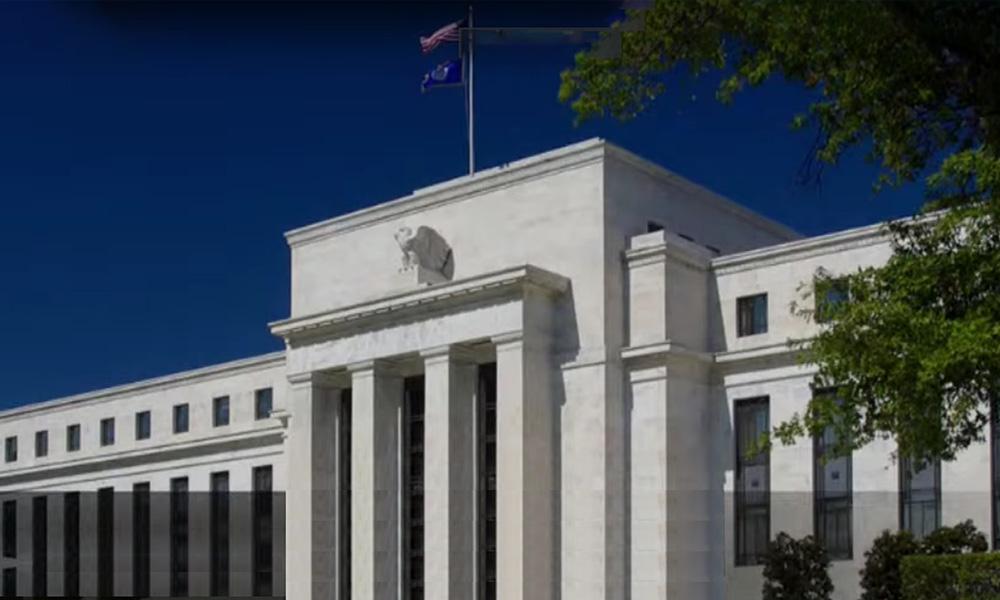
President Trump formally announced on Wednesday (March 4) his nomination of Walsh as the next Federal Reserve Chairman. If confirmed by the Senate, Walsh will succeed current Chairman Jerome Powell. The White House stated in an online announcement that the nomination has been formally submitted to the Senate, a step more than a month after Trump first publicly expressed his desire for Walsh to take the position.
Warsh, a former Federal Reserve governor known for his experience during the financial crisis, is seen as Trump’s attempt to strengthen his control over Federal Reserve policy, particularly in terms of interest rate decisions.
Warsh's background, including his experience at Morgan Stanley and his hawkish views on monetary policy, may mean that the Federal Reserve will face new adjustments in balancing inflation control and economic growth in the future.
Although the nomination process has officially begun, its progress in the Senate has not been smooth. North Carolina Republican Senator Tillis has publicly stated that he will block further proceedings for Warsh's nomination until the federal criminal investigation against Powell by the U.S. Attorney's Office for the District of Columbia is dropped. This stance could prevent the nomination from reaching the full Senate for consideration, thus delaying or even halting the entire process.
Tillis's decision stemmed from concerns about the Powell investigation, reflecting partisan divisions within the Federal Reserve over personnel matters. Powell publicly acknowledged in mid-January that he was under investigation for his involvement in a $2.5 billion renovation project at the Federal Reserve headquarters, including his testimony to the Senate regarding the project.
The investigation's core focus is on the use and transparency of project funds. Powell emphasized that this "threat of criminal charges" stems directly from his and other Federal Reserve governors' refusal to yield to Trump's demands for faster interest rate cuts to meet the president's economic stimulus needs. This political pressure highlights the conflict between the Fed's independence and executive power; under Powell's leadership, the Fed has consistently adhered to gradual policy adjustments based on economic data, rather than external political interference.
In the broader context of this nomination, the controversial pasts of other Federal Reserve governors also warrant attention. For example, last summer, Trump attempted to fire Fed Governor Tim Cook because of her support for Jerome Powell's stance on interest rate decisions. Trump cited allegations of mortgage fraud by a housing official he appointed, but it is widely believed that the real motivation behind this action stemmed from Trump's dissatisfaction with Cook's cautious approach to interest rate policy.
Cook has vehemently denied any wrongdoing and is defending her position through legal means. She remains employed by the Federal Reserve, awaiting the outcome of her lawsuit against Trump's dismissal decision. The Supreme Court heard oral arguments in January but has not yet issued a final ruling. The core issue in the case is whether Trump has the authority to unilaterally dismiss a Federal Reserve governor, which involves the constitutional definition of executive power. If the court rules that Trump lacks this authority, it will further strengthen the Federal Reserve's independence and indirectly impact Warsh's nomination.
In conclusion, Trump's nomination of Warsh is not merely a personnel change, but a significant test of the American political and economic landscape. From the initial nomination process to the Senate's resistance and the unfolding controversies, this event reveals the complexity of power struggles. Regardless of whether Warsh succeeds in taking office, his nomination will have a profound impact on the Federal Reserve's monetary policy and global financial markets. Readers are encouraged to closely monitor subsequent developments to grasp the potential effects of this dynamic event.
Nomination Launch and Background Overview
President Trump formally announced on Wednesday (March 4) his nomination of Walsh as the next Federal Reserve Chairman. If confirmed by the Senate, Walsh will succeed current Chairman Jerome Powell. The White House stated in an online announcement that the nomination has been formally submitted to the Senate, a step more than a month after Trump first publicly expressed his desire for Walsh to take the position.
Warsh, a former Federal Reserve governor known for his experience during the financial crisis, is seen as Trump’s attempt to strengthen his control over Federal Reserve policy, particularly in terms of interest rate decisions.
Warsh's background, including his experience at Morgan Stanley and his hawkish views on monetary policy, may mean that the Federal Reserve will face new adjustments in balancing inflation control and economic growth in the future.
Potential obstacles to Senate deliberation
Although the nomination process has officially begun, its progress in the Senate has not been smooth. North Carolina Republican Senator Tillis has publicly stated that he will block further proceedings for Warsh's nomination until the federal criminal investigation against Powell by the U.S. Attorney's Office for the District of Columbia is dropped. This stance could prevent the nomination from reaching the full Senate for consideration, thus delaying or even halting the entire process.
Tillis's decision stemmed from concerns about the Powell investigation, reflecting partisan divisions within the Federal Reserve over personnel matters. Powell publicly acknowledged in mid-January that he was under investigation for his involvement in a $2.5 billion renovation project at the Federal Reserve headquarters, including his testimony to the Senate regarding the project.
The investigation's core focus is on the use and transparency of project funds. Powell emphasized that this "threat of criminal charges" stems directly from his and other Federal Reserve governors' refusal to yield to Trump's demands for faster interest rate cuts to meet the president's economic stimulus needs. This political pressure highlights the conflict between the Fed's independence and executive power; under Powell's leadership, the Fed has consistently adhered to gradual policy adjustments based on economic data, rather than external political interference.
A review of relevant controversial figures and historical events
In the broader context of this nomination, the controversial pasts of other Federal Reserve governors also warrant attention. For example, last summer, Trump attempted to fire Fed Governor Tim Cook because of her support for Jerome Powell's stance on interest rate decisions. Trump cited allegations of mortgage fraud by a housing official he appointed, but it is widely believed that the real motivation behind this action stemmed from Trump's dissatisfaction with Cook's cautious approach to interest rate policy.
Cook has vehemently denied any wrongdoing and is defending her position through legal means. She remains employed by the Federal Reserve, awaiting the outcome of her lawsuit against Trump's dismissal decision. The Supreme Court heard oral arguments in January but has not yet issued a final ruling. The core issue in the case is whether Trump has the authority to unilaterally dismiss a Federal Reserve governor, which involves the constitutional definition of executive power. If the court rules that Trump lacks this authority, it will further strengthen the Federal Reserve's independence and indirectly impact Warsh's nomination.
In conclusion, Trump's nomination of Warsh is not merely a personnel change, but a significant test of the American political and economic landscape. From the initial nomination process to the Senate's resistance and the unfolding controversies, this event reveals the complexity of power struggles. Regardless of whether Warsh succeeds in taking office, his nomination will have a profound impact on the Federal Reserve's monetary policy and global financial markets. Readers are encouraged to closely monitor subsequent developments to grasp the potential effects of this dynamic event.
- Risk Warning and Disclaimer
- The market involves risk, and trading may not be suitable for all investors. This article is for reference only and does not constitute personal investment advice, nor does it take into account certain users’ specific investment objectives, financial situation, or other needs. Any investment decisions made based on this information are at your own risk.