Middle East transport disruptions fuel supply concerns: LME aluminum prices rise to near four-year high, while industrial metals such as copper face downward pressure.
2026-03-09 10:21:54
As tensions in the Middle East continue to escalate, the global metals market has shown a clear divergence. International aluminum prices surged due to concerns about potential supply disruptions in the region, while other industrial metals such as copper weakened as risk appetite declined.
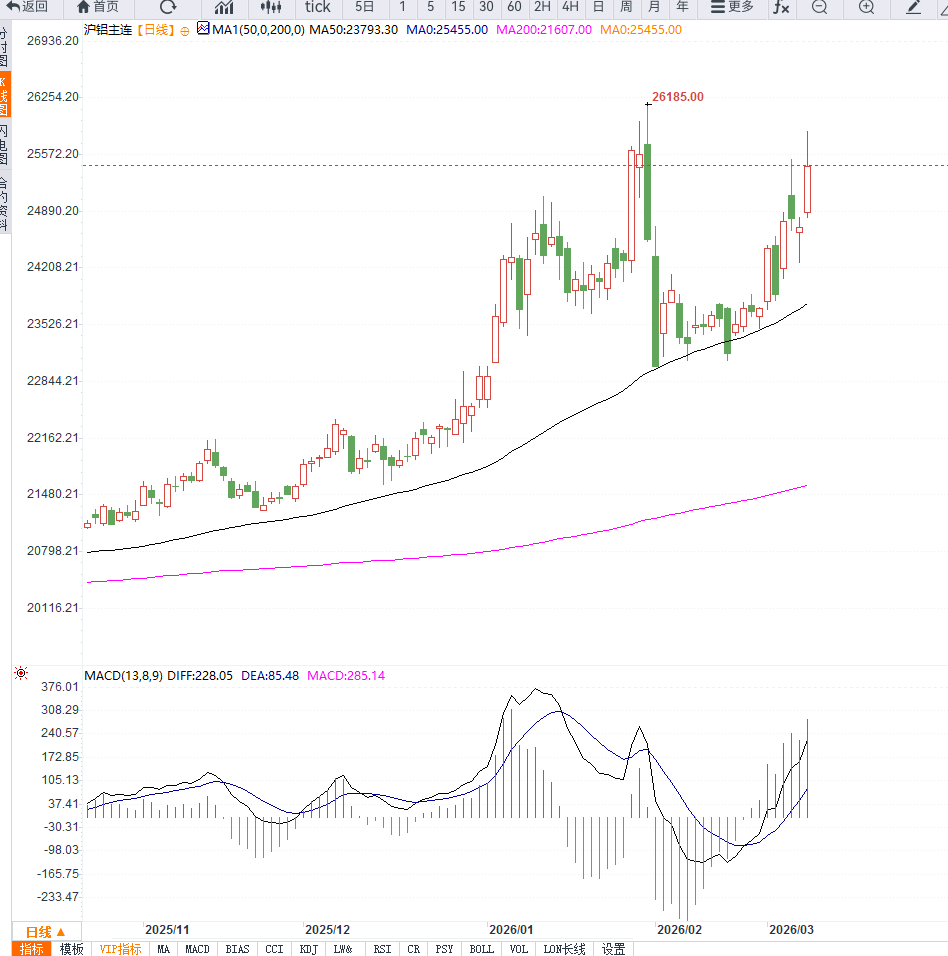
On Monday, aluminum prices on the London Metal Exchange (LME) rose as much as 1.6% to $3,499.5 per tonne, the highest level since April 2022. Geopolitical shocks and transportation factors have driven aluminum prices higher; prices have risen significantly over the past week.
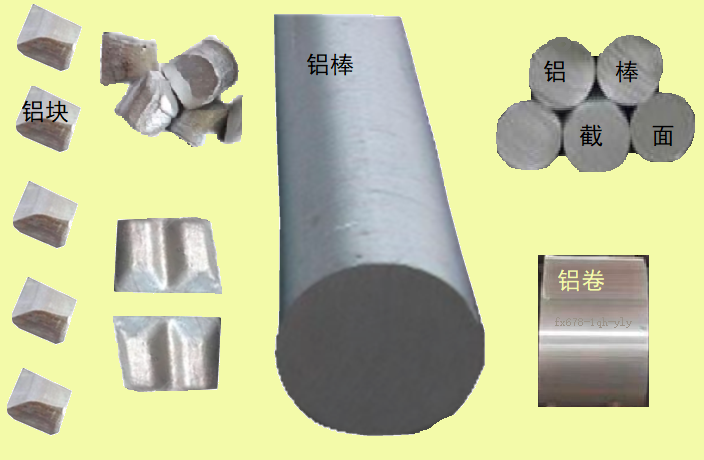
Market data shows that LME aluminum prices rose nearly 10% in a week due to geopolitical conflicts disrupting shipping in the Persian Gulf. The Persian Gulf region is a major global center for aluminum production and export. It accounts for approximately 9% of global aluminum supply, and disruptions to transportation can rapidly impact the international market's supply and demand balance.
With shipping risks rising, traders are preparing for potential supply disruptions. Concerns about supply disruptions are further exacerbated by production-side factors, with at least two major aluminum smelters in the Middle East, located in Qatar and Bahrain, having suspended deliveries.
The suspension of deliveries by smelters means that some aluminum supplies originally planned for export may not arrive on time in the international market, directly driving up spot and futures prices. Due to uncertainty surrounding Middle Eastern supplies, US importers are urgently seeking new sources of supply, turning to Asia for alternatives.
Market participants indicate that some US buyers have begun sourcing alternative aluminum from Asia to ensure supply chain stability. This shift suggests a potential short-term adjustment in global aluminum trade flows. In contrast to rising aluminum prices, copper and other industrial metals have seen their prices decline.
The main reason is the decline in global risk appetite. Amidst heightened geopolitical tensions, investors have become more cautious about global economic growth expectations. Demand for industrial metals is often closely linked to economic growth, so a decline in risk sentiment typically suppresses prices for metals such as copper.
Editor's Summary:
From a market structure perspective, this round of aluminum price increases is mainly driven by supply risks rather than demand growth. The Middle East holds a crucial position in the global aluminum supply chain, and if shipping or production is continuously disrupted, the international aluminum market may face temporary supply shortages.
Meanwhile, the weakening prices of industrial metals such as copper also reflect the market's cautious attitude towards the economic outlook. In the near future, the metals market is likely to continue to be influenced by both geopolitical tensions and global risk sentiment.
On Monday, aluminum prices on the London Metal Exchange (LME) rose as much as 1.6% to $3,499.5 per tonne, the highest level since April 2022. Geopolitical shocks and transportation factors have driven aluminum prices higher; prices have risen significantly over the past week.
Market data shows that LME aluminum prices rose nearly 10% in a week due to geopolitical conflicts disrupting shipping in the Persian Gulf. The Persian Gulf region is a major global center for aluminum production and export. It accounts for approximately 9% of global aluminum supply, and disruptions to transportation can rapidly impact the international market's supply and demand balance.
With shipping risks rising, traders are preparing for potential supply disruptions. Concerns about supply disruptions are further exacerbated by production-side factors, with at least two major aluminum smelters in the Middle East, located in Qatar and Bahrain, having suspended deliveries.
The suspension of deliveries by smelters means that some aluminum supplies originally planned for export may not arrive on time in the international market, directly driving up spot and futures prices. Due to uncertainty surrounding Middle Eastern supplies, US importers are urgently seeking new sources of supply, turning to Asia for alternatives.
Market participants indicate that some US buyers have begun sourcing alternative aluminum from Asia to ensure supply chain stability. This shift suggests a potential short-term adjustment in global aluminum trade flows. In contrast to rising aluminum prices, copper and other industrial metals have seen their prices decline.
The main reason is the decline in global risk appetite. Amidst heightened geopolitical tensions, investors have become more cautious about global economic growth expectations. Demand for industrial metals is often closely linked to economic growth, so a decline in risk sentiment typically suppresses prices for metals such as copper.
Editor's Summary:
From a market structure perspective, this round of aluminum price increases is mainly driven by supply risks rather than demand growth. The Middle East holds a crucial position in the global aluminum supply chain, and if shipping or production is continuously disrupted, the international aluminum market may face temporary supply shortages.
Meanwhile, the weakening prices of industrial metals such as copper also reflect the market's cautious attitude towards the economic outlook. In the near future, the metals market is likely to continue to be influenced by both geopolitical tensions and global risk sentiment.
- Risk Warning and Disclaimer
- The market involves risk, and trading may not be suitable for all investors. This article is for reference only and does not constitute personal investment advice, nor does it take into account certain users’ specific investment objectives, financial situation, or other needs. Any investment decisions made based on this information are at your own risk.