The Middle East conflict has caused significant fluctuations in crude oil prices. Is the support level at 92 or 85?
2026-03-09 23:51:08
On Monday (March 9), WTI crude oil prices surged to around $120 during the US trading session, but subsequently fell sharply. In fact, from the initial surge, prices almost plummeted as the G7 countries are currently discussing whether to release strategic petroleum reserves simultaneously to control volatility in the crude oil market.
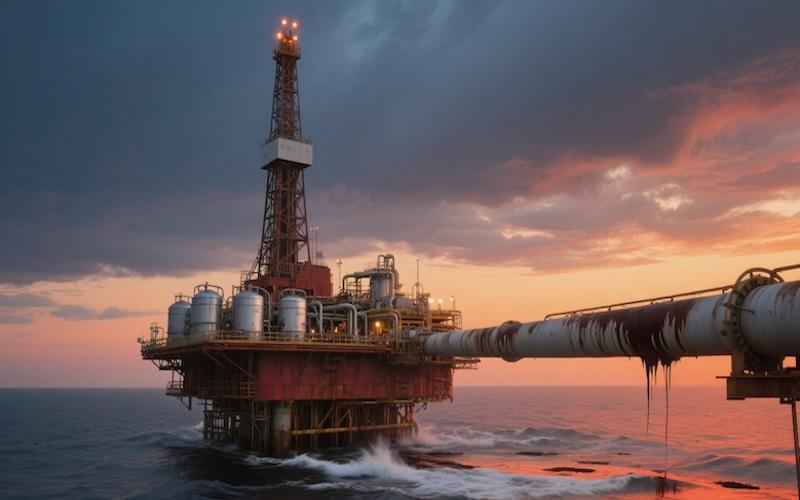
Market volatility has intensified over the past four hours. Global crude oil supply is tight, primarily due to escalating conflict in the Middle East. The Strait of Hormuz, one of the world's most important oil shipping routes, faces a significantly increased risk of supply disruption should it be threatened or blocked, driving oil prices higher. Concerns are particularly heightened for Asian economies reliant on the region's oil supplies, such as South Korea and Japan.
G7 countries discuss releasing reserves
Given the current high oil prices and supply concerns, the G7 has begun discussing whether to simultaneously release strategic petroleum reserves to alleviate market supply tensions. Such action may have a certain restraining effect on oil prices in the short term, especially in the case of oversupply, potentially leading to a temporary price decline. However, this operation is merely a means to address short-term market shocks and cannot fundamentally solve the long-term supply problem.
Nevertheless, I still believe the crude oil market has some support, and I do not intend to short the market at this time. However, this trend is similar to several previous instances in the silver market—retail investors may have already caught the market high and can now only watch helplessly as their funds weather this turbulence.
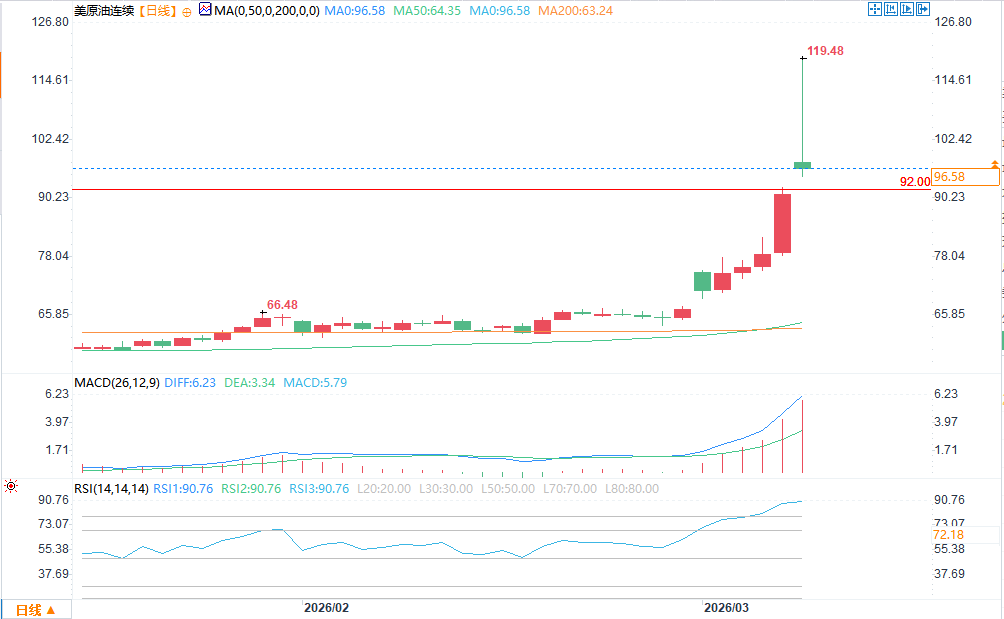
(WTI crude oil daily chart source: FX678)
This is also an area that requires special caution in current crude oil market trading. In fact, those with extensive trading experience may have become accustomed to such market volatility, or they may have turned to trading less risky investment products such as ETFs.
However, it will be interesting to see if the market corrects and the $92 support level holds. A drop to that level would essentially fill the previous price gap. While I think it's unlikely we'll break through that point, who knows? After all, I didn't anticipate yesterday's candlestick pattern at all.
This is precisely the biggest problem in trading crude oil right now – the lack of predictability.
Brent Crude Oil Technical Analysis
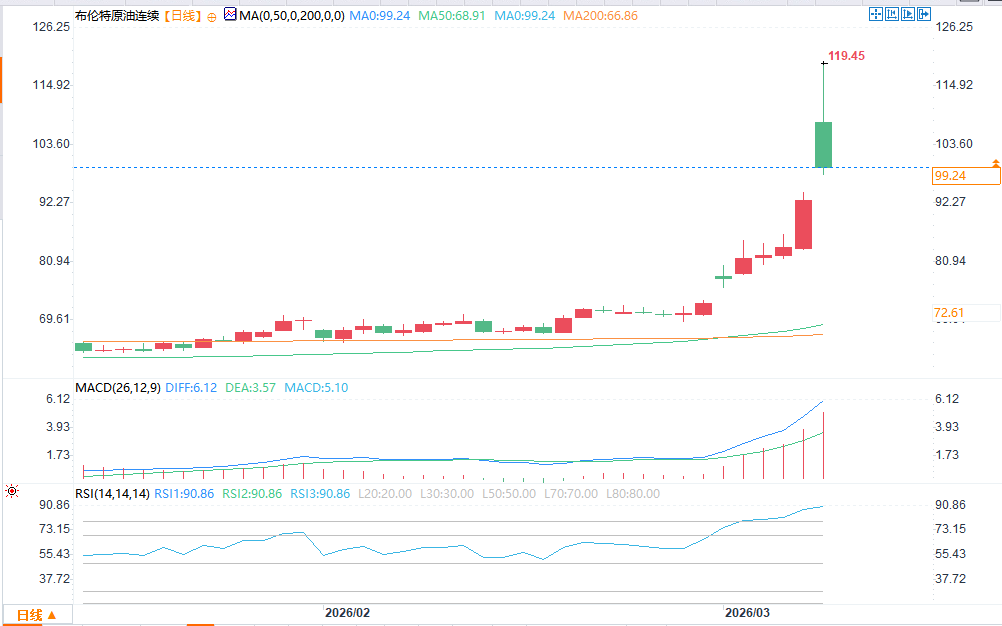
(Brent crude oil daily chart source: FX678)
Brent crude oil's price movement was largely similar to WTI, also briefly touching the $120 mark, but the pullback was relatively smaller—at least not as drastic as WTI crude oil in terms of percentage. This is not surprising, given the relatively ample and secure supply of crude oil in North America.
Brent crude is more susceptible to the situation in the Persian Gulf, and other commodities such as medium-acid crude are also affected by fluctuations. Currently, the oil market will gradually adjust prices based on supply conditions in different regions.
Over time, the market will begin to recognize the differences between countries like the US and China. For countries like Japan, which are 100% dependent on imported crude oil, this will pose a significant challenge to their economies; while for countries like the US, which produce approximately 14 million barrels of crude oil per day, the overall impact will be much smaller. Therefore, the oil market will gradually absorb this difference.
As things stand, the "buy the dip" strategy remains in place. I believe $85 is the current hard floor. Although prices are already well above that, you can see how quickly oil prices can fluctuate. With the G7 potentially releasing strategic reserves, oil prices could also plummet.
If the war situation in the Gulf region eases in any way, or if the Strait of Hormuz reopens to navigation, oil prices could plummet just as they did during the surge. Therefore, the current trading environment is undoubtedly extremely risky.
Short-term supply and demand differences
From the demand side, the demand performance of major global economies varies. The United States, due to its strong crude oil production capacity, is relatively less affected, with its crude oil supply sufficient to meet domestic demand. However, for import-dependent countries like Japan and India, a global supply shortage and rising oil prices will have a more direct impact on their economies. Especially against the backdrop of growing global oil demand, the demand from Asian countries will have an increasingly prominent influence on the global market.
Recent negative and positive factors
Positive factors:
The situation in the Middle East is unstable, especially the security issues in the Strait of Hormuz;
The reserve release policies of G7 countries may further dampen market sentiment;
Regional differences in global demand, particularly the growth in crude oil demand in Asia.
Negative factors:
Reserve releases by G7 countries may put downward pressure on prices in the short term;
Steady growth in U.S. domestic crude oil production;
If the situation in the Middle East eases, oil prices may quickly rebound.
In conclusion, short-term crude oil prices will continue to be dominated by geopolitical risks, and the market's volatility necessitates heightened investor vigilance. It is particularly important to note that the crude oil market is highly susceptible to unforeseen events; therefore, investors should prepare for high volatility in this environment.
Market volatility has intensified over the past four hours. Global crude oil supply is tight, primarily due to escalating conflict in the Middle East. The Strait of Hormuz, one of the world's most important oil shipping routes, faces a significantly increased risk of supply disruption should it be threatened or blocked, driving oil prices higher. Concerns are particularly heightened for Asian economies reliant on the region's oil supplies, such as South Korea and Japan.
G7 countries discuss releasing reserves
Given the current high oil prices and supply concerns, the G7 has begun discussing whether to simultaneously release strategic petroleum reserves to alleviate market supply tensions. Such action may have a certain restraining effect on oil prices in the short term, especially in the case of oversupply, potentially leading to a temporary price decline. However, this operation is merely a means to address short-term market shocks and cannot fundamentally solve the long-term supply problem.
Nevertheless, I still believe the crude oil market has some support, and I do not intend to short the market at this time. However, this trend is similar to several previous instances in the silver market—retail investors may have already caught the market high and can now only watch helplessly as their funds weather this turbulence.
(WTI crude oil daily chart source: FX678)
This is also an area that requires special caution in current crude oil market trading. In fact, those with extensive trading experience may have become accustomed to such market volatility, or they may have turned to trading less risky investment products such as ETFs.
However, it will be interesting to see if the market corrects and the $92 support level holds. A drop to that level would essentially fill the previous price gap. While I think it's unlikely we'll break through that point, who knows? After all, I didn't anticipate yesterday's candlestick pattern at all.
This is precisely the biggest problem in trading crude oil right now – the lack of predictability.
Brent Crude Oil Technical Analysis
(Brent crude oil daily chart source: FX678)
Brent crude oil's price movement was largely similar to WTI, also briefly touching the $120 mark, but the pullback was relatively smaller—at least not as drastic as WTI crude oil in terms of percentage. This is not surprising, given the relatively ample and secure supply of crude oil in North America.
Brent crude is more susceptible to the situation in the Persian Gulf, and other commodities such as medium-acid crude are also affected by fluctuations. Currently, the oil market will gradually adjust prices based on supply conditions in different regions.
Over time, the market will begin to recognize the differences between countries like the US and China. For countries like Japan, which are 100% dependent on imported crude oil, this will pose a significant challenge to their economies; while for countries like the US, which produce approximately 14 million barrels of crude oil per day, the overall impact will be much smaller. Therefore, the oil market will gradually absorb this difference.
As things stand, the "buy the dip" strategy remains in place. I believe $85 is the current hard floor. Although prices are already well above that, you can see how quickly oil prices can fluctuate. With the G7 potentially releasing strategic reserves, oil prices could also plummet.
If the war situation in the Gulf region eases in any way, or if the Strait of Hormuz reopens to navigation, oil prices could plummet just as they did during the surge. Therefore, the current trading environment is undoubtedly extremely risky.
Short-term supply and demand differences
From the demand side, the demand performance of major global economies varies. The United States, due to its strong crude oil production capacity, is relatively less affected, with its crude oil supply sufficient to meet domestic demand. However, for import-dependent countries like Japan and India, a global supply shortage and rising oil prices will have a more direct impact on their economies. Especially against the backdrop of growing global oil demand, the demand from Asian countries will have an increasingly prominent influence on the global market.
Recent negative and positive factors
Positive factors:
The situation in the Middle East is unstable, especially the security issues in the Strait of Hormuz;
The reserve release policies of G7 countries may further dampen market sentiment;
Regional differences in global demand, particularly the growth in crude oil demand in Asia.
Negative factors:
Reserve releases by G7 countries may put downward pressure on prices in the short term;
Steady growth in U.S. domestic crude oil production;
If the situation in the Middle East eases, oil prices may quickly rebound.
In conclusion, short-term crude oil prices will continue to be dominated by geopolitical risks, and the market's volatility necessitates heightened investor vigilance. It is particularly important to note that the crude oil market is highly susceptible to unforeseen events; therefore, investors should prepare for high volatility in this environment.
- Risk Warning and Disclaimer
- The market involves risk, and trading may not be suitable for all investors. This article is for reference only and does not constitute personal investment advice, nor does it take into account certain users’ specific investment objectives, financial situation, or other needs. Any investment decisions made based on this information are at your own risk.