The unexpected deterioration in the Canadian job market, coupled with rising expectations of interest rate cuts, pressured the Canadian dollar lower.
2026-03-16 14:52:01
The Canadian dollar was relatively weak among major currencies during Monday's early European trading session. The USD/CAD pair remained around 1.3720 , with market sentiment generally cautious after digesting the latest employment data. The newly released labor market data showed clear signs of a slowdown in the Canadian economy, exacerbating market expectations that the Bank of Canada may cut interest rates in the coming months.

Data shows that Canada's job market performed significantly weaker than expected in February. Employment decreased by approximately 83,900 people that month, while the market had generally anticipated an increase of about 10,000 . Meanwhile, employment had already decreased by approximately 24,800 people in January, marking two consecutive months of decline and indicating a gradually cooling labor market. The unemployment rate also rose from 6.5% to 6.7% , significantly higher than the market expectation of 6.6% .
Labor market data is generally considered a key indicator of economic health. Slowing job growth often signifies declining business confidence in the future economic outlook, leading to reduced hiring demand. When the labor market begins to weaken, central banks typically consider easing monetary policy to stimulate economic activity. Therefore, weak employment data quickly reinforced market expectations that the Bank of Canada might cut interest rates.
Following the release of the employment data, the market widely believes that the Bank of Canada may begin a rate-cutting cycle in the coming quarters to alleviate pressure from slowing economic growth. Changes in interest rate expectations often directly affect exchange rate movements, as lower interest rates typically reduce the attractiveness of a country's assets, leading to capital outflows and depressing the local currency.
However, the downside potential of the Canadian dollar remains limited by energy market factors. Recent tensions in the Middle East have significantly increased supply risks in the energy market. Market concerns about disruptions to global oil transportation routes have driven international oil prices higher. As Canada is a major global energy exporter, rising oil prices typically boost its trade revenue and attract more foreign investment.
In terms of the global energy supply structure, the Strait of Hormuz handles approximately 20% of global seaborne crude oil transport . If this shipping route experiences disruptions or supply risks, international oil prices typically rise rapidly. Higher energy prices generally have a positive impact on the Canadian economy, as oil exports are one of its key economic pillars.
Meanwhile, the U.S. government recently expressed confidence in cooperating with some countries to reopen the Strait of Hormuz to ensure a stable global energy supply. If this shipping route resumes normal operations, tensions in the energy market may ease, thereby affecting oil prices and indirectly impacting the Canadian dollar.
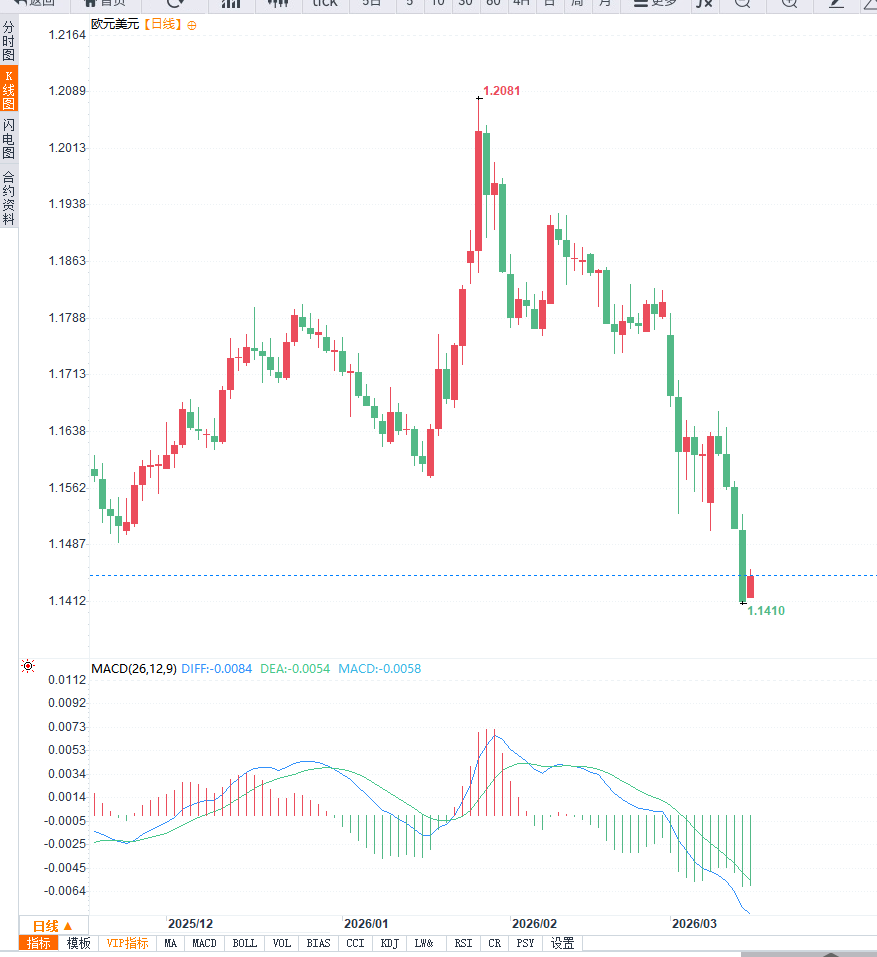
From a technical perspective, the USD/CAD pair is currently maintaining a slightly bullish, range-bound trading pattern on the daily chart. The exchange rate remains above major short-term moving averages, indicating that the bullish trend has not been broken. Recently, the price has found some support around 1.3700 ; if the price continues to hold above this level, the short-term upward trend may continue.
From a daily chart perspective, the key resistance level is around 1.3800 . If the exchange rate breaks through this level, the market may further test the 1.3880 to 1.3900 area. In terms of momentum indicators, the Relative Strength Index (RSI) is currently in neutral territory, indicating that the market has not yet entered a clearly overbought state, therefore there is still room for upward movement.
Overall, the weak Canadian job market is putting pressure on the Canadian dollar, but rising energy prices are providing some support, suggesting that the USD/CAD exchange rate may remain volatile in the short term.
Editor's Summary : Unexpectedly weak Canadian employment data quickly increased market expectations for future interest rate cuts by the Bank of Canada, putting significant pressure on the Canadian dollar. However, rising global energy supply risks and continued oil price increases provided support for oil-exporting economies, which to some extent limited the Canadian dollar's decline.
From the current market structure, the USD/CAD pair is expected to maintain a slightly bullish trend in the short term. Key variables for the future market include Canadian inflation data, central bank policy expectations, and international oil price movements. If energy prices remain high, the Canadian dollar may receive some support; however, if economic data continues to weaken, the Canadian dollar may face further depreciation pressure.
Frequently Asked Questions (FAQ)
Question 1: Why do employment data have such a significant impact on the Canadian dollar?
Employment data is a crucial indicator of a country's economic health. Changes in the job market typically reflect businesses' assessments of the future economic outlook. When economic growth is robust, businesses usually increase hiring, driving up employment; conversely, when the economic outlook is uncertain, businesses may reduce hiring or even lay off employees. For the currency market, employment data directly impacts central bank policy decisions. Strong job growth indicates active economic activity, and the central bank may maintain higher interest rates or even tighten policy to prevent overheating. Conversely, if the job market weakens significantly, the central bank may cut interest rates to stimulate economic growth. The exchange rate market is highly sensitive to interest rate changes. When the market anticipates a potential decline in a country's future interest rates, that country's currency often depreciates as investors may shift funds to markets with higher yields. Therefore, a significant decrease in Canadian employment would increase market expectations of interest rate cuts, thus putting pressure on the Canadian dollar.
Question 2: Why do rising oil prices usually support the Canadian dollar?
Canada is one of the world's major energy exporters, with the oil industry playing a vital role in its economic structure. Large-scale oil exports mean that when international oil prices rise, Canada can earn more export revenue, thus improving its trade balance. When oil prices rise, overseas buyers need more funds to purchase Canadian energy products, which increases demand for the Canadian dollar. Furthermore, increased revenue in the energy sector may attract more foreign investment inflows, further supporting the currency's exchange rate. There is generally a high correlation between oil prices and the Canadian dollar. When oil prices rise, the Canadian dollar tends to perform stronger; conversely, when oil prices fall, the Canadian dollar may come under pressure. However, this relationship is not absolute, as exchange rates are also affected by factors such as interest rate policy, economic growth, and the global financial environment. Therefore, in the current environment, although weak Canadian employment data is unfavorable for the Canadian dollar, rising energy prices may still provide some support.
Question 3: Why is the Strait of Hormuz so important to the global energy market?
The Strait of Hormuz, located in the Middle East, is one of the world's most important energy transport routes. Large quantities of crude oil and liquefied natural gas from major Middle Eastern oil-producing countries are transported through this waterway to markets in Asia, Europe, and North America. Market estimates indicate that approximately 20% of global seaborne crude oil transits this route. Therefore, any disruption to transport or security risks in this waterway could rapidly impact global energy supplies, leading to significant fluctuations in oil prices. Historically, energy markets have reacted noticeably whenever tensions rise in the region. Investors typically price supply risks into prices in advance, which is a key reason why oil prices tend to rise during periods of heightened geopolitical risk. Therefore, the security situation in the Strait of Hormuz not only affects regional stability but also directly impacts global energy markets and the economic performance of relevant countries.
Question 4: Why might the Bank of Canada consider cutting interest rates?
Central banks typically consider multiple indicators, including inflation, employment, and economic growth, when formulating monetary policy. If economic growth slows or the job market deteriorates significantly, the central bank may lower interest rates to stimulate economic activity. Lowering interest rates reduces financing costs for businesses and households, thereby encouraging investment and consumption. For example, lower lending rates may boost real estate investment or business expansion, thus driving economic growth. Currently, the Canadian job market shows clear signs of weakness, which may indicate that economic momentum is waning. If future economic data continues to weaken, the Bank of Canada may lower interest rates to support economic recovery. However, the central bank also considers the inflation level when making decisions. If inflation remains high, the central bank may need to strike a balance between stimulating the economy and controlling inflation.
Question 5: What factors should be considered in the future exchange rate movement of the USD/CAD exchange rate?
The future exchange rate movement of the USD/CAD pair will be primarily influenced by three factors. First, Canadian economic data. If employment, consumption, or economic growth data continue to be weak, the market may further increase expectations for interest rate cuts, thereby driving the USD/CAD pair higher. The second key factor is international oil prices. As Canada is a major energy exporter, oil price movements typically have a direct impact on the Canadian dollar. If oil prices continue to rise, the Canadian dollar may find support; however, if oil prices fall, the Canadian dollar may face greater pressure. The third factor is US monetary policy. The US dollar's performance often influences the overall direction of major currency pairs. If the Federal Reserve maintains high interest rates or the US dollar continues to strengthen, the USD/CAD pair may continue its upward trend. In summary, the future exchange rate movement will likely depend on the combined effects of economic data, the energy market, and central bank policies.
Data shows that Canada's job market performed significantly weaker than expected in February. Employment decreased by approximately 83,900 people that month, while the market had generally anticipated an increase of about 10,000 . Meanwhile, employment had already decreased by approximately 24,800 people in January, marking two consecutive months of decline and indicating a gradually cooling labor market. The unemployment rate also rose from 6.5% to 6.7% , significantly higher than the market expectation of 6.6% .
Labor market data is generally considered a key indicator of economic health. Slowing job growth often signifies declining business confidence in the future economic outlook, leading to reduced hiring demand. When the labor market begins to weaken, central banks typically consider easing monetary policy to stimulate economic activity. Therefore, weak employment data quickly reinforced market expectations that the Bank of Canada might cut interest rates.
Following the release of the employment data, the market widely believes that the Bank of Canada may begin a rate-cutting cycle in the coming quarters to alleviate pressure from slowing economic growth. Changes in interest rate expectations often directly affect exchange rate movements, as lower interest rates typically reduce the attractiveness of a country's assets, leading to capital outflows and depressing the local currency.
However, the downside potential of the Canadian dollar remains limited by energy market factors. Recent tensions in the Middle East have significantly increased supply risks in the energy market. Market concerns about disruptions to global oil transportation routes have driven international oil prices higher. As Canada is a major global energy exporter, rising oil prices typically boost its trade revenue and attract more foreign investment.
In terms of the global energy supply structure, the Strait of Hormuz handles approximately 20% of global seaborne crude oil transport . If this shipping route experiences disruptions or supply risks, international oil prices typically rise rapidly. Higher energy prices generally have a positive impact on the Canadian economy, as oil exports are one of its key economic pillars.
Meanwhile, the U.S. government recently expressed confidence in cooperating with some countries to reopen the Strait of Hormuz to ensure a stable global energy supply. If this shipping route resumes normal operations, tensions in the energy market may ease, thereby affecting oil prices and indirectly impacting the Canadian dollar.
From a technical perspective, the USD/CAD pair is currently maintaining a slightly bullish, range-bound trading pattern on the daily chart. The exchange rate remains above major short-term moving averages, indicating that the bullish trend has not been broken. Recently, the price has found some support around 1.3700 ; if the price continues to hold above this level, the short-term upward trend may continue.
From a daily chart perspective, the key resistance level is around 1.3800 . If the exchange rate breaks through this level, the market may further test the 1.3880 to 1.3900 area. In terms of momentum indicators, the Relative Strength Index (RSI) is currently in neutral territory, indicating that the market has not yet entered a clearly overbought state, therefore there is still room for upward movement.
Overall, the weak Canadian job market is putting pressure on the Canadian dollar, but rising energy prices are providing some support, suggesting that the USD/CAD exchange rate may remain volatile in the short term.
Editor's Summary : Unexpectedly weak Canadian employment data quickly increased market expectations for future interest rate cuts by the Bank of Canada, putting significant pressure on the Canadian dollar. However, rising global energy supply risks and continued oil price increases provided support for oil-exporting economies, which to some extent limited the Canadian dollar's decline.
From the current market structure, the USD/CAD pair is expected to maintain a slightly bullish trend in the short term. Key variables for the future market include Canadian inflation data, central bank policy expectations, and international oil price movements. If energy prices remain high, the Canadian dollar may receive some support; however, if economic data continues to weaken, the Canadian dollar may face further depreciation pressure.
Frequently Asked Questions (FAQ)
Question 1: Why do employment data have such a significant impact on the Canadian dollar?
Employment data is a crucial indicator of a country's economic health. Changes in the job market typically reflect businesses' assessments of the future economic outlook. When economic growth is robust, businesses usually increase hiring, driving up employment; conversely, when the economic outlook is uncertain, businesses may reduce hiring or even lay off employees. For the currency market, employment data directly impacts central bank policy decisions. Strong job growth indicates active economic activity, and the central bank may maintain higher interest rates or even tighten policy to prevent overheating. Conversely, if the job market weakens significantly, the central bank may cut interest rates to stimulate economic growth. The exchange rate market is highly sensitive to interest rate changes. When the market anticipates a potential decline in a country's future interest rates, that country's currency often depreciates as investors may shift funds to markets with higher yields. Therefore, a significant decrease in Canadian employment would increase market expectations of interest rate cuts, thus putting pressure on the Canadian dollar.
Question 2: Why do rising oil prices usually support the Canadian dollar?
Canada is one of the world's major energy exporters, with the oil industry playing a vital role in its economic structure. Large-scale oil exports mean that when international oil prices rise, Canada can earn more export revenue, thus improving its trade balance. When oil prices rise, overseas buyers need more funds to purchase Canadian energy products, which increases demand for the Canadian dollar. Furthermore, increased revenue in the energy sector may attract more foreign investment inflows, further supporting the currency's exchange rate. There is generally a high correlation between oil prices and the Canadian dollar. When oil prices rise, the Canadian dollar tends to perform stronger; conversely, when oil prices fall, the Canadian dollar may come under pressure. However, this relationship is not absolute, as exchange rates are also affected by factors such as interest rate policy, economic growth, and the global financial environment. Therefore, in the current environment, although weak Canadian employment data is unfavorable for the Canadian dollar, rising energy prices may still provide some support.
Question 3: Why is the Strait of Hormuz so important to the global energy market?
The Strait of Hormuz, located in the Middle East, is one of the world's most important energy transport routes. Large quantities of crude oil and liquefied natural gas from major Middle Eastern oil-producing countries are transported through this waterway to markets in Asia, Europe, and North America. Market estimates indicate that approximately 20% of global seaborne crude oil transits this route. Therefore, any disruption to transport or security risks in this waterway could rapidly impact global energy supplies, leading to significant fluctuations in oil prices. Historically, energy markets have reacted noticeably whenever tensions rise in the region. Investors typically price supply risks into prices in advance, which is a key reason why oil prices tend to rise during periods of heightened geopolitical risk. Therefore, the security situation in the Strait of Hormuz not only affects regional stability but also directly impacts global energy markets and the economic performance of relevant countries.
Question 4: Why might the Bank of Canada consider cutting interest rates?
Central banks typically consider multiple indicators, including inflation, employment, and economic growth, when formulating monetary policy. If economic growth slows or the job market deteriorates significantly, the central bank may lower interest rates to stimulate economic activity. Lowering interest rates reduces financing costs for businesses and households, thereby encouraging investment and consumption. For example, lower lending rates may boost real estate investment or business expansion, thus driving economic growth. Currently, the Canadian job market shows clear signs of weakness, which may indicate that economic momentum is waning. If future economic data continues to weaken, the Bank of Canada may lower interest rates to support economic recovery. However, the central bank also considers the inflation level when making decisions. If inflation remains high, the central bank may need to strike a balance between stimulating the economy and controlling inflation.
Question 5: What factors should be considered in the future exchange rate movement of the USD/CAD exchange rate?
The future exchange rate movement of the USD/CAD pair will be primarily influenced by three factors. First, Canadian economic data. If employment, consumption, or economic growth data continue to be weak, the market may further increase expectations for interest rate cuts, thereby driving the USD/CAD pair higher. The second key factor is international oil prices. As Canada is a major energy exporter, oil price movements typically have a direct impact on the Canadian dollar. If oil prices continue to rise, the Canadian dollar may find support; however, if oil prices fall, the Canadian dollar may face greater pressure. The third factor is US monetary policy. The US dollar's performance often influences the overall direction of major currency pairs. If the Federal Reserve maintains high interest rates or the US dollar continues to strengthen, the USD/CAD pair may continue its upward trend. In summary, the future exchange rate movement will likely depend on the combined effects of economic data, the energy market, and central bank policies.
- Risk Warning and Disclaimer
- The market involves risk, and trading may not be suitable for all investors. This article is for reference only and does not constitute personal investment advice, nor does it take into account certain users’ specific investment objectives, financial situation, or other needs. Any investment decisions made based on this information are at your own risk.