Gold and silver prices fell sharply as US inflation data surged more than expected.
2026-03-19 01:54:47
On Wednesday (March 18) during the US trading session, spot gold fell to $4,874.19 per ounce, a six-week low; April gold futures plunged $129.00 to $4,879.20 per ounce, a drop of about 2.6%. Silver also suffered a sharp decline, with May futures falling $2.786 to $77.08 per ounce, a four-week low.

Key driver: US February PPI data far exceeded expectations, reigniting inflation alarms.
The U.S. Labor Department released its February Producer Price Index (PPI) data, showing a 0.7% month-over-month increase (far exceeding the expected 0.3% and the previous month's 0.5%), marking the largest increase in seven months. Commodity prices rose 1.1% month-over-month, the highest level since August 2023. Core PPI (excluding food and energy) rose 0.5% month-over-month (expected 0.3%). The overall annual PPI rose to 3.4% (expected 2.9%, previous 2.9%), while the core PPI rose to 3.9% annually. This data directly shattered market optimism regarding a rapid interest rate cut by the Federal Reserve this year, indicating renewed significant inflationary pressure.
Escalating conflict in the Middle East amplifies inflation concerns and keeps energy prices high.
The conflict with Iran has lasted for nearly three weeks, with no signs of de-escalation. Iran's massive Pars gas field was attacked, marking the first time during the war that energy infrastructure in the Gulf region has been targeted. Tehran subsequently warned neighboring countries that their energy facilities were threatened. Brent crude futures prices remained above $100 per barrel, while NYMEX crude was near $99. The significant increase in energy costs has pushed up inflation expectations.
David Meger, head of metals trading at High Ridge Futures, said: "The escalating war and rising energy prices are exacerbating inflation—one of the reasons why the Fed may be unable to cut interest rates, which is also putting pressure on gold prices."
A stronger dollar and a high-interest-rate environment are putting pressure on gold prices.
The US dollar index rebounded slightly, and the yield on the 10-year US Treasury note rose to approximately 4.2%. In a high-interest-rate environment, the cost of holding non-interest-bearing gold increases. Although the Middle East wars have created some safe-haven demand,
Meger noted, "I don't think there's a lack of safe-haven demand; it's just that other pressures have temporarily overwhelmed it." A strong dollar makes it more expensive for holders of other currencies to buy gold, further exacerbating the decline in gold prices.
Today's focus: Fed Chair Powell's speech becomes key for the market.
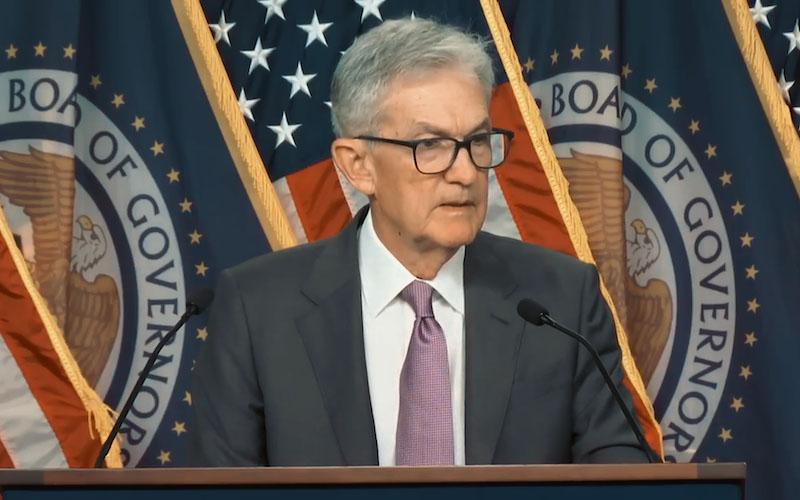
The Federal Reserve is expected to keep interest rates unchanged at the close of its meeting and release its latest economic projections and dot plot. Powell will then hold a press conference, with the market most focused on his comments on today's better-than-expected PPI data and how he assesses the impact of the Trump administration's "endless conflict" in the Middle East on economic growth, inflation, and the outlook for monetary policy. If Powell emphasizes that "more time is needed to observe the persistence of the conflict" and that "inflation risks are skewed to the upside," short-term selling pressure on gold prices will intensify; conversely, if he suggests that the impact of the conflict on inflation is manageable or that there is still room for rate cuts in 2026, a rebound is possible.
Short-term technical pressure exists, but the medium- to long-term logic remains strong.
Gold has broken below the key support level of $4,950-$4,900, with the next important support level in the $4,800-$4,750 range. Silver's decline is even more pronounced, and after falling below the $77 mark, it may test the $73-$74 area. Despite the significant short-term correction, the ongoing Middle East conflict and high oil prices are likely to continue, and the two long-term positive factors of rising inflation and geopolitical risks have not reversed. Gold's historical role as a classic inflation hedge remains strong, and this round of pullback may actually present a buying opportunity.
Key driver: US February PPI data far exceeded expectations, reigniting inflation alarms.
The U.S. Labor Department released its February Producer Price Index (PPI) data, showing a 0.7% month-over-month increase (far exceeding the expected 0.3% and the previous month's 0.5%), marking the largest increase in seven months. Commodity prices rose 1.1% month-over-month, the highest level since August 2023. Core PPI (excluding food and energy) rose 0.5% month-over-month (expected 0.3%). The overall annual PPI rose to 3.4% (expected 2.9%, previous 2.9%), while the core PPI rose to 3.9% annually. This data directly shattered market optimism regarding a rapid interest rate cut by the Federal Reserve this year, indicating renewed significant inflationary pressure.
Escalating conflict in the Middle East amplifies inflation concerns and keeps energy prices high.
The conflict with Iran has lasted for nearly three weeks, with no signs of de-escalation. Iran's massive Pars gas field was attacked, marking the first time during the war that energy infrastructure in the Gulf region has been targeted. Tehran subsequently warned neighboring countries that their energy facilities were threatened. Brent crude futures prices remained above $100 per barrel, while NYMEX crude was near $99. The significant increase in energy costs has pushed up inflation expectations.
David Meger, head of metals trading at High Ridge Futures, said: "The escalating war and rising energy prices are exacerbating inflation—one of the reasons why the Fed may be unable to cut interest rates, which is also putting pressure on gold prices."
A stronger dollar and a high-interest-rate environment are putting pressure on gold prices.
The US dollar index rebounded slightly, and the yield on the 10-year US Treasury note rose to approximately 4.2%. In a high-interest-rate environment, the cost of holding non-interest-bearing gold increases. Although the Middle East wars have created some safe-haven demand,
Meger noted, "I don't think there's a lack of safe-haven demand; it's just that other pressures have temporarily overwhelmed it." A strong dollar makes it more expensive for holders of other currencies to buy gold, further exacerbating the decline in gold prices.
Today's focus: Fed Chair Powell's speech becomes key for the market.
The Federal Reserve is expected to keep interest rates unchanged at the close of its meeting and release its latest economic projections and dot plot. Powell will then hold a press conference, with the market most focused on his comments on today's better-than-expected PPI data and how he assesses the impact of the Trump administration's "endless conflict" in the Middle East on economic growth, inflation, and the outlook for monetary policy. If Powell emphasizes that "more time is needed to observe the persistence of the conflict" and that "inflation risks are skewed to the upside," short-term selling pressure on gold prices will intensify; conversely, if he suggests that the impact of the conflict on inflation is manageable or that there is still room for rate cuts in 2026, a rebound is possible.
Short-term technical pressure exists, but the medium- to long-term logic remains strong.
Gold has broken below the key support level of $4,950-$4,900, with the next important support level in the $4,800-$4,750 range. Silver's decline is even more pronounced, and after falling below the $77 mark, it may test the $73-$74 area. Despite the significant short-term correction, the ongoing Middle East conflict and high oil prices are likely to continue, and the two long-term positive factors of rising inflation and geopolitical risks have not reversed. Gold's historical role as a classic inflation hedge remains strong, and this round of pullback may actually present a buying opportunity.
- Risk Warning and Disclaimer
- The market involves risk, and trading may not be suitable for all investors. This article is for reference only and does not constitute personal investment advice, nor does it take into account certain users’ specific investment objectives, financial situation, or other needs. Any investment decisions made based on this information are at your own risk.