With tensions rising in the Gulf region, who is secretly manipulating the range-bound trading in crude oil prices?
2026-03-24 15:35:16
On Tuesday, March 24th, rapid shifts in geopolitical dynamics and diplomatic signals shaped the trading pattern of crude oil prices. WTI crude oil futures initially fell by more than 10%, settling around $88.13 per barrel, before rebounding due to escalating tensions in the Gulf region, currently hovering around $91 per barrel; Brent crude remained stable at around $103 per barrel. Previous rumors of a pause in attacks on Iranian energy assets briefly suppressed oil prices, but the latest reports indicate that Gulf states are gradually adopting a confrontational stance, with Saudi Arabia opening key air bases for external use, potentially signaling a shift towards rebuilding deterrence. Energy infrastructure has become a direct target, exacerbating the instability of oil and gas supplies.
The current crude oil price movement has deviated from a healthy upward trajectory, instead exhibiting a range-bound trading pattern after a failed rebound. Prices have tested the upper $100 area multiple times, but each attempt to rally failed to gain sufficient market support, instead quickly falling back to around $90. This shift indicates that the market is no longer in a strong corrective breakout phase, but has entered a range-bound trading mode where sellers are gradually gaining the upper hand. Technically, the failed rebound has strengthened the accumulation of selling pressure, significantly increasing the difficulty for prices to reach higher levels in the short term. From a fundamental perspective, while geopolitical events have increased risk premiums, they have failed to translate into sustained buying momentum, leading to stronger selling pressure at key resistance levels. For traders, this pattern means that volatility remains high, and any subtle changes in diplomatic or military signals could amplify price swings.
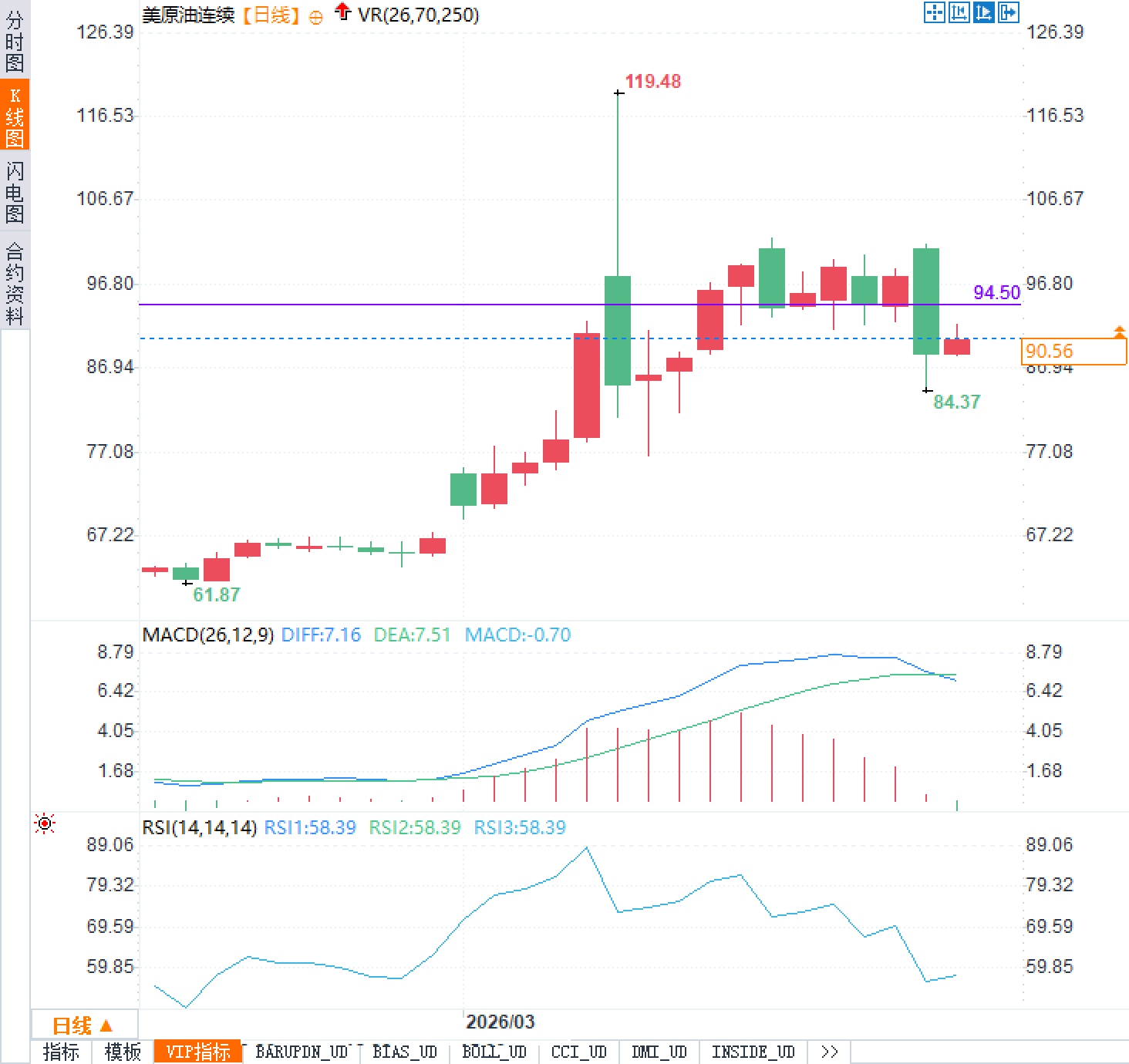
The return of seller control is not an isolated phenomenon, but the result of multiple factors. In the short term, prices have repeatedly encountered resistance in the resistance zone, highlighting the market's insufficient acceptance of higher prices and opening a window for potential further downside.
The escalating tensions in the Middle East have directly impacted critical energy infrastructure. Recent attacks on gas pipelines and booster stations in Iran's Isfahan and Khorramshahr regions highlight the vulnerability of the region's energy system. Damage to these facilities not only affects local gas supplies but also has a ripple effect on the stability of crude oil export routes. Signals from Gulf states such as Saudi Arabia, indicating a possible military intervention to rebuild deterrence, further amplify the risk premium for supply disruptions. The market is assessing the potential impact on chokepoints like the Strait of St. Hormuz if the conflict continues; although a complete blockade has not yet occurred, traders have already incorporated such scenarios into pricing models. Overall, while geopolitical factors have pushed up oil prices in the short term, they have also created uncertainty, causing prices to fluctuate within a high range rather than forming a unidirectional trend. This risk environment also extends to the broader energy market. The correlation between natural gas and crude oil has increased, and any infrastructure attack could simultaneously increase the volatility of both.
While crude oil volatility has intensified, central bank demand for gold continues to play a stabilizing role in the commodity sector. Investors are viewing gold as a tool to hedge against geopolitical risks and the pressure to diversify reserves, with countries like Indonesia and Malaysia maintaining steady buying even amidst periodic price fluctuations. This demand trend provides underlying support for the entire commodity complex, especially amid rising uncertainty in the energy market. Gold's safe-haven properties make it relatively resilient in risk events and indirectly influence the risk pricing logic of commodities such as crude oil. The continued intervention of central banks reflects a strategic adjustment by global reserve managers in the face of long-term uncertainty, rather than short-term speculative drive. This hedging logic complements the geopolitical premium in the crude oil market; although their driving factors differ, they together constitute the current defensive characteristics of the commodity sector.
Crude Oil Market Overview: Sellers Regain Control
The current crude oil price movement has deviated from a healthy upward trajectory, instead exhibiting a range-bound trading pattern after a failed rebound. Prices have tested the upper $100 area multiple times, but each attempt to rally failed to gain sufficient market support, instead quickly falling back to around $90. This shift indicates that the market is no longer in a strong corrective breakout phase, but has entered a range-bound trading mode where sellers are gradually gaining the upper hand. Technically, the failed rebound has strengthened the accumulation of selling pressure, significantly increasing the difficulty for prices to reach higher levels in the short term. From a fundamental perspective, while geopolitical events have increased risk premiums, they have failed to translate into sustained buying momentum, leading to stronger selling pressure at key resistance levels. For traders, this pattern means that volatility remains high, and any subtle changes in diplomatic or military signals could amplify price swings.
The return of seller control is not an isolated phenomenon, but the result of multiple factors. In the short term, prices have repeatedly encountered resistance in the resistance zone, highlighting the market's insufficient acceptance of higher prices and opening a window for potential further downside.
Geopolitical conflicts exacerbate energy supply risks
The escalating tensions in the Middle East have directly impacted critical energy infrastructure. Recent attacks on gas pipelines and booster stations in Iran's Isfahan and Khorramshahr regions highlight the vulnerability of the region's energy system. Damage to these facilities not only affects local gas supplies but also has a ripple effect on the stability of crude oil export routes. Signals from Gulf states such as Saudi Arabia, indicating a possible military intervention to rebuild deterrence, further amplify the risk premium for supply disruptions. The market is assessing the potential impact on chokepoints like the Strait of St. Hormuz if the conflict continues; although a complete blockade has not yet occurred, traders have already incorporated such scenarios into pricing models. Overall, while geopolitical factors have pushed up oil prices in the short term, they have also created uncertainty, causing prices to fluctuate within a high range rather than forming a unidirectional trend. This risk environment also extends to the broader energy market. The correlation between natural gas and crude oil has increased, and any infrastructure attack could simultaneously increase the volatility of both.
Central bank gold demand reinforces the logic of commodity hedging.
While crude oil volatility has intensified, central bank demand for gold continues to play a stabilizing role in the commodity sector. Investors are viewing gold as a tool to hedge against geopolitical risks and the pressure to diversify reserves, with countries like Indonesia and Malaysia maintaining steady buying even amidst periodic price fluctuations. This demand trend provides underlying support for the entire commodity complex, especially amid rising uncertainty in the energy market. Gold's safe-haven properties make it relatively resilient in risk events and indirectly influence the risk pricing logic of commodities such as crude oil. The continued intervention of central banks reflects a strategic adjustment by global reserve managers in the face of long-term uncertainty, rather than short-term speculative drive. This hedging logic complements the geopolitical premium in the crude oil market; although their driving factors differ, they together constitute the current defensive characteristics of the commodity sector.
Frequently Asked Questions
Question 1: Why did crude oil prices fail to continue rising after rebounding to the $100 range, and instead allow sellers to regain control?
A: This is mainly due to the market's failure to effectively absorb higher prices. After repeatedly testing the upper limit area, prices quickly fell back to the lower half of the structure, indicating that selling pressure accumulated stronger momentum before the resistance level. Although geopolitical signals pushed up the short-term risk premium, rapid changes in diplomatic dynamics led to insufficient buying momentum, ultimately resulting in a range-bound trading pattern rather than a breakout to the upside.
Question 2: How do current geopolitical conflicts specifically affect energy supply stability and oil price fluctuations?
A: The conflict has escalated to attacks on key Iranian gas pipelines and pressurization stations, with signals from Gulf states indicating potential military intervention to rebuild deterrence. These actions directly test the vulnerability of energy infrastructure, amplifying the risk premium for supply disruptions. The opening of bases by Saudi Arabia and other countries has further increased market pricing in potential disruptions to key chokepoints, pushing up volatility in the short term but limiting the sustainability of one-sided market movements.
- Risk Warning and Disclaimer
- The market involves risk, and trading may not be suitable for all investors. This article is for reference only and does not constitute personal investment advice, nor does it take into account certain users’ specific investment objectives, financial situation, or other needs. Any investment decisions made based on this information are at your own risk.