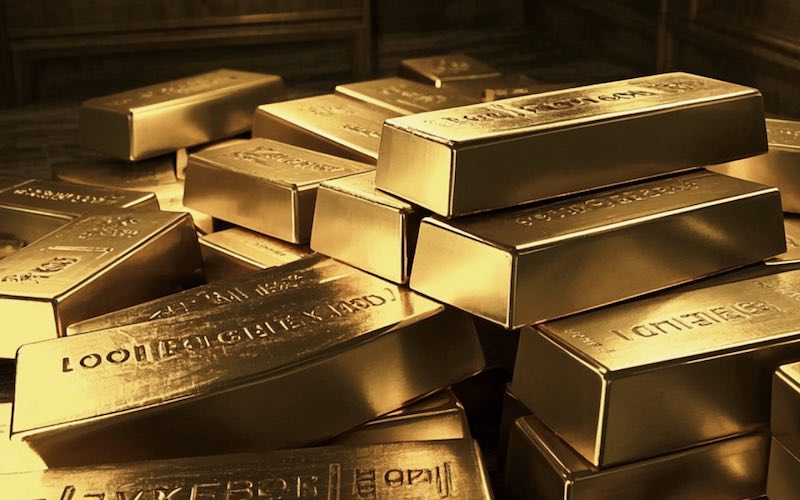
The Gulf oil valves were severed, leaving major investors in despair and causing trillions of dollars in investments in the US to collapse.
2026-03-26 21:04:09
As a major supplier of global cross-border capital, the Gulf Arab states, which had pledged hundreds of billions of dollars in investment to the United States, are now facing substantial default risks due to the economic collapse caused by war. This not only puts pressure on the driving force of the "golden age of economic prosperity" that the Trump administration had hoped for, but also triggers a chain reaction in the global capital chain, reshaping the capital interaction pattern between the Middle East and the global market.
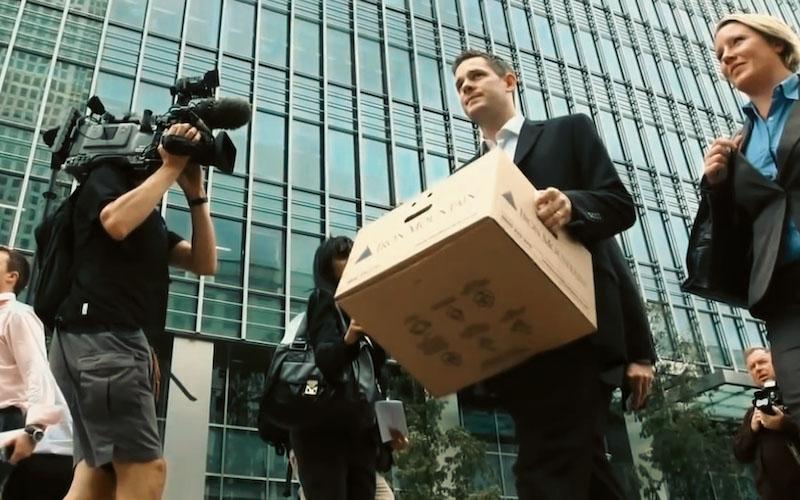
The de facto blockade of the Strait of Hormuz became the key blow that crushed the economies of the Gulf countries.
As a vital transportation artery for 20%-25% of the world's oil and liquefied natural gas, the closure of the Strait of Hormuz would completely sever the core source of revenue for Gulf financial institutions—oil and gas cash flow—which are the core suppliers of global cross-border capital.
Meanwhile, Iran’s continued attacks on critical infrastructure have further crippled the economic pillars of the Gulf states: Dubai International Airport suffered its third drone attack, and a fire at an oil storage tank led to massive flight cancellations or diversions. Flights across the region were reduced to only half of normal levels, and the Middle East tourism industry, worth approximately $367 billion annually, came to a complete standstill.
Cities like Dubai and Doha, which rely on high-end tourism and business services, are seeing their foreign exchange reserves eroded and their cross-border investment capabilities significantly weakened.
To make matters worse, the conflict has also directly impacted the core industrial output of the Gulf countries.
Following the attack on Qatar's liquefied natural gas facilities, bank analysts predict a significant decline in its GDP, directly impacting the capital deployment capabilities of sovereign wealth funds.
Even before the conflict broke out, Saudi Arabia had already signaled a tightening of investment due to fiscal pressure caused by aggressive spending over the past decade.
Adnan Mazare, former deputy director of the International Monetary Fund, pointed out that the huge reconstruction costs brought about by the war have fundamentally changed the capital allocation logic of the Gulf countries. "Ensuring domestic liquidity security has become the top priority, and foreign investment will naturally shrink."
The Trump administration once viewed the massive investments in Gulf countries as a core engine of economic recovery.
Trump's high-profile visit to the Middle East last spring facilitated investment deals worth over $2 trillion, including a $150 billion order from Saudi Arabia to US defense contractors, a contract for 160 Boeing aircraft to be purchased by Qatar, and a $60 billion cooperation project between US energy companies and Abu Dhabi Oil Company.
But now, these promises are at risk of being defaulted on.
According to three sources familiar with the internal consultations, Gulf states have issued a clear warning that they may be forced to withdraw tens of billions of dollars in investment from the United States in the coming weeks.
"Such a large-scale capital repatriation will severely disrupt the dollar asset pricing system, directly contradict the president's goal of attracting foreign investment, and exacerbate volatility in the US stock and technology sectors."
An insider stated bluntly that this impact is particularly devastating for the US market: US tech startups, investment institutions, and large corporations have long regarded Gulf sovereign wealth funds and government-backed investment vehicles as core sources of funding. Once capital withdraws, it will directly lead to a tightening of market liquidity, increased financing costs for the technology and energy sectors, and exacerbate liquidity stratification.
What's more serious is that this investment contraction is not a short-term fluctuation.
According to Mohamed El-Erian, a professor at Wharton School and chief economic advisor to Allianz Group, it will take at least several months or even years for the Gulf countries to rebuild their infrastructure to become global financial centers. "In the short term, they will slow down the pace of capital injections that have already been committed and suspend new investment commitments, and the capital-siphoning effect of dollar assets will be significantly weakened."
Faced with the reality of shrinking investment, the White House attempted to downplay concerns. Spokesperson Kush Desai emphasized that this was a "short-term military operation that would not cause long-term economic damage," and revealed that the government had activated hedging mechanisms such as political risk reinsurance and targeted sanctions waivers to stabilize the energy market.
The UAE also reiterated and doubled its commitment to investing in the US, but this statement could not mask the general predicament of the Gulf countries—many countries have begun to implement remote work and remote learning, frequent alarms and attacks have exacerbated social anxiety, and the huge expenditures on rebuilding missile defense systems and repairing infrastructure have forced them to withhold funds originally planned for investment in the US.
However, the conflict has also created new investment opportunities, reshaping the direction of US-Gulf capital cooperation.
As attacks by Iran continue, the Gulf states' need for defense and security has risen sharply. The U.S. Department of Defense has reached a framework agreement with defense companies such as Lockheed Martin and Honeywell to push the defense industry into a wartime state and expand the production scale of products such as missile interception systems and precision-strike missiles.
IBM Vice Chairman and former Trump economic advisor Gary Cohn pointed out that "many Gulf states will eventually increase their strategic investments in the United States, and the United States, as the world's largest producer of advanced weapons, will become a core partner in ensuring their national defense security."
This shift means that US-Gulf capital cooperation will move from broad economic investment to a focus on strategic areas such as defense and energy infrastructure repair.
But this adjustment comes at a particularly bad time for the Trump administration. The latest polls show that only 25% of respondents approve of Trump's handling of the cost of living, and 29% approve of his economic performance, marking the lowest ratings since he took office.
The stalled private investment engine, which had been on high hopes, may have a further impact on the midterm elections.
This conflict has brought not only short-term investment fluctuations, but also a profound adjustment to the global capital landscape.
“The Middle East has essentially exited the global capital cycle,” said an executive at an asset management firm that received a large injection of capital from Gulf investors. “In the short term, global companies will be forced to adjust their capital allocations and seek liquidity support outside the Middle East.”
For Gulf countries, the shift in investment strategy may take several years.
The disparity in the degree of impact on different countries will further intensify: countries with low debt levels and less war damage may retain some capacity for foreign investment, while countries like Saudi Arabia, which are already in a capital account deficit, will experience a more pronounced contraction in investment.
The Qatari and Saudi Arabian embassies have not yet responded to requests for comment regarding the investment adjustments, but the market has clearly picked up on this trend.
In the long run, this conflict may fundamentally change the way capital interacts with the Gulf countries and global markets. Short-term investment contraction is unavoidable, but as regional security needs escalate, strategic investment in U.S. defense and energy infrastructure will gradually increase.
As Gary Cohen stated, "In the long run, this is not a negative shock, but rather will strengthen the depth of US-Gulf capital cooperation." However, for global markets, the "inward contraction" of Middle Eastern capital has already triggered a chain reaction, the liquidity support of dollar assets is being tested, and the restructuring of the global capital chain is still evolving.
Economic foundations collapse: Gulf countries suffer double blow to investment capacity
The de facto blockade of the Strait of Hormuz became the key blow that crushed the economies of the Gulf countries.
As a vital transportation artery for 20%-25% of the world's oil and liquefied natural gas, the closure of the Strait of Hormuz would completely sever the core source of revenue for Gulf financial institutions—oil and gas cash flow—which are the core suppliers of global cross-border capital.
Meanwhile, Iran’s continued attacks on critical infrastructure have further crippled the economic pillars of the Gulf states: Dubai International Airport suffered its third drone attack, and a fire at an oil storage tank led to massive flight cancellations or diversions. Flights across the region were reduced to only half of normal levels, and the Middle East tourism industry, worth approximately $367 billion annually, came to a complete standstill.
Cities like Dubai and Doha, which rely on high-end tourism and business services, are seeing their foreign exchange reserves eroded and their cross-border investment capabilities significantly weakened.
To make matters worse, the conflict has also directly impacted the core industrial output of the Gulf countries.
Following the attack on Qatar's liquefied natural gas facilities, bank analysts predict a significant decline in its GDP, directly impacting the capital deployment capabilities of sovereign wealth funds.
Even before the conflict broke out, Saudi Arabia had already signaled a tightening of investment due to fiscal pressure caused by aggressive spending over the past decade.
Adnan Mazare, former deputy director of the International Monetary Fund, pointed out that the huge reconstruction costs brought about by the war have fundamentally changed the capital allocation logic of the Gulf countries. "Ensuring domestic liquidity security has become the top priority, and foreign investment will naturally shrink."
Default risk on US investments escalates: Liquidity of dollar assets under pressure
The Trump administration once viewed the massive investments in Gulf countries as a core engine of economic recovery.
Trump's high-profile visit to the Middle East last spring facilitated investment deals worth over $2 trillion, including a $150 billion order from Saudi Arabia to US defense contractors, a contract for 160 Boeing aircraft to be purchased by Qatar, and a $60 billion cooperation project between US energy companies and Abu Dhabi Oil Company.
But now, these promises are at risk of being defaulted on.
According to three sources familiar with the internal consultations, Gulf states have issued a clear warning that they may be forced to withdraw tens of billions of dollars in investment from the United States in the coming weeks.
"Such a large-scale capital repatriation will severely disrupt the dollar asset pricing system, directly contradict the president's goal of attracting foreign investment, and exacerbate volatility in the US stock and technology sectors."
An insider stated bluntly that this impact is particularly devastating for the US market: US tech startups, investment institutions, and large corporations have long regarded Gulf sovereign wealth funds and government-backed investment vehicles as core sources of funding. Once capital withdraws, it will directly lead to a tightening of market liquidity, increased financing costs for the technology and energy sectors, and exacerbate liquidity stratification.
What's more serious is that this investment contraction is not a short-term fluctuation.
According to Mohamed El-Erian, a professor at Wharton School and chief economic advisor to Allianz Group, it will take at least several months or even years for the Gulf countries to rebuild their infrastructure to become global financial centers. "In the short term, they will slow down the pace of capital injections that have already been committed and suspend new investment commitments, and the capital-siphoning effect of dollar assets will be significantly weakened."
A Game of Strategies: A Dual Variation Between Short-Term Contraction and Long-Term Strategic Investment
Faced with the reality of shrinking investment, the White House attempted to downplay concerns. Spokesperson Kush Desai emphasized that this was a "short-term military operation that would not cause long-term economic damage," and revealed that the government had activated hedging mechanisms such as political risk reinsurance and targeted sanctions waivers to stabilize the energy market.
The UAE also reiterated and doubled its commitment to investing in the US, but this statement could not mask the general predicament of the Gulf countries—many countries have begun to implement remote work and remote learning, frequent alarms and attacks have exacerbated social anxiety, and the huge expenditures on rebuilding missile defense systems and repairing infrastructure have forced them to withhold funds originally planned for investment in the US.
However, the conflict has also created new investment opportunities, reshaping the direction of US-Gulf capital cooperation.
As attacks by Iran continue, the Gulf states' need for defense and security has risen sharply. The U.S. Department of Defense has reached a framework agreement with defense companies such as Lockheed Martin and Honeywell to push the defense industry into a wartime state and expand the production scale of products such as missile interception systems and precision-strike missiles.
IBM Vice Chairman and former Trump economic advisor Gary Cohn pointed out that "many Gulf states will eventually increase their strategic investments in the United States, and the United States, as the world's largest producer of advanced weapons, will become a core partner in ensuring their national defense security."
This shift means that US-Gulf capital cooperation will move from broad economic investment to a focus on strategic areas such as defense and energy infrastructure repair.
But this adjustment comes at a particularly bad time for the Trump administration. The latest polls show that only 25% of respondents approve of Trump's handling of the cost of living, and 29% approve of his economic performance, marking the lowest ratings since he took office.
The stalled private investment engine, which had been on high hopes, may have a further impact on the midterm elections.
Global Capital Restructuring: The Long-Term Impact of Middle Eastern Capital "Inward Contraction"
This conflict has brought not only short-term investment fluctuations, but also a profound adjustment to the global capital landscape.
“The Middle East has essentially exited the global capital cycle,” said an executive at an asset management firm that received a large injection of capital from Gulf investors. “In the short term, global companies will be forced to adjust their capital allocations and seek liquidity support outside the Middle East.”
For Gulf countries, the shift in investment strategy may take several years.
The disparity in the degree of impact on different countries will further intensify: countries with low debt levels and less war damage may retain some capacity for foreign investment, while countries like Saudi Arabia, which are already in a capital account deficit, will experience a more pronounced contraction in investment.
The Qatari and Saudi Arabian embassies have not yet responded to requests for comment regarding the investment adjustments, but the market has clearly picked up on this trend.
In the long run, this conflict may fundamentally change the way capital interacts with the Gulf countries and global markets. Short-term investment contraction is unavoidable, but as regional security needs escalate, strategic investment in U.S. defense and energy infrastructure will gradually increase.
As Gary Cohen stated, "In the long run, this is not a negative shock, but rather will strengthen the depth of US-Gulf capital cooperation." However, for global markets, the "inward contraction" of Middle Eastern capital has already triggered a chain reaction, the liquidity support of dollar assets is being tested, and the restructuring of the global capital chain is still evolving.
- Risk Warning and Disclaimer
- The market involves risk, and trading may not be suitable for all investors. This article is for reference only and does not constitute personal investment advice, nor does it take into account certain users’ specific investment objectives, financial situation, or other needs. Any investment decisions made based on this information are at your own risk.