The dollar rebounded, but energy pressures tested its limits.
2026-04-02 17:57:21
On Thursday, April 2nd, the US dollar index showed a clear reversal. The US President delivered a national address, outlining significant progress on core objectives of the conflict, but also explicitly stating that the final stages would still require at least two to three weeks. This statement contrasted with the market's previous widespread expectation of a rapid resolution, causing earlier optimism to quickly fade.
The US dollar index rebounded to around 100, while the euro fell 0.4% against the dollar to around 1.1530, testing support at the 100-hour moving average. In the oil market, Brent crude futures rose to around $108 per barrel, up about 7% from the previous trading day, while WTI crude futures also rose to $106 per barrel. Continued uncertainty at key nodes in the energy supply chain has directly driven risk sentiment towards caution, and traders are closely monitoring the impact of subsequent geopolitical developments on global asset pricing.
Following the US president's speech, market focus quickly shifted to the actual state of the Strait of Hormuz shipping lanes. This strait carries a significant proportion of global oil trade daily, and continued disruption will put sustained pressure on crude oil and natural gas flows. While the speech emphasized the severe damage to military capabilities, it offered no clear signal of an end, leading traders to extend their expectations for the recovery of energy supplies. As a traditional safe-haven asset, the US dollar attracted capital inflows in this environment, supporting its exchange rate strength. The US dollar index fluctuated around the 100 level, reflecting the repricing of major currency pairs driven by safe-haven demand. Historically, similar events show that when high energy prices push up global inflation expectations, the market's interpretation of the Federal Reserve's policy path tends to be more cautious. Overall, the speech's failure to immediately alleviate supply chain bottlenecks was the core catalyst for the dollar's rebound.
The Strait of Hormuz, a vital chokepoint for global energy transport, directly determines the stability of crude oil and natural gas supply. Following the speech, the market anticipated the disruption could last for weeks, amplifying the supply gap by millions of barrels per day. Brent and WTI crude oil prices rose in tandem, with gains exceeding 6%, reflecting traders' pricing adjustments to the April energy market pressures. The natural gas market was also affected, experiencing increased price volatility, which further impacted industrial and transportation costs. Historically, similar events have led to cumulative energy price increases of over 20% in a short period, indirectly affecting global economic growth expectations.
Traders observed that every $1 increase in oil prices per barrel corresponds to a potential support level of 0.1% to 0.2% for the US dollar index. Other major currency pairs, such as GBP/USD and USD/JPY, showed similar divergence. While the yen, as another safe-haven asset, received some support, the dollar's overall advantage was more pronounced. Against this backdrop, the policy paths of major central banks such as the Federal Reserve and the European Central Bank are receiving more attention: rising energy costs may push up short-term inflation readings, but may not change the tone of neutral monetary policy.
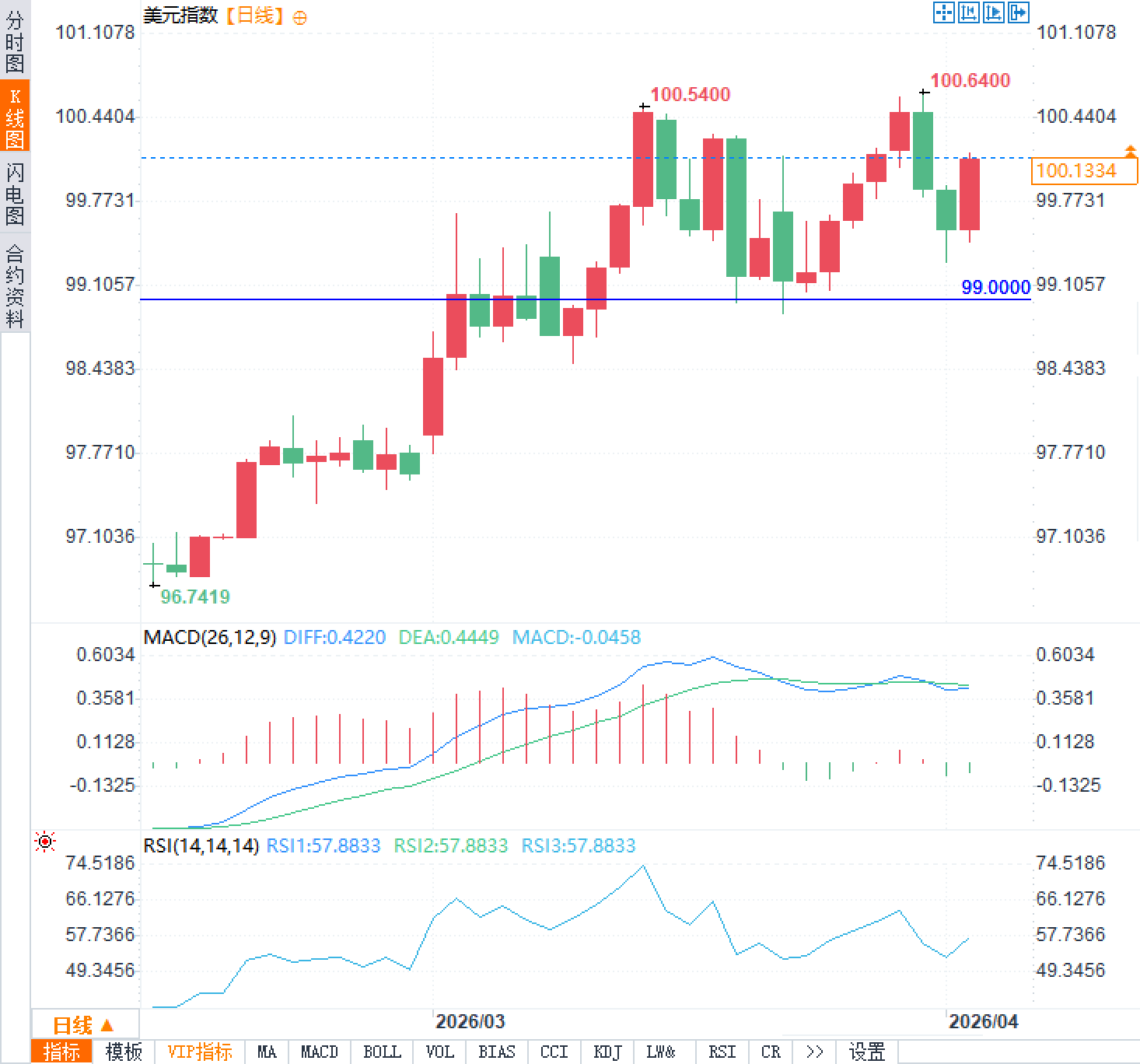
The US dollar index rebounded to around 100, while the euro fell 0.4% against the dollar to around 1.1530, testing support at the 100-hour moving average. In the oil market, Brent crude futures rose to around $108 per barrel, up about 7% from the previous trading day, while WTI crude futures also rose to $106 per barrel. Continued uncertainty at key nodes in the energy supply chain has directly driven risk sentiment towards caution, and traders are closely monitoring the impact of subsequent geopolitical developments on global asset pricing.
Drivers of the dollar's rebound
Following the US president's speech, market focus quickly shifted to the actual state of the Strait of Hormuz shipping lanes. This strait carries a significant proportion of global oil trade daily, and continued disruption will put sustained pressure on crude oil and natural gas flows. While the speech emphasized the severe damage to military capabilities, it offered no clear signal of an end, leading traders to extend their expectations for the recovery of energy supplies. As a traditional safe-haven asset, the US dollar attracted capital inflows in this environment, supporting its exchange rate strength. The US dollar index fluctuated around the 100 level, reflecting the repricing of major currency pairs driven by safe-haven demand. Historically, similar events show that when high energy prices push up global inflation expectations, the market's interpretation of the Federal Reserve's policy path tends to be more cautious. Overall, the speech's failure to immediately alleviate supply chain bottlenecks was the core catalyst for the dollar's rebound.
The logic behind rising energy prices
The Strait of Hormuz, a vital chokepoint for global energy transport, directly determines the stability of crude oil and natural gas supply. Following the speech, the market anticipated the disruption could last for weeks, amplifying the supply gap by millions of barrels per day. Brent and WTI crude oil prices rose in tandem, with gains exceeding 6%, reflecting traders' pricing adjustments to the April energy market pressures. The natural gas market was also affected, experiencing increased price volatility, which further impacted industrial and transportation costs. Historically, similar events have led to cumulative energy price increases of over 20% in a short period, indirectly affecting global economic growth expectations.
The linkage mechanism between the foreign exchange market and commodities
Traders observed that every $1 increase in oil prices per barrel corresponds to a potential support level of 0.1% to 0.2% for the US dollar index. Other major currency pairs, such as GBP/USD and USD/JPY, showed similar divergence. While the yen, as another safe-haven asset, received some support, the dollar's overall advantage was more pronounced. Against this backdrop, the policy paths of major central banks such as the Federal Reserve and the European Central Bank are receiving more attention: rising energy costs may push up short-term inflation readings, but may not change the tone of neutral monetary policy.
Frequently Asked Questions
Question 1: Why did the US President's speech cause the US dollar index to rebound?
A: Although the speech mentioned that the conflict objectives were close to being achieved, it clearly stated that it would take 2 to 3 weeks to conclude, which prolonged the expectation of a disruption in the Strait of Hormuz. The market had previously priced in a rapid recovery, and the discrepancy between the current situation and reality triggered increased demand for safe-haven assets, supporting the US dollar as a core safe-haven asset, with the index rising back to around 100.
Question 2: What are the core impacts of rising energy prices on the global market?
A: Continued supply disruptions will push up crude oil and natural gas costs, indirectly raising inflation expectations and amplifying economic uncertainty. Traders should focus on the impact on supply chains and corporate profits, rather than just price levels.
Question 3: How to understand the linkage between foreign exchange and energy?
A: High oil prices have heightened risk aversion, supporting a relatively strong US dollar while suppressing commodity currencies. Historical data shows that this correlation often lasts for weeks during periods of uncertainty, with key monitoring indicators including Straits Times Index and technical levels for major currency pairs.
- Risk Warning and Disclaimer
- The market involves risk, and trading may not be suitable for all investors. This article is for reference only and does not constitute personal investment advice, nor does it take into account certain users’ specific investment objectives, financial situation, or other needs. Any investment decisions made based on this information are at your own risk.