US special forces conduct a 200-mile rescue operation behind enemy lines; US Air Force colonel escapes after hiding in a crevice for 48 hours.
2026-04-06 14:33:45
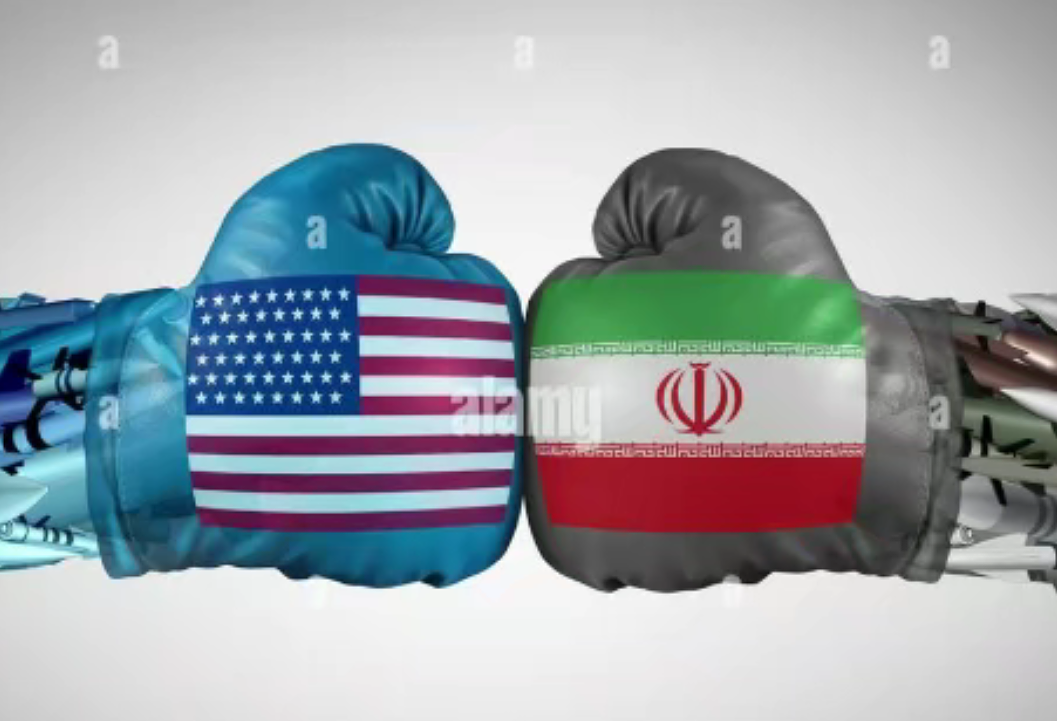
The conflict between the United States and Iran has entered its sixth week, and a high-stakes rescue operation has once again drawn global attention back to the battlefield.
A wounded U.S. Air Force colonel hid alone in a remote mountainous region of Iran for nearly two days, facing a manhunt by Iranian military and militia helicopters and drones. U.S. special forces penetrated 200 miles into enemy territory to successfully rescue him. This operation not only demonstrated the U.S. military's combat capabilities but also made this originally distant aerial conflict real and brutal.
The unidentified air force colonel was one of the two crew members on an F-15E Strike Eagle fighter jet shot down by Iranian forces last Friday. The aircraft's call sign was "Dude 44." After the crash, the crew ejected, one of whom was quickly rescued, while the colonel landed alone in the rugged mountain valleys of southwestern Iran.
According to U.S. officials, after landing, the pilot managed to climb a high ridge, activate an emergency beacon to prove he was still alive, and establish contact with the outside world.
He then hid in a crevice in the rocks for nearly two days. During this time, he sent a message via radio saying, "God is merciful." Washington was initially cautious about the authenticity of the message, fearing it might be a trap set by Iran, and officials urgently verified his identity.
Shortly after the fighter jet crashed, U.S. Defense Secretary Pete Hegseth and Chairman of the Joint Chiefs of Staff General Dan Caine immediately briefed President Trump. They stated that the Pentagon had contingency plans for such scenarios and was capable of rescuing the pilot.
White House Press Secretary Karoline Leavitt stated that Hegses then went to the Oval Office to report to Trump in person and request final instructions. Trump immediately approved the rescue operation, stating clearly, "We must get him out."
To carry out this high-risk mission, the U.S. mobilized approximately 100 special operations personnel, dozens of fighter jets and helicopters, and the CIA also conducted a deception operation at the last minute to buy precious time.
Early Sunday morning, U.S. aircraft roared even louder, and heavy artillery fire erupted as U.S. commandos penetrated 200 miles into Iranian territory and successfully located the pilot hiding in a crevice. While quickly transferring him to safety, to prevent advanced military equipment from falling into Iranian hands, the commandos destroyed the aircraft stranded on the ground, leaving only an explosion and a plume of smoke.
Forces under the command of U.S. Central Command used overwhelming firepower to contain Iranian armed forces. Four B-1 bombers, as part of an aerial formation, dropped nearly 100 satellite-guided bombs weighing 2,000 pounds each. MQ-9 Reaper drones also carried out precision strikes against Iranian militants approaching the pilots' hiding places.
U.S. officials said the operation was extremely risky, the kind that military commanders were both prepared for and deeply concerned about. The initial rescue attempt was aborted due to ground fire, and the crews of the two helicopters were injured and made an emergency landing in Kuwait.
The CIA played a crucial role in the operation. The agency used technology to pinpoint the pilot's location precisely to a crevice in the mountains and shared information in real time with the Pentagon and the White House. Simultaneously, the CIA spread disinformation within Iran, claiming that the U.S. military had located the pilot and was preparing to evacuate by land, thus misleading Iranian tracking forces.
U.S. officials revealed that other intelligence agencies also provided support. The U.S. coordinated intelligence sharing with Israel and suspended some attacks to facilitate the rescue. Israel also conducted strikes in the area of operation, destroying military targets that could threaten the evacuation.
Trump said Sunday morning, "When a pilot is shot down, in a very tricky country like Vietnam, you can't save them. He was wounded, but he managed to climb up and into a crevice in the rocks." He added that the pilot could hear U.S. forces searching for him and said, "A lot of amazing things happened."
On Easter morning, Trump posted on Truth Social to celebrate the success and issued a strong warning to Iran, demanding that the Strait of Hormuz be opened as soon as possible, or the United States would strike Iranian bridges and power plants.
The rescue operation sparked a strong reaction within the United States. Against the backdrop of declining support for the war, the Trump administration attempted to rally public sentiment, calling it the "Easter Miracle."
After completing the mission, to prevent technology leaks, the U.S. military destroyed two MC-130J special operations aircraft and two MH-6 Little Bird helicopters, worth over $100 million. This operation also exposed the complexities of modern warfare: to rescue a pilot, the U.S. had to suspend strikes on some Iranian targets, leading to Iran launching more weapons in the near future.
This operation was a success compared to the failed Iranian hostage rescue operation 46 years ago, but it also highlighted the immense challenges of conducting high-risk rescues in hostile territory. Iran, on the other hand, portrayed the downing of the US warplane as a propaganda victory and a challenge to US air superiority.
This dramatic rescue not only brought the American public's perception of war to a more acute level but also provided new narrative material for both sides in the conflict. Against the backdrop of rising energy costs and ongoing geopolitical tensions, the successful U.S. military operation deep into Iran will have a profound impact on the future battlefield situation.
A wounded U.S. Air Force colonel hid alone in a remote mountainous region of Iran for nearly two days, facing a manhunt by Iranian military and militia helicopters and drones. U.S. special forces penetrated 200 miles into enemy territory to successfully rescue him. This operation not only demonstrated the U.S. military's combat capabilities but also made this originally distant aerial conflict real and brutal.
Pilot survives alone after crash
The unidentified air force colonel was one of the two crew members on an F-15E Strike Eagle fighter jet shot down by Iranian forces last Friday. The aircraft's call sign was "Dude 44." After the crash, the crew ejected, one of whom was quickly rescued, while the colonel landed alone in the rugged mountain valleys of southwestern Iran.
According to U.S. officials, after landing, the pilot managed to climb a high ridge, activate an emergency beacon to prove he was still alive, and establish contact with the outside world.
He then hid in a crevice in the rocks for nearly two days. During this time, he sent a message via radio saying, "God is merciful." Washington was initially cautious about the authenticity of the message, fearing it might be a trap set by Iran, and officials urgently verified his identity.
Trump personally ordered the rescue operation.
Shortly after the fighter jet crashed, U.S. Defense Secretary Pete Hegseth and Chairman of the Joint Chiefs of Staff General Dan Caine immediately briefed President Trump. They stated that the Pentagon had contingency plans for such scenarios and was capable of rescuing the pilot.
White House Press Secretary Karoline Leavitt stated that Hegses then went to the Oval Office to report to Trump in person and request final instructions. Trump immediately approved the rescue operation, stating clearly, "We must get him out."
To carry out this high-risk mission, the U.S. mobilized approximately 100 special operations personnel, dozens of fighter jets and helicopters, and the CIA also conducted a deception operation at the last minute to buy precious time.
Special forces penetrate deep into enemy territory to carry out rescue operations
Early Sunday morning, U.S. aircraft roared even louder, and heavy artillery fire erupted as U.S. commandos penetrated 200 miles into Iranian territory and successfully located the pilot hiding in a crevice. While quickly transferring him to safety, to prevent advanced military equipment from falling into Iranian hands, the commandos destroyed the aircraft stranded on the ground, leaving only an explosion and a plume of smoke.
Forces under the command of U.S. Central Command used overwhelming firepower to contain Iranian armed forces. Four B-1 bombers, as part of an aerial formation, dropped nearly 100 satellite-guided bombs weighing 2,000 pounds each. MQ-9 Reaper drones also carried out precision strikes against Iranian militants approaching the pilots' hiding places.
U.S. officials said the operation was extremely risky, the kind that military commanders were both prepared for and deeply concerned about. The initial rescue attempt was aborted due to ground fire, and the crews of the two helicopters were injured and made an emergency landing in Kuwait.
Provided key support for CIA deception operations
The CIA played a crucial role in the operation. The agency used technology to pinpoint the pilot's location precisely to a crevice in the mountains and shared information in real time with the Pentagon and the White House. Simultaneously, the CIA spread disinformation within Iran, claiming that the U.S. military had located the pilot and was preparing to evacuate by land, thus misleading Iranian tracking forces.
U.S. officials revealed that other intelligence agencies also provided support. The U.S. coordinated intelligence sharing with Israel and suspended some attacks to facilitate the rescue. Israel also conducted strikes in the area of operation, destroying military targets that could threaten the evacuation.
Trump praised the operation as an "Easter miracle."
Trump said Sunday morning, "When a pilot is shot down, in a very tricky country like Vietnam, you can't save them. He was wounded, but he managed to climb up and into a crevice in the rocks." He added that the pilot could hear U.S. forces searching for him and said, "A lot of amazing things happened."
On Easter morning, Trump posted on Truth Social to celebrate the success and issued a strong warning to Iran, demanding that the Strait of Hormuz be opened as soon as possible, or the United States would strike Iranian bridges and power plants.
The rescue operation sparked a strong reaction within the United States. Against the backdrop of declining support for the war, the Trump administration attempted to rally public sentiment, calling it the "Easter Miracle."
Costs and strategic significance of the operation
After completing the mission, to prevent technology leaks, the U.S. military destroyed two MC-130J special operations aircraft and two MH-6 Little Bird helicopters, worth over $100 million. This operation also exposed the complexities of modern warfare: to rescue a pilot, the U.S. had to suspend strikes on some Iranian targets, leading to Iran launching more weapons in the near future.
This operation was a success compared to the failed Iranian hostage rescue operation 46 years ago, but it also highlighted the immense challenges of conducting high-risk rescues in hostile territory. Iran, on the other hand, portrayed the downing of the US warplane as a propaganda victory and a challenge to US air superiority.
This dramatic rescue not only brought the American public's perception of war to a more acute level but also provided new narrative material for both sides in the conflict. Against the backdrop of rising energy costs and ongoing geopolitical tensions, the successful U.S. military operation deep into Iran will have a profound impact on the future battlefield situation.
- Risk Warning and Disclaimer
- The market involves risk, and trading may not be suitable for all investors. This article is for reference only and does not constitute personal investment advice, nor does it take into account certain users’ specific investment objectives, financial situation, or other needs. Any investment decisions made based on this information are at your own risk.