Trump's threat to escalate attacks on Iranian civilian infrastructure has plunged the public into extreme fear and anxiety.
2026-04-07 14:55:29
More than a month after the Middle East conflict began, the Iranian people are making difficult preparations for a potentially more brutal situation.
US President Trump has recently issued multiple strong threats, stating that if Iran does not open the Strait of Hormuz by the stipulated deadline, he will launch a large-scale attack on Iranian power plants, bridges, and other civilian infrastructure. This statement has caused extreme unease and fear among ordinary Iranians who are already suffering from the ravages of war.
In Tehran, the capital of Iran, every household is sealing their windows with duct tape, and the whole family is huddled together in a room away from the glass to sleep in preparation for possible more intense bombing.
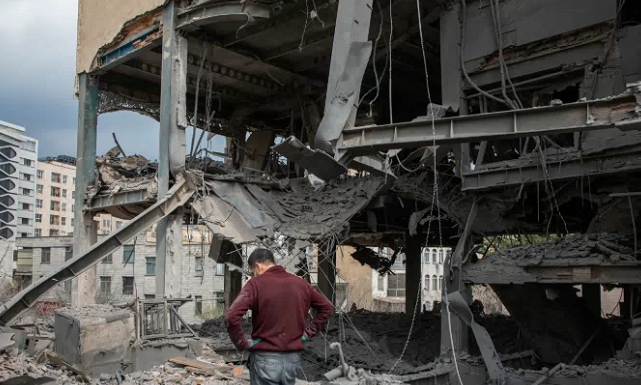
Tehran is experiencing its most prolonged bombing since the eight-year Iran-Iraq War in the 1980s, with frequent explosions at night constantly shaking residential buildings.
Many residents fear that new attacks could cripple critical infrastructure such as electricity and water supplies, leading to a rush to buy generators and other emergency equipment. A 38-year-old Tehran man said he had prepared an emergency kit containing canned food, drinking water, a power bank, and a rechargeable emergency light. He also filled his car with gas and was considering fleeing to the mountains north of Tehran if necessary. He anxiously asked, "If the critical infrastructure is completely destroyed, how long can we hold out?"
The protracted war and Trump's threats have left many Iranians living in constant fear. They are not only afraid of their own government, which killed thousands in its crackdown on protests earlier this year, but also uneasy about Americans who claim to be helping the Iranian people "gain freedom."
A 43-year-old Tehran woman undergoing breast cancer treatment said her biggest concern was that further attacks on infrastructure would severely impact her treatment. She said, "Trump promised aid would arrive soon, but the ongoing war and the destruction of facilities in many places are causing us great anxiety."
Another woman recalled being awakened by a huge explosion at 5:55 a.m. last week. She saw thick smoke rising nearby and immediately sent a message to her relatives and friends saying she was safe. Her area is close to a key stronghold of the Islamic Revolutionary Guard Corps.
Trump said on Sunday (April 5) that it would take Iran 20 years to recover from the damage caused by the war between the United States and Israel. He explicitly threatened to destroy all of Iran's power plants and bridges if Iran did not agree to open the Strait of Hormuz by Tuesday evening.
At a press conference on Monday, Trump further stated that the Iranian people would support attacks on facilities such as power plants if they could be freed from the country's hardline regime. He emphasized, "They would be willing to endure this pain for freedom."
However, the Iranian people I actually encountered expressed more deep fear than an expectation of "freedom." The aforementioned woman undergoing cancer treatment said, "We've been punished enough."
When the war broke out, Iran was mired in a severe economic crisis, and public discontent with the government was already quite high. Years of international sanctions and government mismanagement had led to a sharp devaluation of the currency, a rapid rise in inflation, and numerous large-scale protests. However, as the war continued, the United States and Israel launched more than 20,000 attacks, yet failed to overthrow the Iranian regime. Instead, this led to a shift in the attitudes of many who were initially dissatisfied with the government.
Many people are beginning to worry that the Iranian regime may become more entrenched and resentful after the war. A Tehran man said there are also concerns that if Trump's threatened attacks lead to a sudden collapse of the regime, it could plunge the entire country into chaotic chaos.
Unlike the Iraqi attacks on Tehran during the Iran-Iraq War in the 1980s, which were mainly limited to ground warfare, the bombings in this conflict have penetrated directly into the capital.
The Iranian government has cut off the internet, and most people are unable to fully understand the progress of the war. Only a few people, like the interviewees in this article, can access the internet through VPNs and obtain external information.
Many Tehran residents say they are unaware of the exact location of each government building or which officials live there, making it difficult to accurately determine the safety of their neighborhood.
One woman recalled that an earlier air raid blew the door of her building off. After studying the power of the munitions, she judged that although the distance was relatively close, her building would not be directly impacted. She said, "The most tormenting thing was the sudden, huge noise and strong shaking."
On another occasion, she saw a residential building collapsed next to an Islamic Revolutionary Guard Corps building. Staff said no one inside had died, but passersby were injured. She lamented that many casualties in war are innocent civilians.
Those who have left Iran find it difficult to truly understand the reality that the people back home are experiencing. One woman said, "They can't experience the real situation we're in, the sounds, smells, atmosphere, and the feeling of the air brushing against our skin."
Overall , Trump's escalating threats have plunged the already war-torn Iranian people into deeper fear and anxiety. The war has not only destroyed infrastructure but also profoundly altered people's expectations for the future. With basic services such as electricity, water, and healthcare potentially facing even greater threats, the daily lives of ordinary Iranians are facing unprecedented challenges. This situation not only tests the resilience of the Iranian people but also adds further complexity and uncertainty to the ultimate outcome of the Middle East conflict.
The international community continues to monitor the situation closely, as any further military escalation could lead to even more serious humanitarian consequences.
US President Trump has recently issued multiple strong threats, stating that if Iran does not open the Strait of Hormuz by the stipulated deadline, he will launch a large-scale attack on Iranian power plants, bridges, and other civilian infrastructure. This statement has caused extreme unease and fear among ordinary Iranians who are already suffering from the ravages of war.
Tehran residents take emergency self-help measures: sealing windows and stockpiling goods in preparation for the worst-case scenario.
In Tehran, the capital of Iran, every household is sealing their windows with duct tape, and the whole family is huddled together in a room away from the glass to sleep in preparation for possible more intense bombing.
Tehran is experiencing its most prolonged bombing since the eight-year Iran-Iraq War in the 1980s, with frequent explosions at night constantly shaking residential buildings.
Many residents fear that new attacks could cripple critical infrastructure such as electricity and water supplies, leading to a rush to buy generators and other emergency equipment. A 38-year-old Tehran man said he had prepared an emergency kit containing canned food, drinking water, a power bank, and a rechargeable emergency light. He also filled his car with gas and was considering fleeing to the mountains north of Tehran if necessary. He anxiously asked, "If the critical infrastructure is completely destroyed, how long can we hold out?"
The people are suffering in fear: they fear both their own government and their "saviors."
The protracted war and Trump's threats have left many Iranians living in constant fear. They are not only afraid of their own government, which killed thousands in its crackdown on protests earlier this year, but also uneasy about Americans who claim to be helping the Iranian people "gain freedom."
A 43-year-old Tehran woman undergoing breast cancer treatment said her biggest concern was that further attacks on infrastructure would severely impact her treatment. She said, "Trump promised aid would arrive soon, but the ongoing war and the destruction of facilities in many places are causing us great anxiety."
Another woman recalled being awakened by a huge explosion at 5:55 a.m. last week. She saw thick smoke rising nearby and immediately sent a message to her relatives and friends saying she was safe. Her area is close to a key stronghold of the Islamic Revolutionary Guard Corps.
Trump's tough stance has sparked greater concerns.
Trump said on Sunday (April 5) that it would take Iran 20 years to recover from the damage caused by the war between the United States and Israel. He explicitly threatened to destroy all of Iran's power plants and bridges if Iran did not agree to open the Strait of Hormuz by Tuesday evening.
At a press conference on Monday, Trump further stated that the Iranian people would support attacks on facilities such as power plants if they could be freed from the country's hardline regime. He emphasized, "They would be willing to endure this pain for freedom."
However, the Iranian people I actually encountered expressed more deep fear than an expectation of "freedom." The aforementioned woman undergoing cancer treatment said, "We've been punished enough."
War changes people's mentality and may make the regime more entrenched.
When the war broke out, Iran was mired in a severe economic crisis, and public discontent with the government was already quite high. Years of international sanctions and government mismanagement had led to a sharp devaluation of the currency, a rapid rise in inflation, and numerous large-scale protests. However, as the war continued, the United States and Israel launched more than 20,000 attacks, yet failed to overthrow the Iranian regime. Instead, this led to a shift in the attitudes of many who were initially dissatisfied with the government.
Many people are beginning to worry that the Iranian regime may become more entrenched and resentful after the war. A Tehran man said there are also concerns that if Trump's threatened attacks lead to a sudden collapse of the regime, it could plunge the entire country into chaotic chaos.
Unlike the Iraqi attacks on Tehran during the Iran-Iraq War in the 1980s, which were mainly limited to ground warfare, the bombings in this conflict have penetrated directly into the capital.
The Iranian government has cut off the internet, and most people are unable to fully understand the progress of the war. Only a few people, like the interviewees in this article, can access the internet through VPNs and obtain external information.
Ordinary residents are most worried about indiscriminate harm
Many Tehran residents say they are unaware of the exact location of each government building or which officials live there, making it difficult to accurately determine the safety of their neighborhood.
One woman recalled that an earlier air raid blew the door of her building off. After studying the power of the munitions, she judged that although the distance was relatively close, her building would not be directly impacted. She said, "The most tormenting thing was the sudden, huge noise and strong shaking."
On another occasion, she saw a residential building collapsed next to an Islamic Revolutionary Guard Corps building. Staff said no one inside had died, but passersby were injured. She lamented that many casualties in war are innocent civilians.
Those who have left Iran find it difficult to truly understand the reality that the people back home are experiencing. One woman said, "They can't experience the real situation we're in, the sounds, smells, atmosphere, and the feeling of the air brushing against our skin."
Overall , Trump's escalating threats have plunged the already war-torn Iranian people into deeper fear and anxiety. The war has not only destroyed infrastructure but also profoundly altered people's expectations for the future. With basic services such as electricity, water, and healthcare potentially facing even greater threats, the daily lives of ordinary Iranians are facing unprecedented challenges. This situation not only tests the resilience of the Iranian people but also adds further complexity and uncertainty to the ultimate outcome of the Middle East conflict.
The international community continues to monitor the situation closely, as any further military escalation could lead to even more serious humanitarian consequences.
- Risk Warning and Disclaimer
- The market involves risk, and trading may not be suitable for all investors. This article is for reference only and does not constitute personal investment advice, nor does it take into account certain users’ specific investment objectives, financial situation, or other needs. Any investment decisions made based on this information are at your own risk.