TTF hits a five-week low! Qatar LNG resumption imminent.
2026-04-08 15:05:06
European natural gas futures markets experienced significant volatility. The TTF benchmark natural gas price rose to €53.25 per megawatt-hour on Tuesday, April 7th, a 6.32% increase from the previous day. However, on Wednesday, news of a temporary ceasefire agreement between the US and Iran caused prices to plummet by over 17% to €44 per megawatt-hour, a five-week low. This shift reflects a rapid reassessment of Middle East supply risks by the market. The agreement, reached less than two hours before the deadline, directly addressed supply bottlenecks and reversed previous expectations of tightness due to regional conflict.
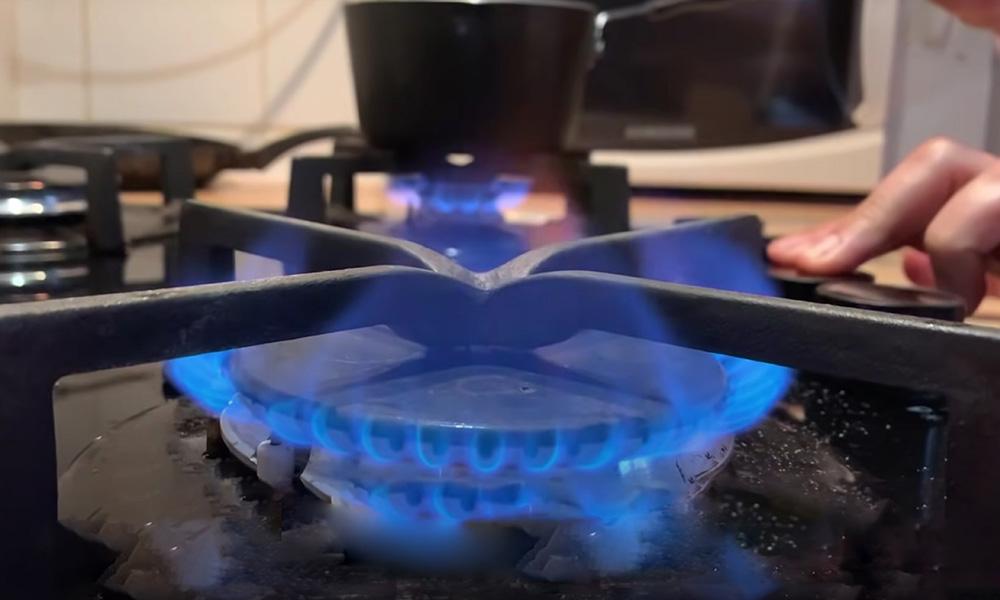
The US president agreed to a two-week suspension of planned strikes against Iran, on the condition that Iran ensures safe passage through the Strait of Hormuz. Iran confirmed that its military would be responsible for coordinating the passage and stated that negotiations had made progress. The US president noted that Iran's 10-point proposal forms a viable basis for a long-term peace framework. Since the outbreak of conflict in late February, traffic in the Strait has dropped sharply, and Qatar's supply of approximately 20% of global liquefied natural gas remains disrupted. This agreement directly alleviated market concerns about transport disruptions, leading to a rapid adjustment in futures contracts and a sharp compression of risk premiums. Traders observed that the price decline reflected a shift in supply expectations from tightness to easing, reducing short-term pressure on alternative energy procurement; however, the actual recovery of traffic flow still needs to verify the effectiveness of the agreement's implementation.
Following the announcement of the agreement, market volatility intensified and trading volume increased, reflecting traders' immediate reaction to the reassessment of fundamentals.
The Strait of Hormuz, a crucial passage for global liquefied natural gas (LNG) transport, historically handles approximately 20% of global traffic. Under the agreement, Iranian military coordination ensures security, allowing for the gradual resumption of Qatari LNG shipments. Previously, a sharp decline in traffic forced Europe to turn to higher-cost sources, pushing prices high. The resumption of navigation is expected to increase available supply in Europe, and although a full restart of Qatari facilities may take several weeks, short-term risks have been significantly reduced. European gas storage levels are currently around 30% full, well below the ten-year average, and stable supply is crucial to achieving storage targets. Traders are monitoring actual navigation data to determine whether prices will face further downward pressure or rebound.
Since the conflict began in late February, disruptions to Qatari LNG production have reduced global supply by approximately 20%, directly driving up benchmark prices in Europe. This disruption has not only affected Asian buyers but has also forced the European market into higher procurement costs and storage pressures. The ceasefire agreement provides a path to alleviate the disruption, but the pace of facility recovery depends on the outcome of protracted negotiations. Gas pricing is highly dependent on supply continuity, and current low storage levels amplify the risk of any volatility. Traders are focused on whether the agreement can translate into increased actual flow and whether Europe will need to rely on other sources to fill the gap.
The core content of the ceasefire agreement and its immediate market impact
The US president agreed to a two-week suspension of planned strikes against Iran, on the condition that Iran ensures safe passage through the Strait of Hormuz. Iran confirmed that its military would be responsible for coordinating the passage and stated that negotiations had made progress. The US president noted that Iran's 10-point proposal forms a viable basis for a long-term peace framework. Since the outbreak of conflict in late February, traffic in the Strait has dropped sharply, and Qatar's supply of approximately 20% of global liquefied natural gas remains disrupted. This agreement directly alleviated market concerns about transport disruptions, leading to a rapid adjustment in futures contracts and a sharp compression of risk premiums. Traders observed that the price decline reflected a shift in supply expectations from tightness to easing, reducing short-term pressure on alternative energy procurement; however, the actual recovery of traffic flow still needs to verify the effectiveness of the agreement's implementation.
| Key Indicators | Before the ceasefire | After the ceasefire | change |
|---|---|---|---|
| TTF Price (Euros/MWh) | 53.25 | 44 | -17% |
| Five-week position | higher than the low point | New low | - |
Potential impact of the resumption of navigation in the Strait of Hormuz on supply
The Strait of Hormuz, a crucial passage for global liquefied natural gas (LNG) transport, historically handles approximately 20% of global traffic. Under the agreement, Iranian military coordination ensures security, allowing for the gradual resumption of Qatari LNG shipments. Previously, a sharp decline in traffic forced Europe to turn to higher-cost sources, pushing prices high. The resumption of navigation is expected to increase available supply in Europe, and although a full restart of Qatari facilities may take several weeks, short-term risks have been significantly reduced. European gas storage levels are currently around 30% full, well below the ten-year average, and stable supply is crucial to achieving storage targets. Traders are monitoring actual navigation data to determine whether prices will face further downward pressure or rebound.
Background and fundamental reassessment of Qatar's LNG disruption
Since the conflict began in late February, disruptions to Qatari LNG production have reduced global supply by approximately 20%, directly driving up benchmark prices in Europe. This disruption has not only affected Asian buyers but has also forced the European market into higher procurement costs and storage pressures. The ceasefire agreement provides a path to alleviate the disruption, but the pace of facility recovery depends on the outcome of protracted negotiations. Gas pricing is highly dependent on supply continuity, and current low storage levels amplify the risk of any volatility. Traders are focused on whether the agreement can translate into increased actual flow and whether Europe will need to rely on other sources to fill the gap.
Frequently Asked Questions
Question 1: Why did the ceasefire agreement directly cause the price of TTF to plummet by more than 17%?
A: The agreement alleviated the risk of shipping disruptions in the Strait of Hormuz, prompting traders to immediately lower geopolitical premiums and shift supply expectations from tight to ample, directly pushing prices down to a five-week low of €44/MWh.
Question 2: What impact will the low level of European natural gas storage have on the current price decline?
A: Storage levels are only about 30% full, far below the historical average. Despite the price decline, restocking pressure remains, limiting further significant downside. Traders are focused on how the actual supply recovery will replenish the buffer capacity.
Question 3: What are the long-term market implications of Qatar's 20% supply disruption?
A: The disruption highlights the fragility of global supply chains. The agreement provides short-term relief, but the long-term outcome depends on the progress of negotiations. Traders are monitoring the resumption of flights to assess whether there will be a sustained shortage or price stability in 2026.
- Risk Warning and Disclaimer
- The market involves risk, and trading may not be suitable for all investors. This article is for reference only and does not constitute personal investment advice, nor does it take into account certain users’ specific investment objectives, financial situation, or other needs. Any investment decisions made based on this information are at your own risk.