Analysis of Iran's 10-point ceasefire conditions suggests both sides may have softened their stances, marking a significant turning point in peace negotiations.
2026-04-09 09:29:25
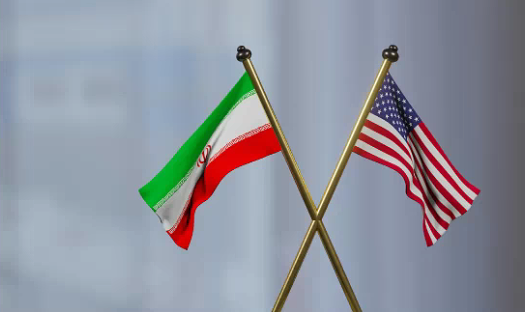
When US President Trump announced a ceasefire agreement with Iran on Tuesday (April 7), he stated that the US had received a 10-point plan and considered it "a viable basis for negotiations." On Wednesday, Iranian state media officially released this list, which covers several of the country's long-standing core demands. The White House responded that the version released by Iran is not the original ceasefire basis, but a revised, more reasonable, and streamlined plan, which created conditions for the US to agree to a ceasefire. The mediators also revealed on Wednesday evening that Iran has made concessions on several important issues, including the withdrawal of US troops from the region, war reparations, and nuclear enrichment activities.
The following analysis will detail Iran's 10 demands and explore areas where the United States might make compromises.
Iran's first demand was that both sides provide a formal guarantee of non-aggression.
This requirement allows for some flexibility in negotiations; the key lies in how to specifically define and implement the non-aggression clause. Iran has indicated to the mediators its desire for a global power such as China or Russia to act as a guarantor to prevent future attacks. However, the smooth operation of this mechanism remains uncertain, as it is unclear whether other countries are willing to assume guarantee responsibilities, and persuading Israel to agree not to take military action against Iran will also face significant obstacles.
The second point is that Iran insists on continuing to control the Strait of Hormuz.
This demand is likely one of the most difficult concessions for the United States to accept, as Trump has previously made it clear that the Strait of Hormuz must be fully open as a prerequisite for any ceasefire agreement. For U.S. allies in the Gulf region, allowing Iran to continue controlling this crucial passage would pose a serious strategic threat, tantamount to placing their main lifeline for oil and gas exports under the control of an adversary.
In the nuclear field, Iran demands that the United States recognize its right to enrich uranium.
This issue was a key point of contention that had stalled pre-war negotiations. However, mediators revealed that Iran has made a significant softening on the matter. Potential compromises include allowing Iran to retain a symbolic small amount of enrichment activities, or negotiating a reduction in its existing stockpile of enriched uranium, thus finding a balance between the two sides.
Iran also demanded the lifting of all first- and second-level sanctions imposed by the United States.
Primary sanctions primarily prohibit U.S. companies and individuals from conducting most business dealings with Iran. While the U.S. has expressed willingness to ease some sanctions within the framework of the agreement, Congressional approval to repeal sanctions already enshrined in law will face significant difficulties. Furthermore, sanctions related to Iranian terrorism or human rights abuses are unlikely to be completely lifted by the U.S. Secondary sanctions target foreign companies' dealings with Iran. The Obama administration suspended most of these under the 2015 nuclear agreement, and future agreements may include provisions to lift some secondary sanctions.
In addition, Iran hopes to end all UN Security Council resolutions, especially those sanctions that restrict its trade in conventional weapons, ballistic missiles and their components.
These sanctions were reinstated last year. Neither Washington nor European countries are likely to agree to allow Iran to legally rebuild its military using weapons from Russia or China. Trump also threatened on Wednesday to impose sanctions on any country that arms Iran.
Iran also demanded the termination of all relevant resolutions of the International Atomic Energy Agency Board of Governors in order to end the investigation into the country's past nuclear activities.
The mediator stated that Iran has softened its stance on this issue, and there had been some room for maneuver in past negotiations, such as allowing Iran to answer some questions confidentially, after which the International Atomic Energy Agency released a report and ended the investigation.
Iran's eighth point is that it demands the United States pay war reparations.
The mediator revealed that Iran has also made concessions on this demand. The United States is unlikely to agree to pay compensation outright, but both sides and the mediator have explored alternatives, such as using transit fees from the Strait of Hormuz to fund Iran's reconstruction, or utilizing Iranian oil funds frozen in places like Qatar. Iran is open to these ideas.
Point nine demands the complete withdrawal of U.S. combat troops from the region.
While Trump wants to reduce the U.S. military presence in the Middle East, Washington is unlikely to agree to a complete withdrawal of troops immediately after a war. Mediators stated that Iran has abandoned this demand. U.S. military bases are vital security guarantees for Gulf allies and are key to maintaining U.S. power projection capabilities in the region.
The final point is to demand a ceasefire on all fronts, including the front against Hezbollah in Lebanon.
This demand presents a significant challenge for Israel, which has explicitly refused to halt its military operations in Lebanon. US Vice President Vance stated on Wednesday that this understanding is flawed, and that the ceasefire agreement does not include the Lebanese front.
Overall, Iran’s 10 demands reflect its long-term strategic aspirations, but several concessions revealed by the mediators indicate that the two sides have opened up some room for reaching an agreement.
The United States may have some room for compromise on non-aggression guarantees, limited recognition of nuclear enrichment rights, partial lifting of sanctions, and alternative reconstruction funding arrangements. However, on issues such as control of the Strait of Hormuz, complete lifting of sanctions, and the complete withdrawal of US troops, the US position remains firm, and negotiations still face complex challenges.
The progress of these ceasefire negotiations is not only related to peace and stability in the Middle East, but will also directly affect the direction of the global energy market and the international financial order.
Whether the two sides can find more consensus on key points of disagreement in the coming days will determine whether this conflict can ultimately lead to lasting peace.
The following analysis will detail Iran's 10 demands and explore areas where the United States might make compromises.
The non-aggression pact and the struggle for control of the Strait of Hormuz
Iran's first demand was that both sides provide a formal guarantee of non-aggression.
This requirement allows for some flexibility in negotiations; the key lies in how to specifically define and implement the non-aggression clause. Iran has indicated to the mediators its desire for a global power such as China or Russia to act as a guarantor to prevent future attacks. However, the smooth operation of this mechanism remains uncertain, as it is unclear whether other countries are willing to assume guarantee responsibilities, and persuading Israel to agree not to take military action against Iran will also face significant obstacles.
The second point is that Iran insists on continuing to control the Strait of Hormuz.
This demand is likely one of the most difficult concessions for the United States to accept, as Trump has previously made it clear that the Strait of Hormuz must be fully open as a prerequisite for any ceasefire agreement. For U.S. allies in the Gulf region, allowing Iran to continue controlling this crucial passage would pose a serious strategic threat, tantamount to placing their main lifeline for oil and gas exports under the control of an adversary.
The nuclear issue, the lifting of sanctions, and the room for negotiation on international resolutions.
In the nuclear field, Iran demands that the United States recognize its right to enrich uranium.
This issue was a key point of contention that had stalled pre-war negotiations. However, mediators revealed that Iran has made a significant softening on the matter. Potential compromises include allowing Iran to retain a symbolic small amount of enrichment activities, or negotiating a reduction in its existing stockpile of enriched uranium, thus finding a balance between the two sides.
Iran also demanded the lifting of all first- and second-level sanctions imposed by the United States.
Primary sanctions primarily prohibit U.S. companies and individuals from conducting most business dealings with Iran. While the U.S. has expressed willingness to ease some sanctions within the framework of the agreement, Congressional approval to repeal sanctions already enshrined in law will face significant difficulties. Furthermore, sanctions related to Iranian terrorism or human rights abuses are unlikely to be completely lifted by the U.S. Secondary sanctions target foreign companies' dealings with Iran. The Obama administration suspended most of these under the 2015 nuclear agreement, and future agreements may include provisions to lift some secondary sanctions.
In addition, Iran hopes to end all UN Security Council resolutions, especially those sanctions that restrict its trade in conventional weapons, ballistic missiles and their components.
These sanctions were reinstated last year. Neither Washington nor European countries are likely to agree to allow Iran to legally rebuild its military using weapons from Russia or China. Trump also threatened on Wednesday to impose sanctions on any country that arms Iran.
Iran also demanded the termination of all relevant resolutions of the International Atomic Energy Agency Board of Governors in order to end the investigation into the country's past nuclear activities.
The mediator stated that Iran has softened its stance on this issue, and there had been some room for maneuver in past negotiations, such as allowing Iran to answer some questions confidentially, after which the International Atomic Energy Agency released a report and ended the investigation.
The key points of contention regarding war reparations, the withdrawal of US troops, and the scope of the ceasefire
Iran's eighth point is that it demands the United States pay war reparations.
The mediator revealed that Iran has also made concessions on this demand. The United States is unlikely to agree to pay compensation outright, but both sides and the mediator have explored alternatives, such as using transit fees from the Strait of Hormuz to fund Iran's reconstruction, or utilizing Iranian oil funds frozen in places like Qatar. Iran is open to these ideas.
Point nine demands the complete withdrawal of U.S. combat troops from the region.
While Trump wants to reduce the U.S. military presence in the Middle East, Washington is unlikely to agree to a complete withdrawal of troops immediately after a war. Mediators stated that Iran has abandoned this demand. U.S. military bases are vital security guarantees for Gulf allies and are key to maintaining U.S. power projection capabilities in the region.
The final point is to demand a ceasefire on all fronts, including the front against Hezbollah in Lebanon.
This demand presents a significant challenge for Israel, which has explicitly refused to halt its military operations in Lebanon. US Vice President Vance stated on Wednesday that this understanding is flawed, and that the ceasefire agreement does not include the Lebanese front.
Negotiation Outlook: Room for Compromise Coexists with Potential Risks
Overall, Iran’s 10 demands reflect its long-term strategic aspirations, but several concessions revealed by the mediators indicate that the two sides have opened up some room for reaching an agreement.
The United States may have some room for compromise on non-aggression guarantees, limited recognition of nuclear enrichment rights, partial lifting of sanctions, and alternative reconstruction funding arrangements. However, on issues such as control of the Strait of Hormuz, complete lifting of sanctions, and the complete withdrawal of US troops, the US position remains firm, and negotiations still face complex challenges.
The progress of these ceasefire negotiations is not only related to peace and stability in the Middle East, but will also directly affect the direction of the global energy market and the international financial order.
Whether the two sides can find more consensus on key points of disagreement in the coming days will determine whether this conflict can ultimately lead to lasting peace.
- Risk Warning and Disclaimer
- The market involves risk, and trading may not be suitable for all investors. This article is for reference only and does not constitute personal investment advice, nor does it take into account certain users’ specific investment objectives, financial situation, or other needs. Any investment decisions made based on this information are at your own risk.