The US-Iran ceasefire could not mask the devastating damage, with dozens of energy facilities in the Middle East destroyed, and persistently high global oil prices may become the new normal.
2026-04-09 14:37:37
The ceasefire agreement reached between US President Trump and Iran may temporarily quell the gunfire on the battlefield, but the severe damage to key energy infrastructure in the Middle East has left lasting wounds that are difficult to heal quickly. Even if the Strait of Hormuz reopens, the global oil and gas market will continue to face a tight supply situation for a long time, which will have a profound impact on international energy prices and the global economy.
During the 38-day conflict, Iran launched intensive missile and drone strikes against energy targets across the Middle East, severely damaging dozens of refineries, oil fields, and natural gas export terminals. These facilities included core refining units, crude oil production equipment, and liquefied natural gas processing sites, with the scope and extent of the damage far exceeding any previous regional conflict.
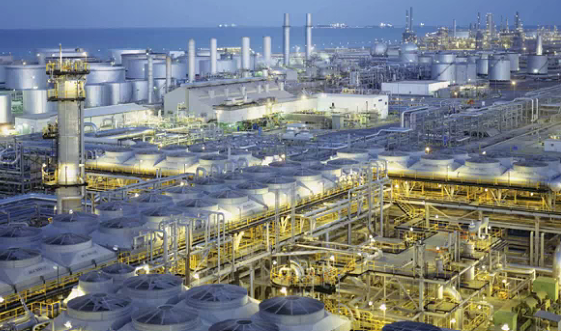
Harri Kytomaa, an engineer at the consulting firm Exponent who investigates industrial disasters, said of the scale of the destruction, "We have never seen anything like this before."
The International Energy Agency estimates that more than 40 critical energy assets have been damaged to varying degrees, constituting the largest energy supply disruption in history.
Research firm Rystad Energy estimates that the total cost of maintaining energy infrastructure in the Middle East could exceed $25 billion.
Repairing these damaged facilities presents significant challenges. Once the core units of a refinery are damaged, restoring production can take months or even longer. Even if crude oil production can be maintained, there will be a severe shortage of refined petroleum products, as reduced refining capacity directly impacts the output of products such as diesel, gasoline, and jet fuel. Meanwhile, damage to export terminals and port facilities makes it difficult to safely ship hydrocarbons abroad.
Henning Gloystein, managing director of the energy division at Eurasia Group, pointed out that even if a ceasefire quickly reopens the Strait of Hormuz, supply shortages will persist. He estimated that about a third of the refineries in the Gulf region have been damaged in the airstrikes, and that this loss of capacity "will take at least several months to repair, even after hostilities end."
At Ras Laffan, Qatar's largest liquefied natural gas (LNG) facility, an Iranian attack destroyed approximately 17% of its production capacity. According to Rezidor Energy analysis, full recovery could take until around 2030, with repair costs estimated at $10 billion. The damaged production lines include critical equipment such as giant cryogenic heat exchangers; these custom-designed components, once damaged, must be remanufactured, a time-consuming and labor-intensive process.
Following the ceasefire announcement, global benchmark Brent crude oil prices fell about 13% on Wednesday (April 8) to around $95 a barrel, but remained well above the level of around $60 at the beginning of the year. Eurasia Group predicts that even if the conflict ends completely, oil prices will remain above $80 a barrel this year.
Henning Gloist stated, "The anchor for oil prices has shifted from concerns about a blockade of the Strait of Hormuz to the hard reality of actual production losses."
In addition to limited crude oil production, declining refining capacity and damage to export facilities have jointly driven up refined oil prices, and this structural supply shortage is unlikely to be alleviated in the short term.
The impact of damage to energy infrastructure has extended beyond the oil and gas sector.
In the UAE, Bahrain, and other regions, aluminum smelters and port facilities were also attacked, and restarting operations could take more than a year, further pushing up metal prices. Kuwait, as a major victim of damage to its oil refining facilities, has already led to shortages of marine and aviation fuel in Asia and Europe.
Furthermore, due to difficulties in transporting crude oil out of the country, Iraq, Saudi Arabia, Kuwait, the UAE, Qatar, and Bahrain were forced to shut down a combined 7.5 million barrels per day of crude oil production in March. Sudden well shutdowns not only pose safety risks but can also cause permanent reservoir damage, leading to the complete loss of some production capacity.
Fraser McKay, director of upstream analysis at consulting firm Wood Mackenzie, pointed out that maintenance costs will take away about $100 billion that the oil and gas industry had planned to invest in the region this year. Companies will prioritize repairing existing facilities, while new growth projects will have to be postponed.
Overall , while the US-Iran ceasefire agreement has temporarily eased the military conflict, the severe damage to Middle Eastern energy infrastructure has long-term consequences. The global energy supply shortage and high oil prices are unlikely to change fundamentally in the short term, continuing to test the resilience of the global economy and serving as a wake-up call for national energy security strategies.
In the future, the progress of repairs, reconstruction costs, and the evolution of geopolitical risks will jointly determine the depth and duration of the ultimate impact of this energy crisis.
The scale of damage to energy facilities is unprecedented.
During the 38-day conflict, Iran launched intensive missile and drone strikes against energy targets across the Middle East, severely damaging dozens of refineries, oil fields, and natural gas export terminals. These facilities included core refining units, crude oil production equipment, and liquefied natural gas processing sites, with the scope and extent of the damage far exceeding any previous regional conflict.
Harri Kytomaa, an engineer at the consulting firm Exponent who investigates industrial disasters, said of the scale of the destruction, "We have never seen anything like this before."
The International Energy Agency estimates that more than 40 critical energy assets have been damaged to varying degrees, constituting the largest energy supply disruption in history.
Research firm Rystad Energy estimates that the total cost of maintaining energy infrastructure in the Middle East could exceed $25 billion.
The repair is extremely difficult and the supply shortage will continue for a long time.
Repairing these damaged facilities presents significant challenges. Once the core units of a refinery are damaged, restoring production can take months or even longer. Even if crude oil production can be maintained, there will be a severe shortage of refined petroleum products, as reduced refining capacity directly impacts the output of products such as diesel, gasoline, and jet fuel. Meanwhile, damage to export terminals and port facilities makes it difficult to safely ship hydrocarbons abroad.
Henning Gloystein, managing director of the energy division at Eurasia Group, pointed out that even if a ceasefire quickly reopens the Strait of Hormuz, supply shortages will persist. He estimated that about a third of the refineries in the Gulf region have been damaged in the airstrikes, and that this loss of capacity "will take at least several months to repair, even after hostilities end."
At Ras Laffan, Qatar's largest liquefied natural gas (LNG) facility, an Iranian attack destroyed approximately 17% of its production capacity. According to Rezidor Energy analysis, full recovery could take until around 2030, with repair costs estimated at $10 billion. The damaged production lines include critical equipment such as giant cryogenic heat exchangers; these custom-designed components, once damaged, must be remanufactured, a time-consuming and labor-intensive process.
Oil prices remain high and a significant drop is unlikely in the short term.
Following the ceasefire announcement, global benchmark Brent crude oil prices fell about 13% on Wednesday (April 8) to around $95 a barrel, but remained well above the level of around $60 at the beginning of the year. Eurasia Group predicts that even if the conflict ends completely, oil prices will remain above $80 a barrel this year.
Henning Gloist stated, "The anchor for oil prices has shifted from concerns about a blockade of the Strait of Hormuz to the hard reality of actual production losses."
In addition to limited crude oil production, declining refining capacity and damage to export facilities have jointly driven up refined oil prices, and this structural supply shortage is unlikely to be alleviated in the short term.
A wider economic ripple effect is beginning to emerge.
The impact of damage to energy infrastructure has extended beyond the oil and gas sector.
In the UAE, Bahrain, and other regions, aluminum smelters and port facilities were also attacked, and restarting operations could take more than a year, further pushing up metal prices. Kuwait, as a major victim of damage to its oil refining facilities, has already led to shortages of marine and aviation fuel in Asia and Europe.
Furthermore, due to difficulties in transporting crude oil out of the country, Iraq, Saudi Arabia, Kuwait, the UAE, Qatar, and Bahrain were forced to shut down a combined 7.5 million barrels per day of crude oil production in March. Sudden well shutdowns not only pose safety risks but can also cause permanent reservoir damage, leading to the complete loss of some production capacity.
Fraser McKay, director of upstream analysis at consulting firm Wood Mackenzie, pointed out that maintenance costs will take away about $100 billion that the oil and gas industry had planned to invest in the region this year. Companies will prioritize repairing existing facilities, while new growth projects will have to be postponed.
Overall , while the US-Iran ceasefire agreement has temporarily eased the military conflict, the severe damage to Middle Eastern energy infrastructure has long-term consequences. The global energy supply shortage and high oil prices are unlikely to change fundamentally in the short term, continuing to test the resilience of the global economy and serving as a wake-up call for national energy security strategies.
In the future, the progress of repairs, reconstruction costs, and the evolution of geopolitical risks will jointly determine the depth and duration of the ultimate impact of this energy crisis.
- Risk Warning and Disclaimer
- The market involves risk, and trading may not be suitable for all investors. This article is for reference only and does not constitute personal investment advice, nor does it take into account certain users’ specific investment objectives, financial situation, or other needs. Any investment decisions made based on this information are at your own risk.