Intervention again? Where did the pressure on the yen come from?
2026-04-16 20:06:05
On Thursday, April 16, the USD/JPY exchange rate experienced increased volatility, hitting a low of 158.26 before recovering slightly and currently trading between 158.8 and 159.0. Despite a significant recent pullback in the US dollar index, the yen remains relatively weak, with the exchange rate continuing to approach the 160 level. Recent statements by Japanese Finance Minister Katayama further reinforced the verbal intervention signal, while the anticipated interest rate hike by the Bank of Japan was significantly delayed, directly amplifying the pressure on authorities to consider direct intervention in the foreign exchange market in the short term. Traders are closely monitoring the potential impact of this development on exchange rate stability.

Following the G7 meeting, Japanese Finance Minister Katayama stated unequivocally that Japan is monitoring foreign exchange market movements with a high degree of urgency and has conveyed this position to other G7 members. She also revealed that she had held bilateral talks with US Treasury Secretary Scott Bessenter, emphasizing the need for close communication. These remarks followed her statement the previous day, when she noted the "absolute need to quell market volatility." This escalation of verbal intervention comes at a time when the dollar/yen exchange rate still faces the risk of breaking through the 160 level. Even with a generally weaker dollar, the yen's performance remains subdued, highlighting rising market expectations for direct action from Japanese authorities. Such official statements often create short-term pressure for currency corrections, but their sustained effectiveness depends on the strength of subsequent policy implementation and changes in global risk appetite.
The recent flurry of statements from Japanese authorities reflects their vigilance regarding excessive exchange rate volatility. Historical experience shows that verbal warnings can curb speculative buying to some extent, but if the exchange rate continues to approach key psychological levels, the authorities may need to assess more direct measures to maintain market order. In the current environment, exchange rate fluctuations not only affect the competitiveness of export-oriented companies but may also be transmitted to domestic price stability through import costs.
Bank of Japan Governor Kazuo Ueda failed to provide a clear signal this week that he was preparing for a rate hike this month, leading the Japanese interest rate market to currently price in a probability of only about 5 basis points, compared to earlier expectations of a higher probability. Reports indicate that the Bank of Japan will continue to assess the economic impact, price trends, and developments in the Middle East in the final moments. This stance of delaying tightening has further amplified potential differences in policy views. Some officials believe that a rate hike in April cannot be completely ruled out, but the overall probability has significantly decreased.
This adjustment in expectations has directly exacerbated pressure on the government to support the yen. The Bank of Japan's current policy rate remains at 0.75%, and if the pace of tightening slows, interest rate differentials will continue to support the upward trend of the USD/JPY exchange rate. Traders observe that even with a weakening global dollar, the yen is struggling to find fundamental support, which is closely related to expectations regarding the interest rate path. Delaying interest rate hikes not only weakens the yen's attractiveness as a funding currency but may also prolong the window for high-level exchange rate fluctuations.
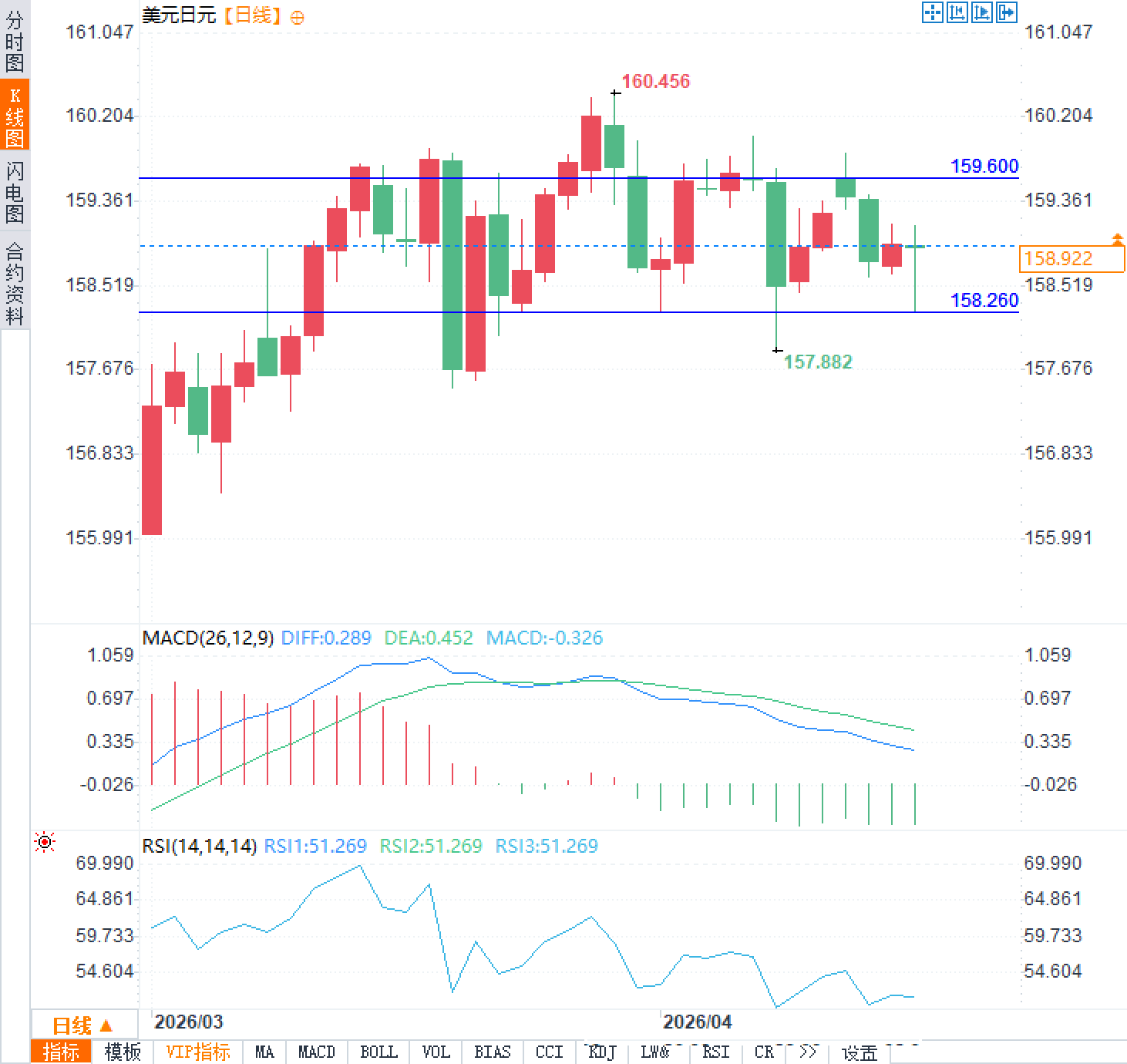
The Japanese yen's recent underperformance is primarily due to the persistent interest rate differential and the temporary impact of global risk events on safe-haven demand. Even with a pullback in the US dollar index, the yen has failed to rebound effectively, reflecting the complex interplay between fundamentals and policy expectations. Japanese authorities face a dual challenge: maintaining exchange rate stability while balancing economic growth and price targets. MUFG analysis points out that delaying the pace of tightening is increasing the necessity for direct government intervention, a view consistent with current market pricing.
From a broader perspective, a high exchange rate may amplify hedging costs for businesses and affect the pace of cross-border capital flows. Traders should pay close attention to the frequency and intensity of official statements and the details of policy disagreements revealed in the Bank of Japan's meeting minutes when assessing positions. These factors collectively shape the short-term exchange rate fluctuation path. In the current environment, any easing or escalation of tensions in the Middle East could indirectly affect the USD/JPY exchange rate through oil prices and global risk appetite.
Verbal intervention signals continue to escalate
Following the G7 meeting, Japanese Finance Minister Katayama stated unequivocally that Japan is monitoring foreign exchange market movements with a high degree of urgency and has conveyed this position to other G7 members. She also revealed that she had held bilateral talks with US Treasury Secretary Scott Bessenter, emphasizing the need for close communication. These remarks followed her statement the previous day, when she noted the "absolute need to quell market volatility." This escalation of verbal intervention comes at a time when the dollar/yen exchange rate still faces the risk of breaking through the 160 level. Even with a generally weaker dollar, the yen's performance remains subdued, highlighting rising market expectations for direct action from Japanese authorities. Such official statements often create short-term pressure for currency corrections, but their sustained effectiveness depends on the strength of subsequent policy implementation and changes in global risk appetite.
The recent flurry of statements from Japanese authorities reflects their vigilance regarding excessive exchange rate volatility. Historical experience shows that verbal warnings can curb speculative buying to some extent, but if the exchange rate continues to approach key psychological levels, the authorities may need to assess more direct measures to maintain market order. In the current environment, exchange rate fluctuations not only affect the competitiveness of export-oriented companies but may also be transmitted to domestic price stability through import costs.
The profound impact of the Bank of Japan's delayed interest rate hike expectations
Bank of Japan Governor Kazuo Ueda failed to provide a clear signal this week that he was preparing for a rate hike this month, leading the Japanese interest rate market to currently price in a probability of only about 5 basis points, compared to earlier expectations of a higher probability. Reports indicate that the Bank of Japan will continue to assess the economic impact, price trends, and developments in the Middle East in the final moments. This stance of delaying tightening has further amplified potential differences in policy views. Some officials believe that a rate hike in April cannot be completely ruled out, but the overall probability has significantly decreased.
This adjustment in expectations has directly exacerbated pressure on the government to support the yen. The Bank of Japan's current policy rate remains at 0.75%, and if the pace of tightening slows, interest rate differentials will continue to support the upward trend of the USD/JPY exchange rate. Traders observe that even with a weakening global dollar, the yen is struggling to find fundamental support, which is closely related to expectations regarding the interest rate path. Delaying interest rate hikes not only weakens the yen's attractiveness as a funding currency but may also prolong the window for high-level exchange rate fluctuations.
Causes of Yen Weakness and Policy Responses
The Japanese yen's recent underperformance is primarily due to the persistent interest rate differential and the temporary impact of global risk events on safe-haven demand. Even with a pullback in the US dollar index, the yen has failed to rebound effectively, reflecting the complex interplay between fundamentals and policy expectations. Japanese authorities face a dual challenge: maintaining exchange rate stability while balancing economic growth and price targets. MUFG analysis points out that delaying the pace of tightening is increasing the necessity for direct government intervention, a view consistent with current market pricing.
From a broader perspective, a high exchange rate may amplify hedging costs for businesses and affect the pace of cross-border capital flows. Traders should pay close attention to the frequency and intensity of official statements and the details of policy disagreements revealed in the Bank of Japan's meeting minutes when assessing positions. These factors collectively shape the short-term exchange rate fluctuation path. In the current environment, any easing or escalation of tensions in the Middle East could indirectly affect the USD/JPY exchange rate through oil prices and global risk appetite.
Frequently Asked Questions
Question 1: What direct effect do the verbal intervention remarks by the Japanese Finance Minister have on the USD/JPY exchange rate?
A: Such statements often suppress the upward momentum of the exchange rate in the short term by raising market expectations of direct intervention. For example, after this statement, the exchange rate quickly fell back to a low of 158.26, but without follow-up action, the effect may gradually weaken. It is necessary to distinguish between verbal signals and actual intervention; the former has more of an impact on sentiment, while the latter directly changes the supply and demand balance.
Question 2: Why does the delayed expectation of a Bank of Japan interest rate hike increase the pressure to intervene?
A: The delayed tightening has maintained a high interest rate differential, allowing the yen to continue its role as a funding currency. Even with a dollar pullback, the yen remains unsupported, forcing the government to use other tools to stabilize the exchange rate. MUFG analysis suggests that this policy shift is transferring pressure from the central bank to fiscal authorities, creating a sense of urgency for short-term intervention.
- Risk Warning and Disclaimer
- The market involves risk, and trading may not be suitable for all investors. This article is for reference only and does not constitute personal investment advice, nor does it take into account certain users’ specific investment objectives, financial situation, or other needs. Any investment decisions made based on this information are at your own risk.