Is the US going to war to regain its "existing advantages"? The more it fights, the more isolated it becomes.
2026-04-21 21:49:03
The war with Iran, launched by the United States and Israel on February 28, has not only continued to weaken the United States’ global influence, but has also amplified its tensions with many countries. As strategic rivals such as China take advantage of the situation to make their moves, the trend of the United States losing power may be difficult to reverse.
The United States is currently racking its brains to obtain the opening of the Strait of Hormuz and the signing of a nuclear agreement with Iran as a victory to bring the war to a close, even though these victories already belonged to the United States before the war began.
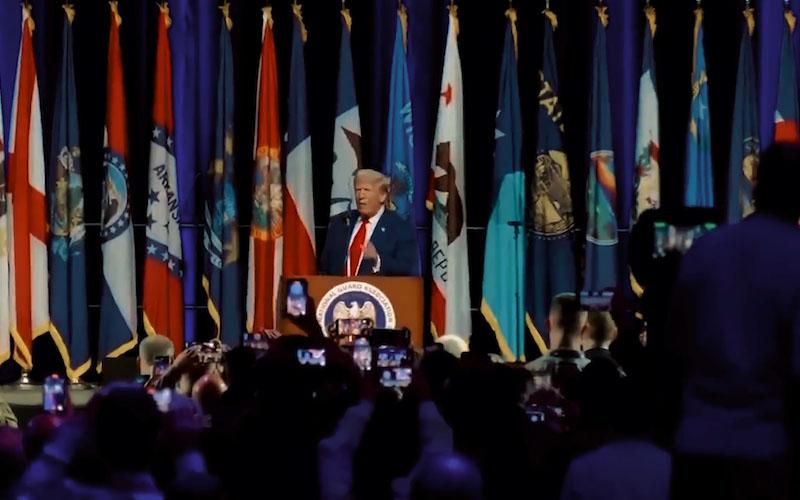
The chain reaction of the war has spread to many parts of the world.
From Bangladesh to Slovenia, fuel rationing has severely disrupted logistics systems, leaving world leaders in a passive position as they deal with the aftermath of this war they were not drawn into.
In Muslim-majority countries, anti-American sentiment is spreading in the media and is tacitly approved by the government.
Even NATO allies provide limited military support to the US, with some countries explicitly stating that the Trump administration did not consult with the US before launching the war.
Since Trump returned to the White House, his frequent use of economic and military power in a non-systematic manner, including measures such as imposing tariffs, has already triggered widespread international concern. The outbreak of the war with Iran has further escalated this distrust and accelerated the process of "decoupling" between the United States and most parts of the world.
An anonymous Asian diplomat in Washington said, "Many countries are dissatisfied with the chaotic state of the war and worried about the potential economic impact, but there have been no large-scale protests yet. If the next president takes a more rational policy stance, the United States' international image may be repaired, but this has raised a long-standing strategic question: where are the boundaries of alliances?"
To what extent can our cooperation with the United States be maintained, and how should we adjust our strategic layout if the United States becomes unreliable?
Signals are emerging that foreign powers are distancing themselves from the United States.
In a video address on Sunday, Canadian Prime Minister Mark Carney defined the economic ties with the United States as a “systemic weakness” that needs to be corrected.
Carney emphasized that "we must strengthen our own economic resilience, as the reliance on a single external partner is extremely risky." He added that "we cannot control policy shocks from our neighbors, nor can we gamble on the future hoping that these shocks will subside on their own," as his criticism of Trump's threats to acquire Greenland and other issues has become increasingly sharp.
At the level of military alliances, the rifts have become increasingly apparent.
In past regional conflicts, US presidents have always been able to secure the support of allies, but this time the Trump administration failed to inform key allies of its war plans beforehand and did not make any clear demands for coordination afterward.
This approach led to a critical consequence: in response to the closure of the Strait of Hormuz, Britain and France led several Allied conferences but excluded the United States, and began to develop a postwar navigation guarantee plan. The initiative focused on the defense of commercial shipping in the strait, but the implementation time and troop deployment were still under negotiation.
More seriously, the "Peace Commission" established under Trump's leadership has led to further alienation from allies. The body, ostensibly aimed at promoting the implementation of the agreement between Israel and Hamas, is suspected of undermining the United Nations. Ultimately, only two EU member states, Hungary and Bulgaria, officially joined, while countries such as Belgium made it clear that they would not provide financial support.
German Chancellor Merz stated bluntly that the war has become a "stress test for transatlantic relations," while former US Ambassador to NATO, Ivo Daalde, warned that the erosion of trust within NATO could continue.
The dramatic upheaval in the energy market has become another major driver of decoupling. The closure of the Strait of Hormuz and Iran's attacks on Middle Eastern energy facilities have severely damaged the global energy industry.
As the world's largest oil and gas producer, the United States has seen a short-term increase in its energy influence, but this advantage is unlikely to be sustainable.
Asian countries most severely impacted by price volatility have implemented measures such as working from home or suspending energy exports, and have vowed to accelerate the installation of renewable energy capacity and restart nuclear power plants;
Europe, having learned from the lessons of the Russia-Ukraine conflict, is committed to reducing its dependence on a single energy source, expanding energy efficiency improvement and renewable energy projects, and increasing the promotion of electric vehicles.
To avoid the risk of stagflation caused by fossil fuel shortages and soaring prices, countries are increasingly viewing alternatives such as solar energy and energy storage batteries as strategic necessities. China is becoming a key partner, controlling the absolute dominance of the solar energy supply chain, producing electric vehicles at highly competitive costs, and monopolizing most of the mineral resources needed for clean energy.
According to data from China's National Energy Administration, by the end of 2025, China's installed capacity of renewable energy reached 2.34 billion kilowatts, accounting for 60% of the total installed capacity, providing an important cooperation option for the world.
In response to the criticism, White House spokeswoman Anna Kelly defended Trump's "America First" policy, saying it has translated into better trade deals, strengthened cooperation in combating drug trafficking, and increased defense spending by allies.
She stated, "Global leaders have been paying close attention to the Iranian threat for 47 years, yet no one has dared to take concrete action. Once all goals, including the complete elimination of the Iranian nuclear threat, are achieved, the world will be safer and more stable."
Energy Secretary Chris Wright also emphasized that the United States, as the world's largest net exporter of oil and gas, will consolidate its influence through traditional energy sources and question the effectiveness of renewable energy subsidies.
But Asian Development Bank President Masato Kanda's view is more representative: "Our goal is not only to deal with the current shocks, but also to take advantage of this period of uncertainty to build a more resilient long-term stable foundation."
Several former U.S. officials have pointed out that Trump's strategic wavering on the Iran issue has severely undermined the international community's trust in U.S. policy.
Thomas Wright, a former National Security Council official during the Biden administration, said, “Allies find it difficult to judge the credibility of its policies, adversaries cannot assess its strategic deterrence, and even cabinet members are unclear about its core intentions. In the long run, while the United States’ global position is not going to collapse, if strategic drift continues, countries such as China and Russia will seize the strategic initiative in the next two years and nine months.”
Trump's supporters, however, believe that while the current tough measures may cause short-term pain, they will bring strategic benefits in the long run.
Alexander Gray, a former senior official at the National Security Council, said that striking Iran and its destabilizing activities would create favorable conditions for future U.S. government foreign policy.
From alienation from allies to restructuring of the energy landscape, from cracks in military alliances to the loss of international trust, the Iran war is accelerating the decoupling of the United States from the global system in multiple dimensions.
This conflict not only exposed the chaos and paranoia of US foreign policy, but also prompted countries to re-examine their relationship with the United States. The adjustment of a multipolar global order has been quietly accelerated under the catalysis of this war.
The United States is currently racking its brains to obtain the opening of the Strait of Hormuz and the signing of a nuclear agreement with Iran as a victory to bring the war to a close, even though these victories already belonged to the United States before the war began.
Global backlash and alienation from allies exacerbate the crisis of trust.
The chain reaction of the war has spread to many parts of the world.
From Bangladesh to Slovenia, fuel rationing has severely disrupted logistics systems, leaving world leaders in a passive position as they deal with the aftermath of this war they were not drawn into.
In Muslim-majority countries, anti-American sentiment is spreading in the media and is tacitly approved by the government.
Even NATO allies provide limited military support to the US, with some countries explicitly stating that the Trump administration did not consult with the US before launching the war.
Since Trump returned to the White House, his frequent use of economic and military power in a non-systematic manner, including measures such as imposing tariffs, has already triggered widespread international concern. The outbreak of the war with Iran has further escalated this distrust and accelerated the process of "decoupling" between the United States and most parts of the world.
An anonymous Asian diplomat in Washington said, "Many countries are dissatisfied with the chaotic state of the war and worried about the potential economic impact, but there have been no large-scale protests yet. If the next president takes a more rational policy stance, the United States' international image may be repaired, but this has raised a long-standing strategic question: where are the boundaries of alliances?"
To what extent can our cooperation with the United States be maintained, and how should we adjust our strategic layout if the United States becomes unreliable?
Frequent signs of diplomatic estrangement have prompted many countries to adjust their stance on cooperation.
Signals are emerging that foreign powers are distancing themselves from the United States.
In a video address on Sunday, Canadian Prime Minister Mark Carney defined the economic ties with the United States as a “systemic weakness” that needs to be corrected.
Carney emphasized that "we must strengthen our own economic resilience, as the reliance on a single external partner is extremely risky." He added that "we cannot control policy shocks from our neighbors, nor can we gamble on the future hoping that these shocks will subside on their own," as his criticism of Trump's threats to acquire Greenland and other issues has become increasingly sharp.
The military alliance is cracking, and the coordination system is on the verge of collapse.
At the level of military alliances, the rifts have become increasingly apparent.
In past regional conflicts, US presidents have always been able to secure the support of allies, but this time the Trump administration failed to inform key allies of its war plans beforehand and did not make any clear demands for coordination afterward.
This approach led to a critical consequence: in response to the closure of the Strait of Hormuz, Britain and France led several Allied conferences but excluded the United States, and began to develop a postwar navigation guarantee plan. The initiative focused on the defense of commercial shipping in the strait, but the implementation time and troop deployment were still under negotiation.
More seriously, the "Peace Commission" established under Trump's leadership has led to further alienation from allies. The body, ostensibly aimed at promoting the implementation of the agreement between Israel and Hamas, is suspected of undermining the United Nations. Ultimately, only two EU member states, Hungary and Bulgaria, officially joined, while countries such as Belgium made it clear that they would not provide financial support.
German Chancellor Merz stated bluntly that the war has become a "stress test for transatlantic relations," while former US Ambassador to NATO, Ivo Daalde, warned that the erosion of trust within NATO could continue.
Energy landscape restructuring and decoupling gain substantial impetus
The dramatic upheaval in the energy market has become another major driver of decoupling. The closure of the Strait of Hormuz and Iran's attacks on Middle Eastern energy facilities have severely damaged the global energy industry.
As the world's largest oil and gas producer, the United States has seen a short-term increase in its energy influence, but this advantage is unlikely to be sustainable.
Asian countries most severely impacted by price volatility have implemented measures such as working from home or suspending energy exports, and have vowed to accelerate the installation of renewable energy capacity and restart nuclear power plants;
Europe, having learned from the lessons of the Russia-Ukraine conflict, is committed to reducing its dependence on a single energy source, expanding energy efficiency improvement and renewable energy projects, and increasing the promotion of electric vehicles.
To avoid the risk of stagflation caused by fossil fuel shortages and soaring prices, countries are increasingly viewing alternatives such as solar energy and energy storage batteries as strategic necessities. China is becoming a key partner, controlling the absolute dominance of the solar energy supply chain, producing electric vehicles at highly competitive costs, and monopolizing most of the mineral resources needed for clean energy.
According to data from China's National Energy Administration, by the end of 2025, China's installed capacity of renewable energy reached 2.34 billion kilowatts, accounting for 60% of the total installed capacity, providing an important cooperation option for the world.
Policy disputes clash, strategic direction shrouded in mystery.
In response to the criticism, White House spokeswoman Anna Kelly defended Trump's "America First" policy, saying it has translated into better trade deals, strengthened cooperation in combating drug trafficking, and increased defense spending by allies.
She stated, "Global leaders have been paying close attention to the Iranian threat for 47 years, yet no one has dared to take concrete action. Once all goals, including the complete elimination of the Iranian nuclear threat, are achieved, the world will be safer and more stable."
Energy Secretary Chris Wright also emphasized that the United States, as the world's largest net exporter of oil and gas, will consolidate its influence through traditional energy sources and question the effectiveness of renewable energy subsidies.
But Asian Development Bank President Masato Kanda's view is more representative: "Our goal is not only to deal with the current shocks, but also to take advantage of this period of uncertainty to build a more resilient long-term stable foundation."
Behind the decoupling, the global order is being reshaped at an accelerated pace.
Several former U.S. officials have pointed out that Trump's strategic wavering on the Iran issue has severely undermined the international community's trust in U.S. policy.
Thomas Wright, a former National Security Council official during the Biden administration, said, “Allies find it difficult to judge the credibility of its policies, adversaries cannot assess its strategic deterrence, and even cabinet members are unclear about its core intentions. In the long run, while the United States’ global position is not going to collapse, if strategic drift continues, countries such as China and Russia will seize the strategic initiative in the next two years and nine months.”
Trump's supporters, however, believe that while the current tough measures may cause short-term pain, they will bring strategic benefits in the long run.
Alexander Gray, a former senior official at the National Security Council, said that striking Iran and its destabilizing activities would create favorable conditions for future U.S. government foreign policy.
From alienation from allies to restructuring of the energy landscape, from cracks in military alliances to the loss of international trust, the Iran war is accelerating the decoupling of the United States from the global system in multiple dimensions.
This conflict not only exposed the chaos and paranoia of US foreign policy, but also prompted countries to re-examine their relationship with the United States. The adjustment of a multipolar global order has been quietly accelerated under the catalysis of this war.
- Risk Warning and Disclaimer
- The market involves risk, and trading may not be suitable for all investors. This article is for reference only and does not constitute personal investment advice, nor does it take into account certain users’ specific investment objectives, financial situation, or other needs. Any investment decisions made based on this information are at your own risk.