Federal Reserve Chairman Jerome Powell faces a crucial decision that could drastically alter the global monetary policy landscape.
2026-04-27 11:16:52
The current global financial situation is in a sensitive and delicate period, and the core personnel of the Federal Reserve are undergoing a major change. Federal Reserve Chairman Jerome Powell is about to finish his term at the helm of the Federal Reserve.
With the latest special ruling from the U.S. Department of Justice taking effect, Powell faces a critical dilemma. His decision to stay or leave will not only affect the internal workings of the Federal Reserve, but will also directly disrupt global monetary policy and influence the trends of various financial assets. The subsequent chain reaction should not be underestimated.
Recently, U.S. Attorney Jeanine Pirro publicly announced via social media that the criminal investigation into the renovation and oversight of the Federal Reserve headquarters has been formally transferred to the Federal Reserve's Chief Inspector for special supervision and coordination. This compliance action signifies that the U.S. Department of Justice has temporarily withdrawn from the entire process of this special investigation.
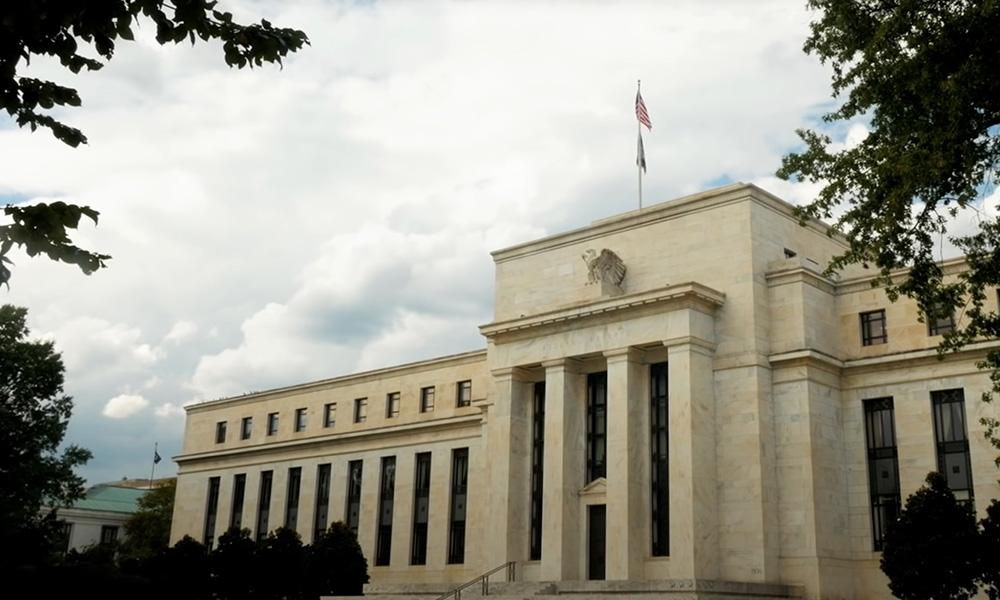
Industry insiders analyze that while this procedural adjustment may seem like a routine transfer of official duties, its core and special background is highly noteworthy. Previously, Jerome Powell had publicly stated his commitment to upholding his duties and clearly indicated his full presence throughout the criminal investigation. Now that external intervention has been withdrawn, the previously deadlocked personnel situation has been completely broken. Powell must quickly finalize a solution: either follow the long-standing practice of the Federal Reserve, emulating previous Fed chairs by smoothly stepping down at the end of their terms; or remain in his post until the remaining two years of his term as a Fed governor are over.
Behind this personnel turmoil lies a deeper core conflict: the severe impact on the Federal Reserve's independent functioning, with excessive interference from external political forces disrupting the normal order of financial governance. High-ranking US politicians have intensified their pressure, frequently forcing the Fed to lower benchmark interest rates, continuously pressuring and summoning Powell for talks, and simultaneously orchestrating the removal of incumbent Fed Governor Lisa Cook—an intervention far exceeding that of previous political leaders.
Kevin Warsh, currently considered a leading candidate to succeed the Federal Reserve's president, faces collective skepticism from Congressional Democrats, who see him as a loyal follower of political factions. His appointment, if successful, would further undermine the Fed's neutral stance. While Warsh has completed his initial inquiries, several senators are working together to stall the process, demanding a full review before initiating the vote, thus temporarily halting the appointment process.
Research teams from leading financial institutions, based on a comprehensive assessment of the situation, have offered clear predictions. Krishna Guha, Head of Global Policy and Central Bank Strategy at a well-known institution, stated that Powell is highly likely to remain in his post for several months as a regular Fed governor. The core purpose is to avoid unfounded speculation and prevent negative publicity from escalating, such as pressure to leave or private compromises. Meanwhile, Kevin Warsh's previously published radical comments regarding the reform of the Fed's mechanisms have also compelled Powell to proactively remain in his post to safeguard the Fed's internal operations, ensure the smooth performance of duties by existing staff, and uphold the core operational bottom line of the central bank.
The Federal Reserve spokesperson remained silent throughout the proceedings and did not disclose any information regarding Powell's future plans.
The entire financial market is closely monitoring this personnel reshuffle, as the allocation of seats on the Federal Reserve Board of Governors directly impacts both subsequent interest rate adjustments and internal personnel appointments. Industry analysts generally predict that if the market perceives the Fed as deeply embroiled in political interference, the implementation of subsequent interest rate cuts will become significantly more difficult. Senior financial strategist David Zervos stated that Powell's smooth and timely departure will directly benefit the US stock market, improve overall sentiment in the interest rate market, and drive down bond yields; the overall positive effect far outweighs the short-term benefits of the investigation's conclusion.
Following the conclusion of the Federal Reserve's regular policy meeting, Powell will hold a special press conference to publicly address the core controversy surrounding his potential departure from the Fed. The market will also closely monitor the policy statements of the new successor to prepare for potential changes in monetary policy.
In summary, this personnel decision has far-reaching implications and will become a key indicator of global financial market trends in the short term.
With the latest special ruling from the U.S. Department of Justice taking effect, Powell faces a critical dilemma. His decision to stay or leave will not only affect the internal workings of the Federal Reserve, but will also directly disrupt global monetary policy and influence the trends of various financial assets. The subsequent chain reaction should not be underestimated.
The investigation process has taken a turn, and a personnel deadlock has officially emerged.
Recently, U.S. Attorney Jeanine Pirro publicly announced via social media that the criminal investigation into the renovation and oversight of the Federal Reserve headquarters has been formally transferred to the Federal Reserve's Chief Inspector for special supervision and coordination. This compliance action signifies that the U.S. Department of Justice has temporarily withdrawn from the entire process of this special investigation.
Industry insiders analyze that while this procedural adjustment may seem like a routine transfer of official duties, its core and special background is highly noteworthy. Previously, Jerome Powell had publicly stated his commitment to upholding his duties and clearly indicated his full presence throughout the criminal investigation. Now that external intervention has been withdrawn, the previously deadlocked personnel situation has been completely broken. Powell must quickly finalize a solution: either follow the long-standing practice of the Federal Reserve, emulating previous Fed chairs by smoothly stepping down at the end of their terms; or remain in his post until the remaining two years of his term as a Fed governor are over.
The risk of political interference is rising, and the independence of central banks is being challenged.
Behind this personnel turmoil lies a deeper core conflict: the severe impact on the Federal Reserve's independent functioning, with excessive interference from external political forces disrupting the normal order of financial governance. High-ranking US politicians have intensified their pressure, frequently forcing the Fed to lower benchmark interest rates, continuously pressuring and summoning Powell for talks, and simultaneously orchestrating the removal of incumbent Fed Governor Lisa Cook—an intervention far exceeding that of previous political leaders.
Kevin Warsh, currently considered a leading candidate to succeed the Federal Reserve's president, faces collective skepticism from Congressional Democrats, who see him as a loyal follower of political factions. His appointment, if successful, would further undermine the Fed's neutral stance. While Warsh has completed his initial inquiries, several senators are working together to stall the process, demanding a full review before initiating the vote, thus temporarily halting the appointment process.
The organization anticipates that retention will be the primary focus, aiming to avoid negative public opinion.
Research teams from leading financial institutions, based on a comprehensive assessment of the situation, have offered clear predictions. Krishna Guha, Head of Global Policy and Central Bank Strategy at a well-known institution, stated that Powell is highly likely to remain in his post for several months as a regular Fed governor. The core purpose is to avoid unfounded speculation and prevent negative publicity from escalating, such as pressure to leave or private compromises. Meanwhile, Kevin Warsh's previously published radical comments regarding the reform of the Fed's mechanisms have also compelled Powell to proactively remain in his post to safeguard the Fed's internal operations, ensure the smooth performance of duties by existing staff, and uphold the core operational bottom line of the central bank.
The Federal Reserve spokesperson remained silent throughout the proceedings and did not disclose any information regarding Powell's future plans.
Global financial markets are on high alert, closely monitoring personnel changes.
The entire financial market is closely monitoring this personnel reshuffle, as the allocation of seats on the Federal Reserve Board of Governors directly impacts both subsequent interest rate adjustments and internal personnel appointments. Industry analysts generally predict that if the market perceives the Fed as deeply embroiled in political interference, the implementation of subsequent interest rate cuts will become significantly more difficult. Senior financial strategist David Zervos stated that Powell's smooth and timely departure will directly benefit the US stock market, improve overall sentiment in the interest rate market, and drive down bond yields; the overall positive effect far outweighs the short-term benefits of the investigation's conclusion.
Following the conclusion of the Federal Reserve's regular policy meeting, Powell will hold a special press conference to publicly address the core controversy surrounding his potential departure from the Fed. The market will also closely monitor the policy statements of the new successor to prepare for potential changes in monetary policy.
In summary, this personnel decision has far-reaching implications and will become a key indicator of global financial market trends in the short term.
- Risk Warning and Disclaimer
- The market involves risk, and trading may not be suitable for all investors. This article is for reference only and does not constitute personal investment advice, nor does it take into account certain users’ specific investment objectives, financial situation, or other needs. Any investment decisions made based on this information are at your own risk.