The Iran war is disrupting energy markets; the Bank of England is likely to hold rates steady this week; the divergence between hawks and doves is widening.
2026-04-27 14:05:28
Amid escalating geopolitical tensions, the Bank of England is about to hold a crucial monetary policy meeting. Markets widely expect the Bank of England to maintain its benchmark interest rate this Thursday (April 30th) while conducting a preliminary assessment of the potential impact of a war with Iran on the UK economy. This decision reflects not only the central bank's cautious approach in an uncertain environment but also highlights the complex balance between inflationary pressures and slowing economic growth. Investors will closely watch the meeting's outcome and the subsequent press conference to determine whether the central bank signals a gradual tightening of policy.
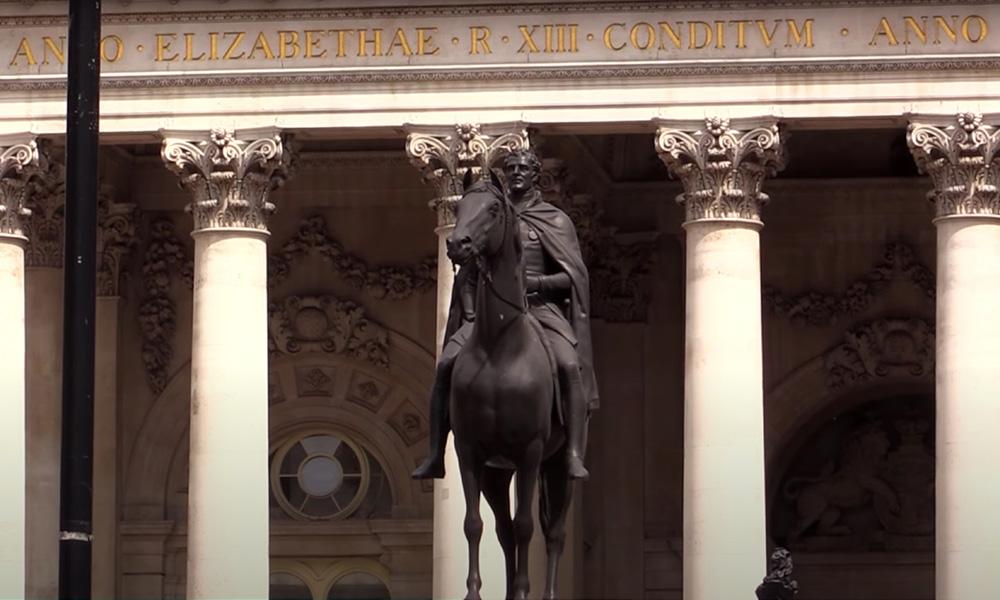
Market surveys indicate that the Bank of England's Monetary Policy Committee (MPC) is likely to vote 8-1 to maintain the current benchmark interest rate at 3.75%. In the March meeting, the vote was unanimous 9-0. It is widely believed that given the continued high geopolitical uncertainty stemming from the Iran conflict, the central bank's decision to remain on hold this week is a prudent strategy.
Central Bank Governor Andrew Bailey had previously warned the market against prematurely betting on interest rate hikes. He emphasized that it was too early to judge the long-term impact of the war on inflation and that more data was needed to observe the transmission path of energy price shocks. However, financial markets have priced in a higher probability of a rate hike later this year. By last Friday, the market had largely priced in a 25 basis point rate hike in July and anticipated another rate hike in September, or even a small probability of a third rate hike before the end of the year.
While Bailey leaned towards a cautious wait-and-see approach, Bank of England Chief Economist Peale publicly expressed a different view on April 17. He stated, "If you keep waiting and watching, and you don't see anything, then you're just waiting." This statement reflects the unease among some policymakers regarding persistent inflationary pressures. They are particularly concerned about the rise in service prices in March and signs that businesses are facing strong price pressures.
Some analysts believe that as many as three members of the Monetary Policy Committee may call for an interest rate hike to 4.0% to preemptively prevent a wage spiral and increased pricing pressure on businesses that could be triggered by a surge in overall inflation. In contrast, other members are more focused on the risk of further weakness in the hiring market and the impact of war on consumer and business confidence.
The UK economy's heavy reliance on natural gas makes it particularly vulnerable to the current conflict. The war with Iran has led to a significant rise in energy prices and a substantial increase in business input costs. Data released last week showed that businesses' expectations for price increases over the next 12 months are growing at a record pace. This cost transmission could push up overall inflation, testing the central bank's policy response capabilities.
Given the uncertainty surrounding the duration of the war and the extent to which rising energy prices will transmit to core inflation, the Monetary Policy Committee is likely to reiterate its March statement of "being prepared to act." However, Thomas Pugh, chief economist at accounting firm RSM, points out that any hawkish rhetoric does not necessarily mean interest rates will be raised soon. If economic data declines in the coming months, focus may shift back to concerns about economic growth.
Following this meeting, the Bank of England will also release its first comprehensive economic forecast update since the start of the Iran-Iraq War. This forecast is likely to show upward pressure on inflation in 2026 and 2027, along with signs of slowing economic growth. This data will provide the market with further clues about the policy path.
Half an hour after the interest rate decision is announced, Bailey and other members of the Monetary Policy Committee will hold a press conference to answer questions about the current economic situation, the assessment of the impact of the war, and future policy direction. Market participants will be looking for any subtle signals regarding a rate hike or maintaining a cautious stance.
Overall, the Bank of England is highly likely to keep interest rates unchanged at its meeting this week, allowing more time to observe the combined impact of the Iran war on energy prices, inflation path, and economic growth. Despite internal hawkish and dovish divisions, and the fact that financial markets have already priced in some potential rate hikes, the central bank generally leans towards a data-driven, cautious strategy. Future developments will depend on the evolution of the conflict, the transmission of costs to businesses, and the performance of subsequent economic data. Investors should remain vigilant, as any changes in policy signals could significantly impact the pound exchange rate, the bond market, and broader financial assets.
Q1: What is the most likely decision the Bank of England will make at its meeting this week? Why choose to hold rates steady?
The Bank of England is expected to keep its benchmark interest rate unchanged at 3.75% this Thursday, primarily due to the continued high level of geopolitical uncertainty stemming from the war with Iran. The central bank needs more time to assess the specific impact of rising energy prices on UK inflation and economic growth. The duration and transmission path of the conflict remain unclear, and premature policy adjustments could pose unnecessary risks. Governor Bailey has clearly stated that it is too early to judge the long-term impact of the war on inflation, therefore maintaining the status quo helps avoid policy miscalculations.
Q2: How will the war with Iran affect the British economy, especially inflationary pressures?
Because the UK is heavily reliant on natural gas imports, the surge in energy prices caused by the Iran war has had a particularly significant impact on the British economy. The sharp rise in business input costs has fueled rapidly increasing expectations of future price increases, potentially leading to higher wage demands and product pricing, creating a potential inflationary spiral. The war could also dampen consumer and business confidence, increasing the risk of weak hiring and creating stagflationary pressures. The central bank's forecast update may show rising inflation in 2026-2027, coupled with slower economic growth.
Q3: Why is there a hawkish/dovish divide within the Bank of England? What is the significance of Chief Economist Peale's views?
Hawkish members focused on rising service prices and pricing pressures on businesses, arguing that the high inflation risk (recalling the over 11% inflation in 2022) was sufficient to justify raising interest rates now to prevent a double-edged sword. Doves, on the other hand, emphasized the risks of slowing economic growth and damaged confidence. Peel questioned a purely "wait-and-see" strategy, pointing out that passively waiting without actual observation reflects a desire among some members to proactively address persistent inflationary pressures rather than relying entirely on future data.
Q4: Why is there a discrepancy between the expectations of financial markets and economists?
Financial markets have priced in a possible rate hike later this year (July, September, or even the end of the year) as investors are sensitive to the transmission of energy shocks. However, surveys show that most economists expect no rate hikes this year, believing central banks will prioritize data monitoring. This divergence between more aggressive market pricing and economists' focus on the drag on growth from war uncertainty reflects a difference in risk appetite versus data-driven judgment.
Q5: What aspects should the market focus on after this meeting? How will future policy paths evolve?
Investors should pay close attention to whether the meeting statement reiterates the "readiness to act" stance, and Bailey's assessment of the war's impact at the press conference. Newly released economic forecasts will reveal the inflation and growth outlook. If the conflict eases and energy prices fall, room for interest rate cuts may reappear; if the war prolongs and inflation transmission is strong, hawkish voices may intensify. Overall, the Bank of England will continue its data-dependent strategy. Declining economic data in the coming months may refocus attention on growth concerns, and policy adjustments will depend on the evolution of the conflict and the actual path of inflation. These key factors will help readers better understand the complex background and potential risks of current UK monetary policy.
Meeting Expectations: Interest rates are likely to remain unchanged.
Market surveys indicate that the Bank of England's Monetary Policy Committee (MPC) is likely to vote 8-1 to maintain the current benchmark interest rate at 3.75%. In the March meeting, the vote was unanimous 9-0. It is widely believed that given the continued high geopolitical uncertainty stemming from the Iran conflict, the central bank's decision to remain on hold this week is a prudent strategy.
Central Bank Governor Andrew Bailey had previously warned the market against prematurely betting on interest rate hikes. He emphasized that it was too early to judge the long-term impact of the war on inflation and that more data was needed to observe the transmission path of energy price shocks. However, financial markets have priced in a higher probability of a rate hike later this year. By last Friday, the market had largely priced in a 25 basis point rate hike in July and anticipated another rate hike in September, or even a small probability of a third rate hike before the end of the year.
Internal disagreement: Chief economist questions "wait-and-see" strategy
While Bailey leaned towards a cautious wait-and-see approach, Bank of England Chief Economist Peale publicly expressed a different view on April 17. He stated, "If you keep waiting and watching, and you don't see anything, then you're just waiting." This statement reflects the unease among some policymakers regarding persistent inflationary pressures. They are particularly concerned about the rise in service prices in March and signs that businesses are facing strong price pressures.
Some analysts believe that as many as three members of the Monetary Policy Committee may call for an interest rate hike to 4.0% to preemptively prevent a wage spiral and increased pricing pressure on businesses that could be triggered by a surge in overall inflation. In contrast, other members are more focused on the risk of further weakness in the hiring market and the impact of war on consumer and business confidence.
The potential impact of the Iran war on the British economy
The UK economy's heavy reliance on natural gas makes it particularly vulnerable to the current conflict. The war with Iran has led to a significant rise in energy prices and a substantial increase in business input costs. Data released last week showed that businesses' expectations for price increases over the next 12 months are growing at a record pace. This cost transmission could push up overall inflation, testing the central bank's policy response capabilities.
Given the uncertainty surrounding the duration of the war and the extent to which rising energy prices will transmit to core inflation, the Monetary Policy Committee is likely to reiterate its March statement of "being prepared to act." However, Thomas Pugh, chief economist at accounting firm RSM, points out that any hawkish rhetoric does not necessarily mean interest rates will be raised soon. If economic data declines in the coming months, focus may shift back to concerns about economic growth.
Upcoming economic forecasts and follow-up communication
Following this meeting, the Bank of England will also release its first comprehensive economic forecast update since the start of the Iran-Iraq War. This forecast is likely to show upward pressure on inflation in 2026 and 2027, along with signs of slowing economic growth. This data will provide the market with further clues about the policy path.
Half an hour after the interest rate decision is announced, Bailey and other members of the Monetary Policy Committee will hold a press conference to answer questions about the current economic situation, the assessment of the impact of the war, and future policy direction. Market participants will be looking for any subtle signals regarding a rate hike or maintaining a cautious stance.
Overall, the Bank of England is highly likely to keep interest rates unchanged at its meeting this week, allowing more time to observe the combined impact of the Iran war on energy prices, inflation path, and economic growth. Despite internal hawkish and dovish divisions, and the fact that financial markets have already priced in some potential rate hikes, the central bank generally leans towards a data-driven, cautious strategy. Future developments will depend on the evolution of the conflict, the transmission of costs to businesses, and the performance of subsequent economic data. Investors should remain vigilant, as any changes in policy signals could significantly impact the pound exchange rate, the bond market, and broader financial assets.
Frequently Asked Questions
Q1: What is the most likely decision the Bank of England will make at its meeting this week? Why choose to hold rates steady?
The Bank of England is expected to keep its benchmark interest rate unchanged at 3.75% this Thursday, primarily due to the continued high level of geopolitical uncertainty stemming from the war with Iran. The central bank needs more time to assess the specific impact of rising energy prices on UK inflation and economic growth. The duration and transmission path of the conflict remain unclear, and premature policy adjustments could pose unnecessary risks. Governor Bailey has clearly stated that it is too early to judge the long-term impact of the war on inflation, therefore maintaining the status quo helps avoid policy miscalculations.
Q2: How will the war with Iran affect the British economy, especially inflationary pressures?
Because the UK is heavily reliant on natural gas imports, the surge in energy prices caused by the Iran war has had a particularly significant impact on the British economy. The sharp rise in business input costs has fueled rapidly increasing expectations of future price increases, potentially leading to higher wage demands and product pricing, creating a potential inflationary spiral. The war could also dampen consumer and business confidence, increasing the risk of weak hiring and creating stagflationary pressures. The central bank's forecast update may show rising inflation in 2026-2027, coupled with slower economic growth.
Q3: Why is there a hawkish/dovish divide within the Bank of England? What is the significance of Chief Economist Peale's views?
Hawkish members focused on rising service prices and pricing pressures on businesses, arguing that the high inflation risk (recalling the over 11% inflation in 2022) was sufficient to justify raising interest rates now to prevent a double-edged sword. Doves, on the other hand, emphasized the risks of slowing economic growth and damaged confidence. Peel questioned a purely "wait-and-see" strategy, pointing out that passively waiting without actual observation reflects a desire among some members to proactively address persistent inflationary pressures rather than relying entirely on future data.
Q4: Why is there a discrepancy between the expectations of financial markets and economists?
Financial markets have priced in a possible rate hike later this year (July, September, or even the end of the year) as investors are sensitive to the transmission of energy shocks. However, surveys show that most economists expect no rate hikes this year, believing central banks will prioritize data monitoring. This divergence between more aggressive market pricing and economists' focus on the drag on growth from war uncertainty reflects a difference in risk appetite versus data-driven judgment.
Q5: What aspects should the market focus on after this meeting? How will future policy paths evolve?
Investors should pay close attention to whether the meeting statement reiterates the "readiness to act" stance, and Bailey's assessment of the war's impact at the press conference. Newly released economic forecasts will reveal the inflation and growth outlook. If the conflict eases and energy prices fall, room for interest rate cuts may reappear; if the war prolongs and inflation transmission is strong, hawkish voices may intensify. Overall, the Bank of England will continue its data-dependent strategy. Declining economic data in the coming months may refocus attention on growth concerns, and policy adjustments will depend on the evolution of the conflict and the actual path of inflation. These key factors will help readers better understand the complex background and potential risks of current UK monetary policy.
- Risk Warning and Disclaimer
- The market involves risk, and trading may not be suitable for all investors. This article is for reference only and does not constitute personal investment advice, nor does it take into account certain users’ specific investment objectives, financial situation, or other needs. Any investment decisions made based on this information are at your own risk.