The new Federal Reserve Chairman faces three major challenges upon taking office, with a crisis of confidence looming and an uncertain future.
2026-04-28 09:46:38
Kevin Warsh is about to officially assume the presidency as Chairman of the Federal Reserve, overseeing the overall direction of core monetary policy across the United States. However , data from a special survey conducted by authoritative financial institutions simultaneously reveals negative signals, with industry professionals expressing serious doubts about his core competencies. They are focusing on questioning his independence, his ability to implement balance sheet reduction, and his professional competence in flexibly adjusting the pace of interest rate cuts. With these multiple controversies compounded, the future direction of the Federal Reserve's monetary policy remains highly uncertain.
This special survey was conducted across a wide range of senior economists and financial strategy analysts, and the timing of the survey coincided with the conclusion of Warsh's Senate confirmation hearing.
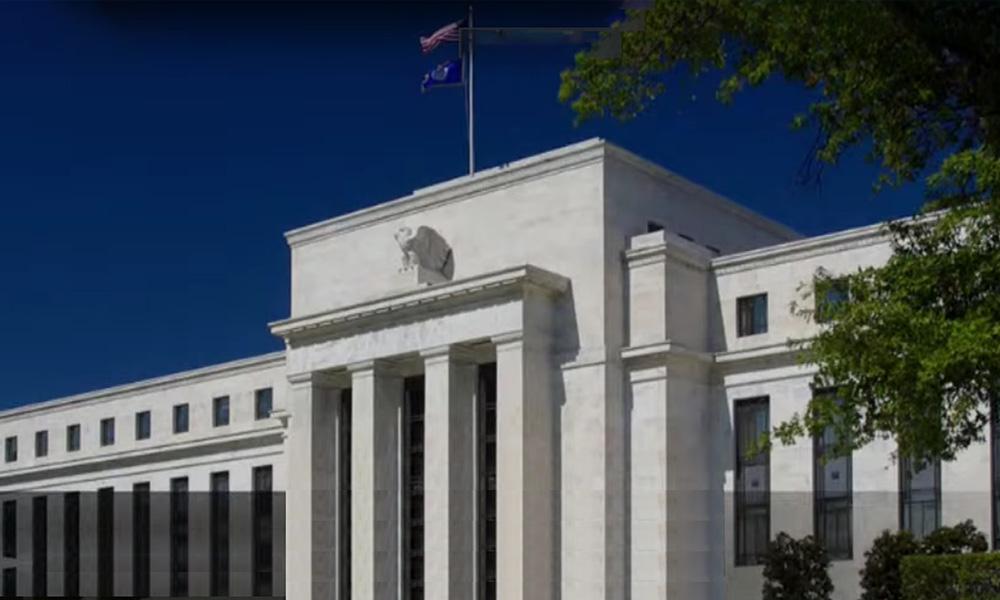
Data shows that only half of the industry insiders surveyed believed that the new Federal Reserve Chairman was capable of independently conducting monetary policy analysis and implementation, while nearly half stated that his independence in performing his duties was weak and easily influenced by external forces. Hugh Johnson, a senior economist in the industry, said that he hoped the new Fed Chairman would uphold the bottom line of independent performance, but practical concerns remained, and his actual performance still needed long-term observation.
Overall, while market concerns about its independence have eased slightly compared to the previous period, the core trust gap has not been filled. The statements made at the hearing only slightly improved the industry's perception and failed to completely dispel the concerns of certain groups.
On the eve of taking office, Walsh successfully overcame key obstacles on his path to office, completed the relevant special investigations, and formally terminated the criminal investigation. He can now assume office smoothly only after the Senate Banking Committee completes its regular vote.
In public, he has made it clear that he will strictly adhere to the bottom line of the Federal Reserve's independent monetary policy, while cooperating with the executive branch and Congress in a compliant manner to coordinate and connect with his non-monetary related work.
Industry veterans are focusing on the extent of their collaboration with the Treasury Department. John Donaldson, head of fixed income at Haverford Trust, said that the core focus of industry monitoring is whether the two will break the established financial cooperation rules that have been in place for many years, disrupting the mature pattern of regional operation of government bond management and monetary policy. This is also a key criterion for judging whether the independence of the Federal Reserve has been compromised.
Industry analysts are clearly divided on Warsh's policy leanings. Most predict he will implement interest rate cuts to meet market demand and firmly push forward with a significant reduction in his balance sheet. Industry estimates suggest that if the Fed initiates its first round of balance sheet reduction, the scale of the reduction could be substantial. However, over half of industry insiders pessimistically predict that the first round of annual balance sheet reduction is unlikely to be implemented as scheduled. There is widespread concern that continued balance sheet reduction will directly offset the effectiveness of low-interest-rate controls, slow the recovery of the real economy, and disrupt the stable operation of the stock market; the combined negative risks cannot be ignored.
In addition, the assessment of the benefits of artificial intelligence empowering the real economy has become a new point of contention. Warsh advocates for anticipating and positioning for related benefits in line with monetary policy, while over 80% of professionals insist that effective data must be available before it can be incorporated into policy considerations . Jack Kleinhenz, senior economic advisor at the National Retail Federation, stated that short-term inflationary pressures have not yet eased, and blindly and prematurely loosening monetary policy is inconsistent with the current economic fundamentals.
In summary , the new Federal Reserve Chair faces numerous controversies on the eve of his inauguration, with three major challenges simultaneously emerging: insufficient independence and credibility, pressure on policy implementation, and differing industry assessments. Amidst these multiple uncertainties, the Fed's subsequent monetary policy will struggle to be implemented smoothly, and global financial markets will face a new round of volatility.
The issue of independence in fulfilling duties remains highly controversial, and while approval ratings have slightly improved, underlying concerns persist.
This special survey was conducted across a wide range of senior economists and financial strategy analysts, and the timing of the survey coincided with the conclusion of Warsh's Senate confirmation hearing.
Data shows that only half of the industry insiders surveyed believed that the new Federal Reserve Chairman was capable of independently conducting monetary policy analysis and implementation, while nearly half stated that his independence in performing his duties was weak and easily influenced by external forces. Hugh Johnson, a senior economist in the industry, said that he hoped the new Fed Chairman would uphold the bottom line of independent performance, but practical concerns remained, and his actual performance still needed long-term observation.
Overall, while market concerns about its independence have eased slightly compared to the previous period, the core trust gap has not been filled. The statements made at the hearing only slightly improved the industry's perception and failed to completely dispel the concerns of certain groups.
Appointment approval clears key obstacles, but boundaries of collaboration raise industry concerns.
On the eve of taking office, Walsh successfully overcame key obstacles on his path to office, completed the relevant special investigations, and formally terminated the criminal investigation. He can now assume office smoothly only after the Senate Banking Committee completes its regular vote.
In public, he has made it clear that he will strictly adhere to the bottom line of the Federal Reserve's independent monetary policy, while cooperating with the executive branch and Congress in a compliant manner to coordinate and connect with his non-monetary related work.
Industry veterans are focusing on the extent of their collaboration with the Treasury Department. John Donaldson, head of fixed income at Haverford Trust, said that the core focus of industry monitoring is whether the two will break the established financial cooperation rules that have been in place for many years, disrupting the mature pattern of regional operation of government bond management and monetary policy. This is also a key criterion for judging whether the independence of the Federal Reserve has been compromised.
Significant policy differences make it difficult to implement balance sheet reduction and interest rate cuts.
Industry analysts are clearly divided on Warsh's policy leanings. Most predict he will implement interest rate cuts to meet market demand and firmly push forward with a significant reduction in his balance sheet. Industry estimates suggest that if the Fed initiates its first round of balance sheet reduction, the scale of the reduction could be substantial. However, over half of industry insiders pessimistically predict that the first round of annual balance sheet reduction is unlikely to be implemented as scheduled. There is widespread concern that continued balance sheet reduction will directly offset the effectiveness of low-interest-rate controls, slow the recovery of the real economy, and disrupt the stable operation of the stock market; the combined negative risks cannot be ignored.
In addition, the assessment of the benefits of artificial intelligence empowering the real economy has become a new point of contention. Warsh advocates for anticipating and positioning for related benefits in line with monetary policy, while over 80% of professionals insist that effective data must be available before it can be incorporated into policy considerations . Jack Kleinhenz, senior economic advisor at the National Retail Federation, stated that short-term inflationary pressures have not yet eased, and blindly and prematurely loosening monetary policy is inconsistent with the current economic fundamentals.
In summary , the new Federal Reserve Chair faces numerous controversies on the eve of his inauguration, with three major challenges simultaneously emerging: insufficient independence and credibility, pressure on policy implementation, and differing industry assessments. Amidst these multiple uncertainties, the Fed's subsequent monetary policy will struggle to be implemented smoothly, and global financial markets will face a new round of volatility.
- Risk Warning and Disclaimer
- The market involves risk, and trading may not be suitable for all investors. This article is for reference only and does not constitute personal investment advice, nor does it take into account certain users’ specific investment objectives, financial situation, or other needs. Any investment decisions made based on this information are at your own risk.