Gold and silver prices are sluggish, while oil prices are hot: the divergence is deepening!
2026-04-28 20:49:49
On Tuesday, April 28th, the precious metals market experienced a significant correction. The deadlock in US-Iran negotiations and continued restrictions on shipping through the Strait of Hormuz pushed Brent crude oil prices above $110 per barrel. This directly increased global energy costs and inflation expectations. Meanwhile, the upcoming Federal Reserve policy meeting fueled market concerns about monetary policy tightening, which dominated price movements. Spot gold fell 2.3% to $4,575 per ounce, a three-week low; spot silver fell 3.2% to $73 per ounce; platinum and palladium also fell 2.7% and 2.3%, respectively.
The conflict between the United States and Iran has lasted for two months, effectively closing the crucial Strait of Hormuz and disrupting the global oil supply chain. This has kept Brent crude prices high, increasing not only transportation and production costs but also cascading through the supply chain to the prices of a wider range of goods and services. This rise in energy prices is not a short-term shock but could prolong a period of inflation above target levels. Even if the conflict eases, the resumption of economic activity could further stimulate demand and exacerbate price pressures.
US President Trump's dissatisfaction with Iran's latest peace proposal has dampened market expectations for a swift resolution to the conflict. Analysts point out that the current decline in gold and silver prices reflects the inflationary risks brought about by rising oil prices, rather than a simple geopolitical safe-haven logic. Traditionally, precious metals have served as an inflation hedge, but their holding costs rise significantly when inflation is accompanied by high interest rates. The analysis emphasizes that the decline in gold and silver prices that day mirrored the rise in oil prices, reflecting the impact of the lack of progress in negotiations.
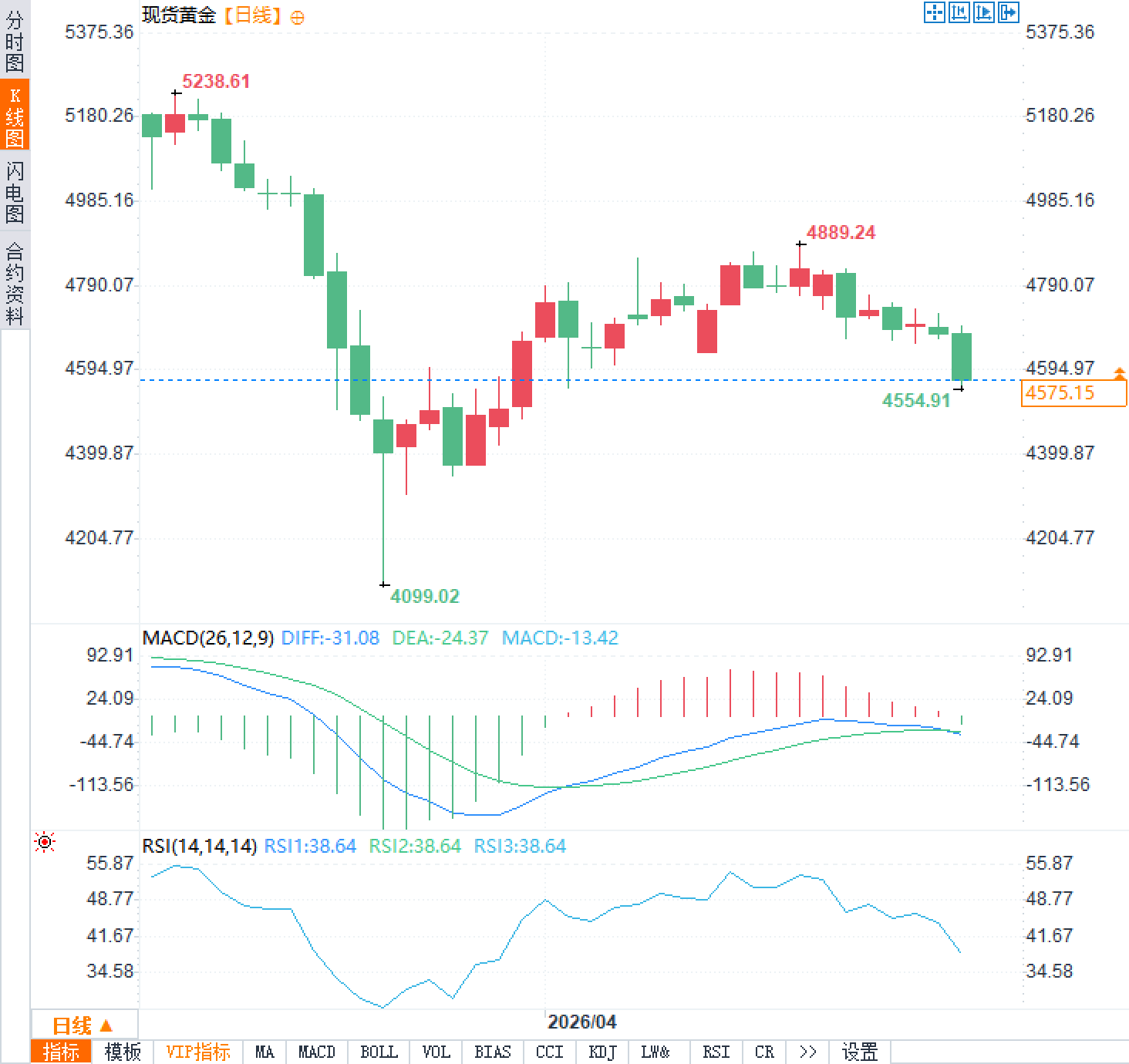
Despite declining real yields and easing financial conditions, the Federal Reserve's hawkish stance remains the core factor constraining the upward momentum of precious metals. The FOMC policy meeting tomorrow is expected to keep interest rates unchanged, but given the resilient economic data and ongoing Middle East conflict, a more hawkish signal cannot be ruled out. If the Fed emphasizes that inflation risks outweigh the risks of slowing growth, it will further dampen the attractiveness of non-interest-bearing assets.
Precious metals investors are closely monitoring subsequent economic data releases and statements from Federal Reserve officials. If the war officially ends and the Straits reopen, inflation concerns may ease in the short term, and interest rate expectations could recover, driving a rebound in precious metals. However, market focus will quickly shift to fundamental data. Even if the reopening of the Straits provides a short-term boost, the recovery in economic activity could keep inflation at a high level, forcing policy rates to remain stable.
The Bank of Japan recently kept interest rates unchanged, but three members of its board proposed raising borrowing costs, indicating that policymakers are concerned about inflationary pressures stemming from the Middle East conflict. The European Central Bank, the Bank of England, and the Bank of Canada will also announce their policy decisions this week. A stronger dollar and a rise in the yield on 10-year US Treasury bonds to a three-week high are further pressuring dollar-denominated precious metals.
These central bank actions collectively reflect global monetary policymakers' wariness of persistent inflation. The policy path in a high oil price environment may be more restrictive than expected, posing a structural downside to precious metals. Traders should pay attention to forward guidance in policy statements and how they balance growth with price stability.
Renewed tensions in the Middle East fuel energy inflation pressures
The conflict between the United States and Iran has lasted for two months, effectively closing the crucial Strait of Hormuz and disrupting the global oil supply chain. This has kept Brent crude prices high, increasing not only transportation and production costs but also cascading through the supply chain to the prices of a wider range of goods and services. This rise in energy prices is not a short-term shock but could prolong a period of inflation above target levels. Even if the conflict eases, the resumption of economic activity could further stimulate demand and exacerbate price pressures.
US President Trump's dissatisfaction with Iran's latest peace proposal has dampened market expectations for a swift resolution to the conflict. Analysts point out that the current decline in gold and silver prices reflects the inflationary risks brought about by rising oil prices, rather than a simple geopolitical safe-haven logic. Traditionally, precious metals have served as an inflation hedge, but their holding costs rise significantly when inflation is accompanied by high interest rates. The analysis emphasizes that the decline in gold and silver prices that day mirrored the rise in oil prices, reflecting the impact of the lack of progress in negotiations.
The Fed's policy bias became the main suppressive factor.
Despite declining real yields and easing financial conditions, the Federal Reserve's hawkish stance remains the core factor constraining the upward momentum of precious metals. The FOMC policy meeting tomorrow is expected to keep interest rates unchanged, but given the resilient economic data and ongoing Middle East conflict, a more hawkish signal cannot be ruled out. If the Fed emphasizes that inflation risks outweigh the risks of slowing growth, it will further dampen the attractiveness of non-interest-bearing assets.
Precious metals investors are closely monitoring subsequent economic data releases and statements from Federal Reserve officials. If the war officially ends and the Straits reopen, inflation concerns may ease in the short term, and interest rate expectations could recover, driving a rebound in precious metals. However, market focus will quickly shift to fundamental data. Even if the reopening of the Straits provides a short-term boost, the recovery in economic activity could keep inflation at a high level, forcing policy rates to remain stable.
| precious metal varieties | Current price (USD per ounce) | Intraday changes |
|---|---|---|
| gold | 4575 | -2.3% |
| silver | 73 | -3.2% |
| Platinum | 1928.21 | -2.7% |
| palladium | 1442.41 | -2.3% |
Major central banks around the world are making a flurry of decisions this week.
The Bank of Japan recently kept interest rates unchanged, but three members of its board proposed raising borrowing costs, indicating that policymakers are concerned about inflationary pressures stemming from the Middle East conflict. The European Central Bank, the Bank of England, and the Bank of Canada will also announce their policy decisions this week. A stronger dollar and a rise in the yield on 10-year US Treasury bonds to a three-week high are further pressuring dollar-denominated precious metals.
These central bank actions collectively reflect global monetary policymakers' wariness of persistent inflation. The policy path in a high oil price environment may be more restrictive than expected, posing a structural downside to precious metals. Traders should pay attention to forward guidance in policy statements and how they balance growth with price stability.
Frequently Asked Questions
Question 1: Why did rising oil prices suppress precious metal prices?
A: Although precious metals are generally considered an inflation hedge, inflationary expectations driven by high oil prices will prompt central banks to maintain or tighten monetary policy, raising interest rates. High interest rates increase the opportunity cost of holding non-interest-bearing precious metals, so the market is more concerned about the risk of tightening than the risk of slowing growth. The decline in gold and silver prices directly corresponds to the rise in oil prices due to the stalled US-Iran negotiations.
Question 2: How might the FOMC meeting outcome affect precious metals?
A: The meeting is expected to keep interest rates unchanged, but a more hawkish statement or dot plot would reinforce expectations of high interest rates, exacerbating selling pressure on precious metals in the short term. A neutral stance would limit volatility. If easing tensions signal a potential easing of monetary policy, the probability of a subsequent rebound increases.
Question 3: What does the reopening of the Strait of Hormuz mean for the market?
A: In the short term, this will alleviate concerns about energy supply, reduce inflationary pressures, boost expectations of further interest rate easing, and benefit precious metals. However, in the long term, the recovery in economic activity may maintain a certain level of inflation, and the market will return to data-driven growth.
- Risk Warning and Disclaimer
- The market involves risk, and trading may not be suitable for all investors. This article is for reference only and does not constitute personal investment advice, nor does it take into account certain users’ specific investment objectives, financial situation, or other needs. Any investment decisions made based on this information are at your own risk.