













A rare scene is about to unfold in the history of the Federal Reserve: the current and former chairmen will make decisions together, and the policy game is quietly escalating.
2026-05-01 09:49:05
When the Federal Open Market Committee (FOMC) meets again in mid-June, it will mark the first time in nearly 80 years that a current and former chairperson have jointly participated in decision-making. This unusual situation, occurring at a time when the Federal Reserve faces sensitive challenges, has drawn widespread market attention.
While the scene might be imagined as a fierce clash between policy giants, the meeting between inaugural Chairman Kevin Warsh and outgoing Jerome Powell is not expected to be confrontational. However, the meeting will still carry significant policy implications.
Former Cleveland Fed President Loretta Mester said that Warsh and Powell will be able to interact normally, and other FOMC members will also be involved, although she acknowledged that this could present some challenges. Mester added that they are all adults and understand the Fed's mission, and she is very confident that this core mission will drive decision-making, rather than other factors that are being worried about.
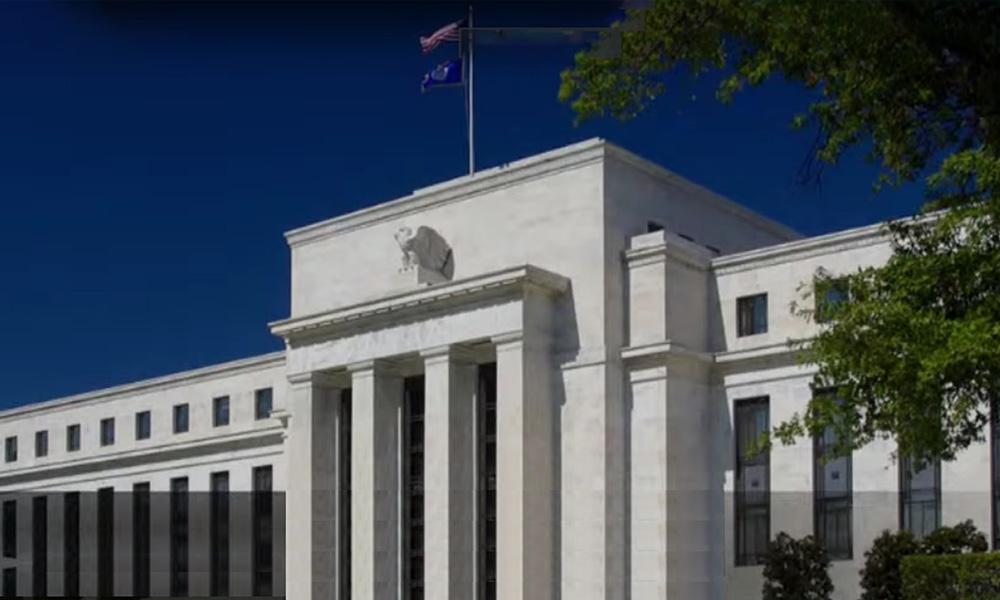
While observers like Mester expect the Fed's traditional deliberations to prevail, the potential for dramatic conflict remains evident. This unusual situation increases the likelihood of competing policy stances, even if expressed somewhat cryptically, as markets closely await the Fed's next move.
Warsh himself had previously publicly called for a "systemic change" at the Federal Reserve, which was seen as a direct criticism of Powell's leadership style. Furthermore, President Trump, who nominated both men, has been a vocal critic of Powell and has made it clear that he hopes Warsh will lower interest rates after taking office.
Powell's final major appearance as Federal Reserve Chairman also highlighted underlying divisions within the Fed. The post-meeting statement saw an unusual four dissenting votes, with the main dissenters arguing that a subtle wording in the statement could be interpreted as a signal of future policy easing.
Regional Fed presidents demonstrated a hardline stance. The three dissenting votes came from Minneapolis Fed President Neel Kashkari, Dallas Fed President Lorie Logan, and Beth Hammack, who succeeded Mester as Cleveland Fed president. These dissenting voices can be seen as an indirect warning to Warsh about his desire to push for interest rate cuts.
Mester points out that Walsh is unlikely to convince his colleagues to immediately enter a rate-cutting cycle as soon as he takes office; he needs to fully assess the current economic situation before he can propose adjusting interest rates.
Current economic conditions do indeed make it difficult to support the argument for a looser policy.
New data released on Thursday showed that the U.S. core inflation rate reached 3.2% in March, significantly higher than the Federal Reserve's long-term target of 2%. The Iran war and its impact on oil prices, combined with the consequences of tariffs, are keeping consumer prices at a persistently high level. Brent crude oil prices fluctuated sharply due to related geopolitical factors, further exacerbating inflationary pressures.
At the same time, weekly initial jobless claims fell to their lowest level since September 1969, further indicating that the labor market remains at least stable, with layoffs at a low level not seen since the beginning of former President Richard Nixon's term.
These data provide a realistic basis for potential policy disagreements within the FOMC. The last time a Federal Reserve chair remained in office as a governor after leaving office was in 1948, when Marriner Eccles chose to stay despite tensions with the Truman administration.
Joseph Brusuelas, chief economist at the Federal Reserve Bank of New York, said any further pressure on the Fed to cut interest rates due to the political cycle could trigger a stronger and harsher backlash, not only from Powell but also from other Fed members. He added that the current environment could easily lead to further clashes within the FOMC.
Bruzuelas points out that similar situations arise when central bank independence is under attack. He believes a toxic atmosphere or adversarial relationship between Powell and Warsh is unlikely within the Fed, but it wouldn't be surprising if Powell ultimately becomes a key swing vote in the case of premature rate cuts.
In announcing his intention to remain on the Federal Reserve Board of Governors after his term as Chairman ends in May, Powell downplayed the possibility of any personal competition. He emphasized that he would not intend to obstruct Warsh's agenda, nor would he become a "shadow chairman." Powell stated that he plans to fulfill his duties as a governor in a low-key manner, as the Federal Reserve will always have only one chairman. He added that he has no intention of becoming a high-profile dissident.
Powell added that this would be a very normal, standard transition process. He also mentioned that further arrangements would be made after the Inspector General's investigation into the Federal Reserve headquarters renovation project had reached its conclusions.
Former Federal Reserve Vice Chairman Roger Ferguson also expects Powell to keep his promises, even though the potential for policy disagreements remains. Ferguson stated that Powell has confidence in Warsh, believing Warsh will keep the Fed focused on its two core objectives: low inflation and full employment. However, Warsh needs to proceed cautiously, as he currently clearly lacks enough votes to push for immediate action, especially regarding near-term interest rate cuts.
Ferguson added that Powell has no intention of becoming another power center or a shadow chairman, and he has publicly expressed confidence in Warsh's abilities, a point he himself agrees with. The main purpose of this arrangement is to maintain the independence of the Federal Reserve and thoroughly clarify related controversies.
Overall, the FOMC meeting in mid-June will be a crucial window for observing the continuity of the Federal Reserve's policies and potential adjustments. Given that economic data still indicates persistent inflationary pressures and a relatively stable labor market, any policy shift requires careful consideration. The historically rare overlap of chairs tests the resilience of the Fed's system and adds new uncertainties to global markets.
While the scene might be imagined as a fierce clash between policy giants, the meeting between inaugural Chairman Kevin Warsh and outgoing Jerome Powell is not expected to be confrontational. However, the meeting will still carry significant policy implications.
Former Cleveland Fed President Loretta Mester said that Warsh and Powell will be able to interact normally, and other FOMC members will also be involved, although she acknowledged that this could present some challenges. Mester added that they are all adults and understand the Fed's mission, and she is very confident that this core mission will drive decision-making, rather than other factors that are being worried about.
Potential disagreements are hard to avoid
While observers like Mester expect the Fed's traditional deliberations to prevail, the potential for dramatic conflict remains evident. This unusual situation increases the likelihood of competing policy stances, even if expressed somewhat cryptically, as markets closely await the Fed's next move.
Warsh himself had previously publicly called for a "systemic change" at the Federal Reserve, which was seen as a direct criticism of Powell's leadership style. Furthermore, President Trump, who nominated both men, has been a vocal critic of Powell and has made it clear that he hopes Warsh will lower interest rates after taking office.
Powell's final major appearance as Federal Reserve Chairman also highlighted underlying divisions within the Fed. The post-meeting statement saw an unusual four dissenting votes, with the main dissenters arguing that a subtle wording in the statement could be interpreted as a signal of future policy easing.
Regional Fed presidents demonstrated a hardline stance. The three dissenting votes came from Minneapolis Fed President Neel Kashkari, Dallas Fed President Lorie Logan, and Beth Hammack, who succeeded Mester as Cleveland Fed president. These dissenting voices can be seen as an indirect warning to Warsh about his desire to push for interest rate cuts.
Mester points out that Walsh is unlikely to convince his colleagues to immediately enter a rate-cutting cycle as soon as he takes office; he needs to fully assess the current economic situation before he can propose adjusting interest rates.
Economic data does not support loose monetary policy.
Current economic conditions do indeed make it difficult to support the argument for a looser policy.
New data released on Thursday showed that the U.S. core inflation rate reached 3.2% in March, significantly higher than the Federal Reserve's long-term target of 2%. The Iran war and its impact on oil prices, combined with the consequences of tariffs, are keeping consumer prices at a persistently high level. Brent crude oil prices fluctuated sharply due to related geopolitical factors, further exacerbating inflationary pressures.
At the same time, weekly initial jobless claims fell to their lowest level since September 1969, further indicating that the labor market remains at least stable, with layoffs at a low level not seen since the beginning of former President Richard Nixon's term.
These data provide a realistic basis for potential policy disagreements within the FOMC. The last time a Federal Reserve chair remained in office as a governor after leaving office was in 1948, when Marriner Eccles chose to stay despite tensions with the Truman administration.
Political and economic pressures intertwined
Joseph Brusuelas, chief economist at the Federal Reserve Bank of New York, said any further pressure on the Fed to cut interest rates due to the political cycle could trigger a stronger and harsher backlash, not only from Powell but also from other Fed members. He added that the current environment could easily lead to further clashes within the FOMC.
Bruzuelas points out that similar situations arise when central bank independence is under attack. He believes a toxic atmosphere or adversarial relationship between Powell and Warsh is unlikely within the Fed, but it wouldn't be surprising if Powell ultimately becomes a key swing vote in the case of premature rate cuts.
In announcing his intention to remain on the Federal Reserve Board of Governors after his term as Chairman ends in May, Powell downplayed the possibility of any personal competition. He emphasized that he would not intend to obstruct Warsh's agenda, nor would he become a "shadow chairman." Powell stated that he plans to fulfill his duties as a governor in a low-key manner, as the Federal Reserve will always have only one chairman. He added that he has no intention of becoming a high-profile dissident.
Powell added that this would be a very normal, standard transition process. He also mentioned that further arrangements would be made after the Inspector General's investigation into the Federal Reserve headquarters renovation project had reached its conclusions.
Former Federal Reserve Vice Chairman Roger Ferguson also expects Powell to keep his promises, even though the potential for policy disagreements remains. Ferguson stated that Powell has confidence in Warsh, believing Warsh will keep the Fed focused on its two core objectives: low inflation and full employment. However, Warsh needs to proceed cautiously, as he currently clearly lacks enough votes to push for immediate action, especially regarding near-term interest rate cuts.
Ferguson added that Powell has no intention of becoming another power center or a shadow chairman, and he has publicly expressed confidence in Warsh's abilities, a point he himself agrees with. The main purpose of this arrangement is to maintain the independence of the Federal Reserve and thoroughly clarify related controversies.
Overall, the FOMC meeting in mid-June will be a crucial window for observing the continuity of the Federal Reserve's policies and potential adjustments. Given that economic data still indicates persistent inflationary pressures and a relatively stable labor market, any policy shift requires careful consideration. The historically rare overlap of chairs tests the resilience of the Fed's system and adds new uncertainties to global markets.
- Risk Warning and Disclaimer
- The market involves risk, and trading may not be suitable for all investors. This article is for reference only and does not constitute personal investment advice, nor does it take into account certain users’ specific investment objectives, financial situation, or other needs. Any investment decisions made based on this information are at your own risk.

