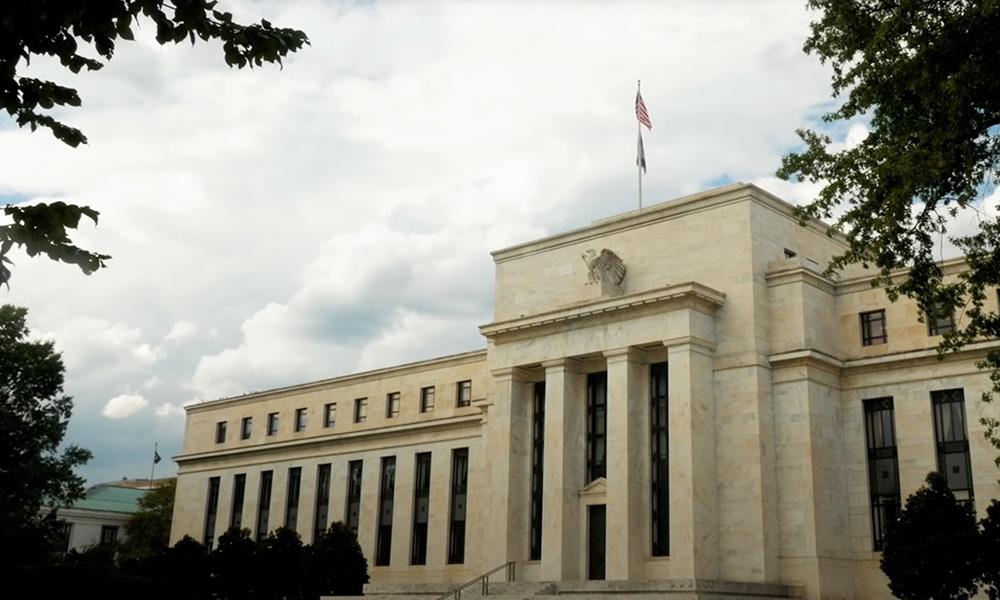
Warsh takes over the search for leverage for the Federal Reserve to cut interest rates.
2026-05-06 21:55:24
Trump wants the Federal Reserve to cut interest rates as soon as possible to lower the cost of financing US Treasury bonds and abandon the strategy of using high interest rates to combat inflation.
However, Warsh currently has very little room for direct easing and rate cuts. At Powell's last FOMC meeting, only one of the 12 members supported a rate cut, and that member was Trump's ally, Milan.
Upon taking office, Warsh will face an internally divided situation, making it difficult to break through from the level of benchmark interest rates. He can only turn to restructuring the Fed's operating mechanism and inflation statistics.
During his Senate hearing, Warsh rejected the Fed’s current core PCE inflation indicator and instead advocated for cut-off mean inflation, arguing that PCE is generally rising while mean inflation is declining.
This indicator excludes extreme price fluctuations, aiming to filter out one-off shocks such as geopolitical conflicts and tariffs, and focus on core inflation trends.
Data shows that this approach can significantly suppress inflation readings. In March, the overall PCE in the United States was 3.5%, the core PCE was 3.2%, and the cut-off mean inflation was only 2.4%, which is close to the Fed's 2% target.
Its compilation logic is to eliminate categories with abnormal fluctuations at both the high and low ends, thus smoothing out the performance of inflation data.
Changing the statistical method for inflation may seem to create optimistic economic expectations and pave the way for interest rate cuts, but in reality, it raises suspicions of data manipulation and fails to reflect the true state of prices.
The current rise in US inflation is mainly due to the US-Iran conflict pushing up energy prices, and the disruption of shipping in the Strait of Hormuz further exacerbating inflationary pressures. Energy costs are being passed on to the entire industrial chain.
This round of inflation may be temporary, and prices are expected to fall rapidly if geopolitical tensions ease.
Distinguishing between temporary and persistent inflation is a challenge for central banks worldwide, but simply removing outliers is not the optimal solution.
The PCE indicator rules are transparent and have strong market credibility. Artificially modifying the statistical standards will only make the policy reference system unclear.
Adjusting the inflation caliber is essentially a disguised adjustment of policy objectives and a way to guide market expectations, but it cannot change the economic fundamentals.
Even if some categories are excluded from the statistics, price increases still exist. If official inflation data deviates significantly from the public's actual experience, then statistical optimization will be meaningless.
Analysts at Commerzbank point out that Warsh's policy stance is clear: he criticizes the old monetary framework, focuses on cut-off mean inflation, is optimistic about the deflationary effect of AI boosting productivity, advocates for balance sheet reduction and weakening forward guidance, and the Federal Reserve is likely to enter a rate-cutting cycle, with its policy independence weakening accordingly.
Warsh is more optimistic about the inflation outlook than most FOMC members, believing that AI combined with Trump's deregulation and tax reform policies can effectively suppress inflation. However, he is struggling to reach a consensus within the committee, and coupled with continued political pressure from Trump, the implementation of interest rate cuts faces significant obstacles.
Historical experience shows that if the FOMC cannot achieve a unified majority, monetary policy is susceptible to political interference. The Federal Reserve has long struggled to withstand presidential pressure, and its institutional independence only provides a short-term buffer. Deutsche Bank predicts that the Federal Reserve will begin cutting interest rates by the end of the year, totaling three cuts throughout the year.
The US federal debt has exceeded 100% of GDP, and the proportion of debt interest payments in the fiscal budget continues to rise. Under such a high-debt environment, subsequent US presidents will continue to put pressure on the Federal Reserve to maintain low interest rates.
The Fed’s policy independence will enter a long-term, gradual weakening phase. Overall, Warsh is unlikely to reverse the major economic trend, but he can change the Fed’s policy-making paradigm by reshaping the rules for inflation statistics and the internal operating logic. While still following data, he can provide data support and leverage for interest rate cuts.
However, Warsh currently has very little room for direct easing and rate cuts. At Powell's last FOMC meeting, only one of the 12 members supported a rate cut, and that member was Trump's ally, Milan.
Upon taking office, Warsh will face an internally divided situation, making it difficult to break through from the level of benchmark interest rates. He can only turn to restructuring the Fed's operating mechanism and inflation statistics.
Policy Shift: Warsh Pushes for Cut-Off Mean Inflation Indicators
During his Senate hearing, Warsh rejected the Fed’s current core PCE inflation indicator and instead advocated for cut-off mean inflation, arguing that PCE is generally rising while mean inflation is declining.
This indicator excludes extreme price fluctuations, aiming to filter out one-off shocks such as geopolitical conflicts and tariffs, and focus on core inflation trends.
Data shows that this approach can significantly suppress inflation readings. In March, the overall PCE in the United States was 3.5%, the core PCE was 3.2%, and the cut-off mean inflation was only 2.4%, which is close to the Fed's 2% target.
Its compilation logic is to eliminate categories with abnormal fluctuations at both the high and low ends, thus smoothing out the performance of inflation data.
Concerns about data manipulation: Adjusting inflation metrics may fail to reflect the true state of people's lives.
Changing the statistical method for inflation may seem to create optimistic economic expectations and pave the way for interest rate cuts, but in reality, it raises suspicions of data manipulation and fails to reflect the true state of prices.
The current rise in US inflation is mainly due to the US-Iran conflict pushing up energy prices, and the disruption of shipping in the Strait of Hormuz further exacerbating inflationary pressures. Energy costs are being passed on to the entire industrial chain.
This round of inflation may be temporary, and prices are expected to fall rapidly if geopolitical tensions ease.
Distinguishing between temporary and persistent inflation is a challenge for central banks worldwide, but simply removing outliers is not the optimal solution.
The PCE indicator rules are transparent and have strong market credibility. Artificially modifying the statistical standards will only make the policy reference system unclear.
Adjusting the inflation caliber is essentially a disguised adjustment of policy objectives and a way to guide market expectations, but it cannot change the economic fundamentals.
Even if some categories are excluded from the statistics, price increases still exist. If official inflation data deviates significantly from the public's actual experience, then statistical optimization will be meaningless.
Institutional Outlook: Deutsche Bank interprets Warsh's policy inclinations and the outlook for the US dollar.
Analysts at Commerzbank point out that Warsh's policy stance is clear: he criticizes the old monetary framework, focuses on cut-off mean inflation, is optimistic about the deflationary effect of AI boosting productivity, advocates for balance sheet reduction and weakening forward guidance, and the Federal Reserve is likely to enter a rate-cutting cycle, with its policy independence weakening accordingly.
Warsh is more optimistic about the inflation outlook than most FOMC members, believing that AI combined with Trump's deregulation and tax reform policies can effectively suppress inflation. However, he is struggling to reach a consensus within the committee, and coupled with continued political pressure from Trump, the implementation of interest rate cuts faces significant obstacles.
Historical experience shows that if the FOMC cannot achieve a unified majority, monetary policy is susceptible to political interference. The Federal Reserve has long struggled to withstand presidential pressure, and its institutional independence only provides a short-term buffer. Deutsche Bank predicts that the Federal Reserve will begin cutting interest rates by the end of the year, totaling three cuts throughout the year.
Long-term outlook: The Federal Reserve's independence continues to weaken under the pressure of high debt.
The US federal debt has exceeded 100% of GDP, and the proportion of debt interest payments in the fiscal budget continues to rise. Under such a high-debt environment, subsequent US presidents will continue to put pressure on the Federal Reserve to maintain low interest rates.
The Fed’s policy independence will enter a long-term, gradual weakening phase. Overall, Warsh is unlikely to reverse the major economic trend, but he can change the Fed’s policy-making paradigm by reshaping the rules for inflation statistics and the internal operating logic. While still following data, he can provide data support and leverage for interest rate cuts.
- Risk Warning and Disclaimer
- The market involves risk, and trading may not be suitable for all investors. This article is for reference only and does not constitute personal investment advice, nor does it take into account certain users’ specific investment objectives, financial situation, or other needs. Any investment decisions made based on this information are at your own risk.