













Financial tycoon discusses the expectation gap in the Walsh era
2026-05-11 18:09:02
At the Milken Institute Global Summit, two key Wall Street figures discussed their views on Kevin Warsh's potential appointment as Federal Reserve Chairman.
David Rubinstein, co-founder of The Carlyle Group, said that after Warsh takes office, the Federal Reserve will reduce its communication with the market, and whether he can maintain the Fed's policy independence is the market's biggest concern—for example, when the White House pressures for interest rate cuts, it is still uncertain whether he will compromise or stick to his professional judgment.
Former Goldman Sachs executive Gary Cohn, who worked with Walsh during the 2008 financial crisis, felt that Walsh was honest, had a stable stance, and that there would be no major policy surprises.
Cohn predicts that Warsh will guide the Federal Reserve back to its core responsibilities, abandoning non-core functions such as climate change and diversity, equity, and inclusion (DEI), and will also accelerate the reduction of the Fed's balance sheet while minimizing market turmoil. Furthermore, the Fed will reduce its frequency of policy signals and communication.
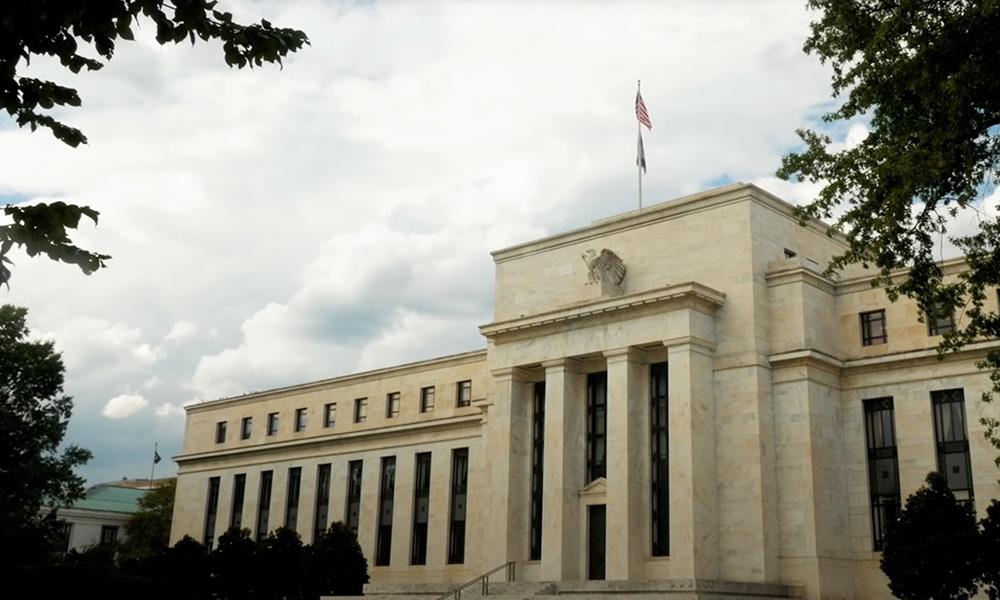
The continued rise in US stocks is due to several factors, including easing geopolitical tensions, strong corporate earnings, and investors betting that Walsh will follow the best possible script.
The market believes that Warsh, having previously served as a Federal Reserve governor, is professionally well-suited to the new role and can quickly push for interest rate cuts. However, as a new member of the Federal Reserve, he will need some time to adjust.
This means that his policies will be unlikely to fully meet market expectations over the next six months—disagreements within the Federal Reserve and the need for coordination could become one of the risk factors for changes in market risk appetite.
New leaders need to adapt, and Warsh is no exception. The White House has been trying to lower interest rates, which will put pressure on Warsh.
The biggest question is: if Warsh feels it's not time to cut interest rates yet, will he follow orders and act as a "rubber stamp" in the face of pressure from the White House, or will he stick to his own judgment and become a "lone hero"?
This clash of power can excite the market, but it also carries significant risks.
If the Federal Reserve loses its independence, people's confidence in dollar assets will be undermined. Therefore, any minor development that raises doubts about the Fed's independence could cause chaos in the stock, bond, and foreign exchange markets.
Walsh's plan to reduce policy communication could lead to market volatility.
Previously, the Federal Reserve spoke more, making it easier for investors to predict its policies; now, with less communication, it's harder for people to guess the Fed's moves.
Especially during periods of balance sheet reduction, unclear policy signals can cause banks to panic, worrying about insufficient funds, just like in 2019.
For traders, they will need to rethink how to judge the market, as increased volatility may become the norm.
The 2026 US midterm elections will directly influence the Federal Reserve's decision-making logic.
The election began in March and entered a crucial phase in May. The results of the New York primary had already sent a negative signal to the Republican Party, reflecting a cooling of support among grassroots voters.
If the Republicans lose the election and the Democrats gain control of the Senate (especially the Banking Committee) or the House Financial Services Committee, the oversight from both houses will be significantly strengthened. The House can exert pressure through hearings and inquiries, while the Senate can constrain policy approvals and budget authorizations, ultimately influencing the Federal Reserve's decision-making logic.
This outcome could actually provide stronger institutional guarantees for the independence of the Federal Reserve and reduce the White House's influence over the Fed.
However, it is important to be wary that if the two parties fall into a political deadlock after the election (such as a stalemate in fiscal budget and debt ceiling negotiations), it will lead to a fragmentation of the macroeconomic policy environment. This will overlap with the policy adjustments promoted by Walsh, such as balance sheet reduction and communication model reform, exacerbating market concerns about policy coordination and ultimately amplifying financial market volatility.
David Rubinstein, co-founder of The Carlyle Group, said that after Warsh takes office, the Federal Reserve will reduce its communication with the market, and whether he can maintain the Fed's policy independence is the market's biggest concern—for example, when the White House pressures for interest rate cuts, it is still uncertain whether he will compromise or stick to his professional judgment.
Former Goldman Sachs executive Gary Cohn, who worked with Walsh during the 2008 financial crisis, felt that Walsh was honest, had a stable stance, and that there would be no major policy surprises.
Cohn predicts that Warsh will guide the Federal Reserve back to its core responsibilities, abandoning non-core functions such as climate change and diversity, equity, and inclusion (DEI), and will also accelerate the reduction of the Fed's balance sheet while minimizing market turmoil. Furthermore, the Fed will reduce its frequency of policy signals and communication.
Market risk under optimal expectations
The continued rise in US stocks is due to several factors, including easing geopolitical tensions, strong corporate earnings, and investors betting that Walsh will follow the best possible script.
The market believes that Warsh, having previously served as a Federal Reserve governor, is professionally well-suited to the new role and can quickly push for interest rate cuts. However, as a new member of the Federal Reserve, he will need some time to adjust.
This means that his policies will be unlikely to fully meet market expectations over the next six months—disagreements within the Federal Reserve and the need for coordination could become one of the risk factors for changes in market risk appetite.
Test of policy and independence
New leaders need to adapt, and Warsh is no exception. The White House has been trying to lower interest rates, which will put pressure on Warsh.
The biggest question is: if Warsh feels it's not time to cut interest rates yet, will he follow orders and act as a "rubber stamp" in the face of pressure from the White House, or will he stick to his own judgment and become a "lone hero"?
This clash of power can excite the market, but it also carries significant risks.
If the Federal Reserve loses its independence, people's confidence in dollar assets will be undermined. Therefore, any minor development that raises doubts about the Fed's independence could cause chaos in the stock, bond, and foreign exchange markets.
Reduced communication: could trigger market volatility
Walsh's plan to reduce policy communication could lead to market volatility.
Previously, the Federal Reserve spoke more, making it easier for investors to predict its policies; now, with less communication, it's harder for people to guess the Fed's moves.
Especially during periods of balance sheet reduction, unclear policy signals can cause banks to panic, worrying about insufficient funds, just like in 2019.
For traders, they will need to rethink how to judge the market, as increased volatility may become the norm.
Midterm elections: Influencing Federal Reserve decisions
The 2026 US midterm elections will directly influence the Federal Reserve's decision-making logic.
The election began in March and entered a crucial phase in May. The results of the New York primary had already sent a negative signal to the Republican Party, reflecting a cooling of support among grassroots voters.
If the Republicans lose the election and the Democrats gain control of the Senate (especially the Banking Committee) or the House Financial Services Committee, the oversight from both houses will be significantly strengthened. The House can exert pressure through hearings and inquiries, while the Senate can constrain policy approvals and budget authorizations, ultimately influencing the Federal Reserve's decision-making logic.
This outcome could actually provide stronger institutional guarantees for the independence of the Federal Reserve and reduce the White House's influence over the Fed.
However, it is important to be wary that if the two parties fall into a political deadlock after the election (such as a stalemate in fiscal budget and debt ceiling negotiations), it will lead to a fragmentation of the macroeconomic policy environment. This will overlap with the policy adjustments promoted by Walsh, such as balance sheet reduction and communication model reform, exacerbating market concerns about policy coordination and ultimately amplifying financial market volatility.
- Risk Warning and Disclaimer
- The market involves risk, and trading may not be suitable for all investors. This article is for reference only and does not constitute personal investment advice, nor does it take into account certain users’ specific investment objectives, financial situation, or other needs. Any investment decisions made based on this information are at your own risk.

