Starmer's future is the biggest variable: How should pound traders hedge their risks when political uncertainty outweighs central bank guidance?
2026-05-12 16:59:41
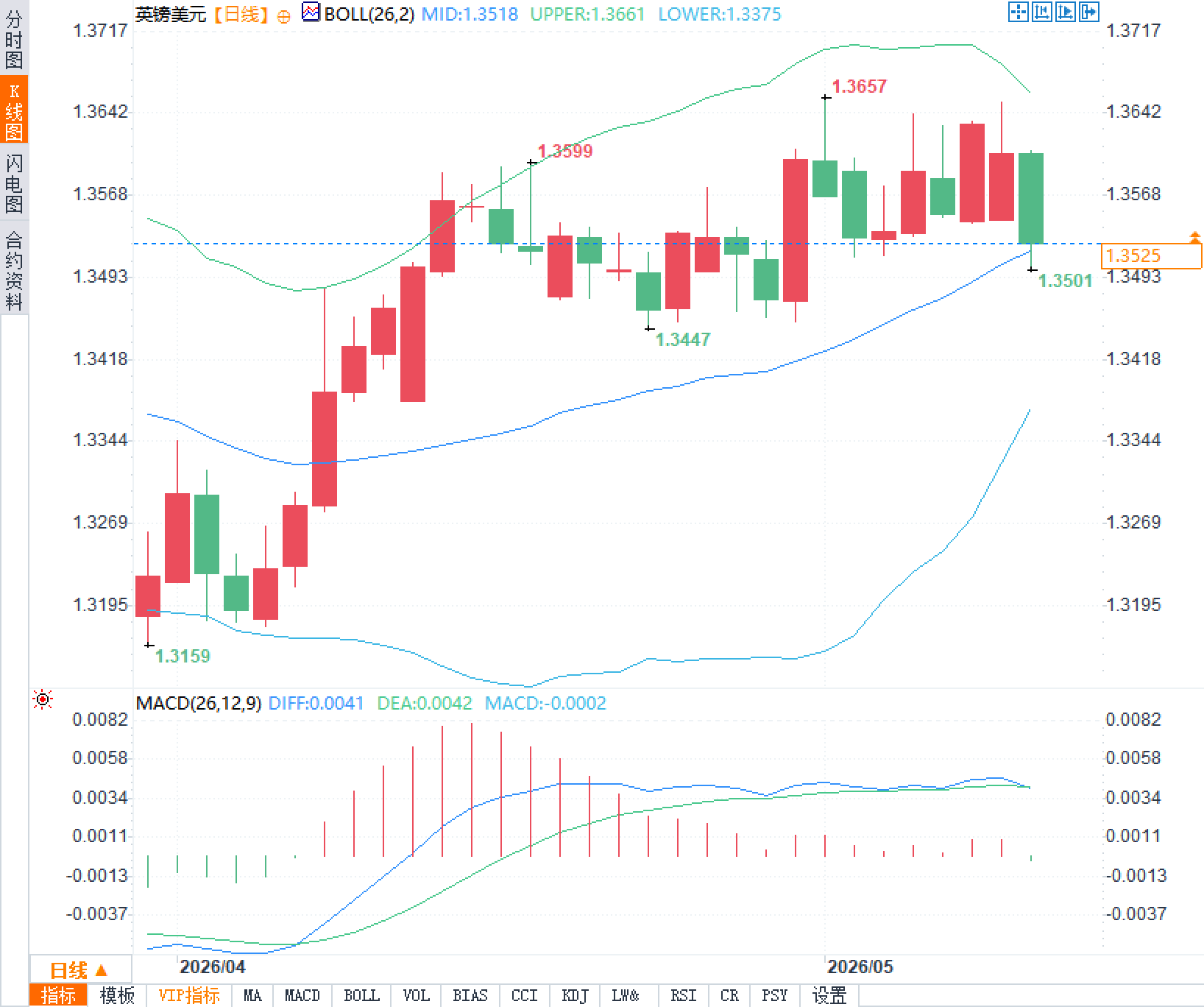
On Tuesday, May 12th, political uncertainty in the UK directly impacted financial markets. Following his defeat in the local elections, Prime Minister Keir Starmer's future in office became precarious, with over 70 Labour MPs publicly demanding a timetable for his departure, creating a tense atmosphere at cabinet meetings. The yield on 30-year UK government bonds rose to around 5.78%, nearing its highest level this century; the pound fell against the dollar to around 1.353, a drop of about 0.6%. Traders are closely pricing in the potential risks of fiscal framework adjustments and monetary policy uncertainty arising from this political crisis.
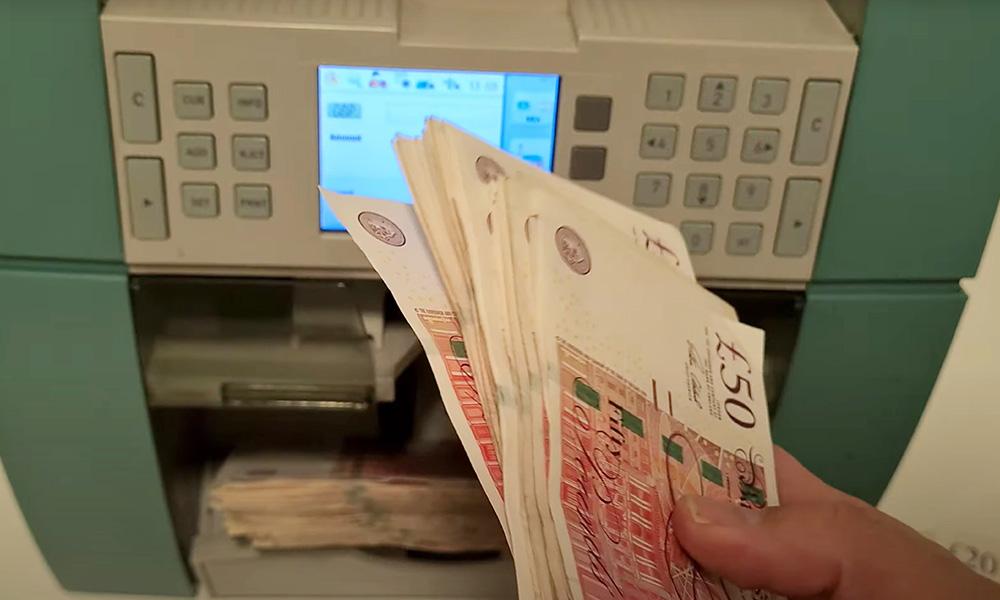
Long-term UK government bonds saw a second consecutive day of selling, with the 30-year yield rising approximately 0.09 percentage points to 5.78%. This move is directly related to last week's local election results, with investors concerned that leadership changes could lead to a loosening of fiscal discipline. An asset management company's head of interest rates stated that even if Starmer remains in office and announces his departure timetable, it will be difficult to provide stable expectations for international investors, and the bond market will face further pressure.
The current yield curve is steepening significantly at the long end, with traders observing a marked increase in term premiums, reflecting a market reassessment of the sustainability of public finances over the next decade. The short end is relatively moderately influenced by the Bank of England's policy path, but the long end is entirely dominated by political factors.
The Labour Party's soft left-wing "Forum Group" released a document on Tuesday calling for extending the debt target from the current 3- and 5-year rolling window to 10 years, stripping the Treasury of some of its role in managing economic growth, and proposing to replace stamp duty with national property and land taxes. This proposal was interpreted by the market as a signal of potential fiscal expansion. Fund managers pointed out that a 10-year fiscal perspective essentially provides more room for maneuver over the next 7 to 8 years, which could undermine market confidence in debt control.
If such proposals become the policy tone of the successor, they will directly drive up borrowing costs in the UK. With current yields already near historical highs, any sign of fiscal easing could trigger a chain reaction, further increasing risk premiums.
Prime Minister Keith Starmer will chair a key cabinet meeting at Downing Street. Chief Secretary Darren Jones publicly stated that the Prime Minister is listening to his colleagues but cannot predict the final decision. Foreign Secretary Yvette Cooper and Home Secretary Shabana Mahmoud have both urged the development of an orderly transition plan. Health Secretary Wes Streitting, while stating he will not initiate a challenge, is considered a potential successor. Chancellor of the Exchequer Rachel Reeves has maintained a low profile.
Ministers acknowledged that the atmosphere within the party was “quite bad,” with over 70 backbenchers having switched sides. Traders are assessing the differences in fiscal rules and economic growth expectations under different succession scenarios: a more left-leaning successor might increase capital gains taxes and push for planning system reforms, changes that, while packaged by some factions as supply-side measures, are being closely watched by the market for their impact on debt dynamics.
The pound fell 0.6% to 1.353 against the dollar, reflecting investor concerns about political stability in the UK. As a representative of UK risk assets, the exchange rate's volatility stems not only from its correlation with the bond market but also from pricing in future policy continuity. Traders noted that the pound tends to experience amplified volatility during periods of heightened political uncertainty, with rising long-term yields further pressuring the exchange rate.
While the Bank of England may maintain its current interest rate path to anchor inflation, the political vacuum will increase policy uncertainty, thereby affecting the relative attractiveness of the pound.
Rising Treasury yields: Political risk premium being priced in rapidly
Long-term UK government bonds saw a second consecutive day of selling, with the 30-year yield rising approximately 0.09 percentage points to 5.78%. This move is directly related to last week's local election results, with investors concerned that leadership changes could lead to a loosening of fiscal discipline. An asset management company's head of interest rates stated that even if Starmer remains in office and announces his departure timetable, it will be difficult to provide stable expectations for international investors, and the bond market will face further pressure.
The current yield curve is steepening significantly at the long end, with traders observing a marked increase in term premiums, reflecting a market reassessment of the sustainability of public finances over the next decade. The short end is relatively moderately influenced by the Bank of England's policy path, but the long end is entirely dominated by political factors.
Labour's soft left-wing proposals exacerbate bond market unease.
The Labour Party's soft left-wing "Forum Group" released a document on Tuesday calling for extending the debt target from the current 3- and 5-year rolling window to 10 years, stripping the Treasury of some of its role in managing economic growth, and proposing to replace stamp duty with national property and land taxes. This proposal was interpreted by the market as a signal of potential fiscal expansion. Fund managers pointed out that a 10-year fiscal perspective essentially provides more room for maneuver over the next 7 to 8 years, which could undermine market confidence in debt control.
If such proposals become the policy tone of the successor, they will directly drive up borrowing costs in the UK. With current yields already near historical highs, any sign of fiscal easing could trigger a chain reaction, further increasing risk premiums.
The impact of cabinet divisions and potential successors on the market
Prime Minister Keith Starmer will chair a key cabinet meeting at Downing Street. Chief Secretary Darren Jones publicly stated that the Prime Minister is listening to his colleagues but cannot predict the final decision. Foreign Secretary Yvette Cooper and Home Secretary Shabana Mahmoud have both urged the development of an orderly transition plan. Health Secretary Wes Streitting, while stating he will not initiate a challenge, is considered a potential successor. Chancellor of the Exchequer Rachel Reeves has maintained a low profile.
Ministers acknowledged that the atmosphere within the party was “quite bad,” with over 70 backbenchers having switched sides. Traders are assessing the differences in fiscal rules and economic growth expectations under different succession scenarios: a more left-leaning successor might increase capital gains taxes and push for planning system reforms, changes that, while packaged by some factions as supply-side measures, are being closely watched by the market for their impact on debt dynamics.
The logic behind the fluctuations in the British pound exchange rate and short-term pressures
The pound fell 0.6% to 1.353 against the dollar, reflecting investor concerns about political stability in the UK. As a representative of UK risk assets, the exchange rate's volatility stems not only from its correlation with the bond market but also from pricing in future policy continuity. Traders noted that the pound tends to experience amplified volatility during periods of heightened political uncertainty, with rising long-term yields further pressuring the exchange rate.
While the Bank of England may maintain its current interest rate path to anchor inflation, the political vacuum will increase policy uncertainty, thereby affecting the relative attractiveness of the pound.
Frequently Asked Questions
Question 1: Why did Starmer's internal party pressure directly lead to a simultaneous decline in British bonds and the pound?
A: The political crisis has amplified the uncertainty surrounding fiscal policy, with markets worried that the successor might adjust debt targets and the tax framework, leading to higher borrowing costs. Rising yields reflect the rapid pricing of risk premiums, while the pound sterling, as a proxy indicator of the UK economy, is under pressure in tandem. Traders are using this correlation to observe the risk of policy continuity.
Question 2: What are the core differences between the 10-year debt target proposed by the soft left and the current fiscal rules?
A: The current 3- to 5-year rolling target emphasizes short-term sustainability, while the 10-year perspective allows for financing longer-term projects, but could be seen as an excuse to relax discipline. Investors are concerned that this will undermine market confidence in the UK debt path, thereby pushing up long-term yields and exchange rate volatility.
Question 3: What impact will the current cabinet split have on the Bank of England's policy expectations and overall market pricing?
A: Leadership changes may delay or alter the coordination of fiscal and monetary policies. Traders need to pay attention to any transitional signals that could lead to revisions in interest rate paths and growth expectations. In the short term, volatility in the bond and currency markets is likely to remain high until the political situation becomes clearer.
- Risk Warning and Disclaimer
- The market involves risk, and trading may not be suitable for all investors. This article is for reference only and does not constitute personal investment advice, nor does it take into account certain users’ specific investment objectives, financial situation, or other needs. Any investment decisions made based on this information are at your own risk.