The CPI has created both bullish and bearish pressures on silver, with $82-$83 becoming a critical support/resistance level.
2026-05-12 23:07:59
On Tuesday (May 12), silver prices surged recently, reigniting traders' investment enthusiasm. Silver experienced a major rally last year, but the bubble burst at the end of January, with prices plummeting by nearly 50% by March. Since then, silver has staged a strong rebound, accelerating its gains over the past week with a cumulative increase of 15%, bringing its year-to-date return to approximately 20%, and exceeding the price of the same period last year by over 150%.
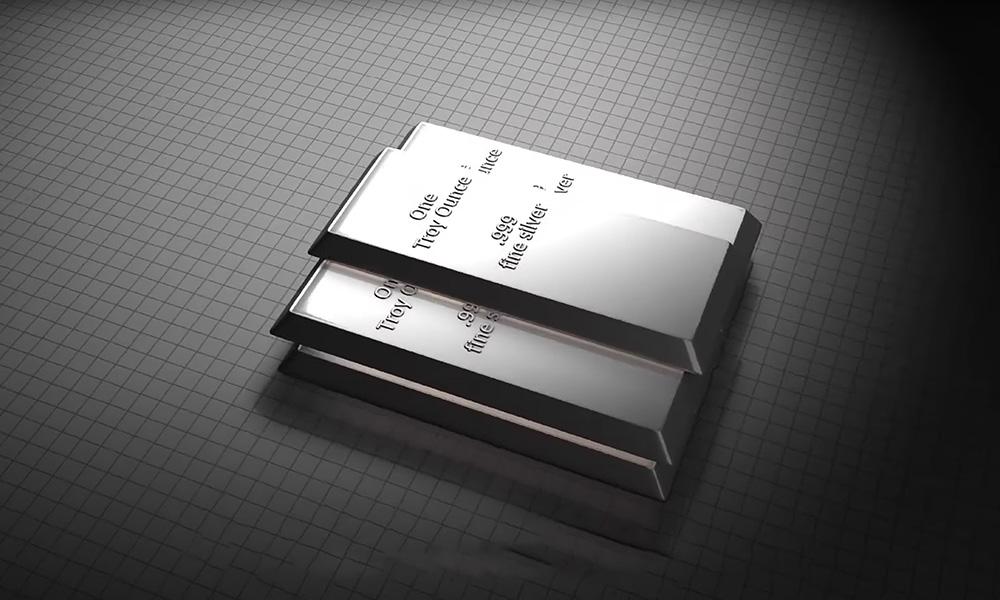
Spot silver surged to a two-month high earlier today, touching around $88; after a 7% jump on Monday, silver retreated slightly after its initial rise, as rising oil prices pushed up US Treasury yields and the dollar index. Even so, this rally has completely reversed the short-term technical outlook for silver. After breaking through the $82-$83 resistance zone, hedge funds and other trend-following investors resumed buying, funds that had been largely on the sidelines in recent weeks.
This round of price increases also highlights silver's relatively high volatility compared to gold, as it strengthens due to its dual advantages of being a safe-haven investment and a necessity in industrial applications. In contrast, gold has remained range-bound, failing to follow silver's surge. This is partly due to market concerns that high energy prices may delay the Federal Reserve's interest rate cuts; and partly due to Indian Prime Minister Narendra Modi's recent call for the public to refrain from buying gold for at least a year to alleviate pressure on India's foreign exchange reserves and stabilize the rupee exchange rate.
Affected by the aforementioned factors, the gold-silver ratio has fallen sharply to around 55, a new low since early March, fully reflecting silver's current strong outperformance of gold. This ratio has deviated significantly from its average level of approximately 70 over the past thirty years. Gold is currently maintaining a range-bound movement, with support forming around $4,500. The first resistance level is the 50-day moving average near $4,757, followed by the $4,850 mark.
Strong support from industrial demand
Besides technical breakouts, the collective strength of the industrial metals sector also provided solid support for silver. Driven by robust Chinese demand, a significant drop in visible inventories, and heightened market concerns about future supply shortages, copper futures in both New York and London hit record closing highs on Monday.
Silver, as a key transition metal in electrification, renewable energy, electronics, artificial intelligence infrastructure, and automobile manufacturing, shares the same structurally favorable industry logic as copper. In recent weeks, traders have gradually downplayed the potential economic downside risks from conflicts in the Middle East, instead focusing on the long-standing problem of global supply shortages for strategic metals.
Shipping and trade through the Strait of Hormuz continue to be hampered, adding further uncertainty to an already tight supply situation. Although silver supply does not directly depend on exports from the Gulf region, the conflict in the Middle East has driven up energy, logistics, and smelting costs across the entire commodity supply chain, further exacerbating global inflation expectations and anxieties about resource scarcity.
From a fundamental perspective, the market expects silver to experience another annual supply gap this year, with both physical and investment demand remaining strong, especially in the Chinese market. Despite overall economic uncertainties, domestic demand for precious and industrial metals remains high. It's worth noting that silver mining supply lags behind price increases; most global silver is a byproduct of lead, zinc, copper, and gold mining, making it difficult to rapidly increase production in line with rising prices.
The market outlook will focus on key support levels and the impact of CPI.
However, this rapid surge also harbors short-term risks. After a significant rebound, the market urgently needs to confirm whether this breakout can be effectively sustained, given the strong speculative nature of this rally. If the price can continue to hold above the previous breakout range of $82-$83, it may attract more algorithmic and trend-following funds to chase the rally; conversely, if it falls below this range, recently established long positions may be liquidated, triggering a price correction.
Key inflation data (CPI) has become the biggest short-term variable: At 8:30 PM Beijing time on May 12, the US released its April CPI data, which surged to 3.8% year-on-year (expected 3.7%, previous value 3.3%), and core CPI rose to 2.8% year-on-year (expected 2.7%, previous value 2.6%), both exceeding expectations and reaching a near two-year high. Energy prices rose sharply by 3.8% month-on-month, contributing more than 40% of the inflation increase, directly reinforcing the narrative of "high inflation stickiness." After the data release, the US dollar index and US Treasury yields rebounded rapidly, expectations for a Fed rate cut this year cooled sharply, and the market even began pricing in the possibility of "maintaining high interest rates until 2027."
This CPI result had a mixed impact on silver: The short-term negative factor stemmed from high interest rate expectations suppressing precious metal valuations and boosting the US dollar, directly triggering profit-taking at high silver levels; after the data release, silver quickly fell from its high of $88, with a daily drop of 2.00%. The medium- to long-term positive factor lies in the further activation of inflation hedging demand, coupled with the logic of silver's essential industrial demand and supply shortage. In a high-inflation environment, silver's dual attributes of "inflation hedge + industrial metal" become even more attractive.
Silver has now re-established the upward logic that was missing this year: the market is not only supported by safe-haven demand for precious metals and geopolitical uncertainties, but also by increasingly important structural demand from the industrial sector against the backdrop of limited global supply growth.
Besides gold's price movement, traders will continue to closely monitor developments in the Middle East, which directly impact the US dollar, US Treasury yields, and inflation expectations. The focus remains on the Federal Reserve's policy path and the realization of real demand, with $82-$83 becoming a critical threshold for whether this rally can continue.
At 22:58 Beijing time, spot silver was trading at $84.332 per ounce, down 2.00%.
Spot silver surged to a two-month high earlier today, touching around $88; after a 7% jump on Monday, silver retreated slightly after its initial rise, as rising oil prices pushed up US Treasury yields and the dollar index. Even so, this rally has completely reversed the short-term technical outlook for silver. After breaking through the $82-$83 resistance zone, hedge funds and other trend-following investors resumed buying, funds that had been largely on the sidelines in recent weeks.
This round of price increases also highlights silver's relatively high volatility compared to gold, as it strengthens due to its dual advantages of being a safe-haven investment and a necessity in industrial applications. In contrast, gold has remained range-bound, failing to follow silver's surge. This is partly due to market concerns that high energy prices may delay the Federal Reserve's interest rate cuts; and partly due to Indian Prime Minister Narendra Modi's recent call for the public to refrain from buying gold for at least a year to alleviate pressure on India's foreign exchange reserves and stabilize the rupee exchange rate.
Affected by the aforementioned factors, the gold-silver ratio has fallen sharply to around 55, a new low since early March, fully reflecting silver's current strong outperformance of gold. This ratio has deviated significantly from its average level of approximately 70 over the past thirty years. Gold is currently maintaining a range-bound movement, with support forming around $4,500. The first resistance level is the 50-day moving average near $4,757, followed by the $4,850 mark.
Strong support from industrial demand
Besides technical breakouts, the collective strength of the industrial metals sector also provided solid support for silver. Driven by robust Chinese demand, a significant drop in visible inventories, and heightened market concerns about future supply shortages, copper futures in both New York and London hit record closing highs on Monday.
Silver, as a key transition metal in electrification, renewable energy, electronics, artificial intelligence infrastructure, and automobile manufacturing, shares the same structurally favorable industry logic as copper. In recent weeks, traders have gradually downplayed the potential economic downside risks from conflicts in the Middle East, instead focusing on the long-standing problem of global supply shortages for strategic metals.
Shipping and trade through the Strait of Hormuz continue to be hampered, adding further uncertainty to an already tight supply situation. Although silver supply does not directly depend on exports from the Gulf region, the conflict in the Middle East has driven up energy, logistics, and smelting costs across the entire commodity supply chain, further exacerbating global inflation expectations and anxieties about resource scarcity.
From a fundamental perspective, the market expects silver to experience another annual supply gap this year, with both physical and investment demand remaining strong, especially in the Chinese market. Despite overall economic uncertainties, domestic demand for precious and industrial metals remains high. It's worth noting that silver mining supply lags behind price increases; most global silver is a byproduct of lead, zinc, copper, and gold mining, making it difficult to rapidly increase production in line with rising prices.
The market outlook will focus on key support levels and the impact of CPI.
However, this rapid surge also harbors short-term risks. After a significant rebound, the market urgently needs to confirm whether this breakout can be effectively sustained, given the strong speculative nature of this rally. If the price can continue to hold above the previous breakout range of $82-$83, it may attract more algorithmic and trend-following funds to chase the rally; conversely, if it falls below this range, recently established long positions may be liquidated, triggering a price correction.
Key inflation data (CPI) has become the biggest short-term variable: At 8:30 PM Beijing time on May 12, the US released its April CPI data, which surged to 3.8% year-on-year (expected 3.7%, previous value 3.3%), and core CPI rose to 2.8% year-on-year (expected 2.7%, previous value 2.6%), both exceeding expectations and reaching a near two-year high. Energy prices rose sharply by 3.8% month-on-month, contributing more than 40% of the inflation increase, directly reinforcing the narrative of "high inflation stickiness." After the data release, the US dollar index and US Treasury yields rebounded rapidly, expectations for a Fed rate cut this year cooled sharply, and the market even began pricing in the possibility of "maintaining high interest rates until 2027."
This CPI result had a mixed impact on silver: The short-term negative factor stemmed from high interest rate expectations suppressing precious metal valuations and boosting the US dollar, directly triggering profit-taking at high silver levels; after the data release, silver quickly fell from its high of $88, with a daily drop of 2.00%. The medium- to long-term positive factor lies in the further activation of inflation hedging demand, coupled with the logic of silver's essential industrial demand and supply shortage. In a high-inflation environment, silver's dual attributes of "inflation hedge + industrial metal" become even more attractive.
Silver has now re-established the upward logic that was missing this year: the market is not only supported by safe-haven demand for precious metals and geopolitical uncertainties, but also by increasingly important structural demand from the industrial sector against the backdrop of limited global supply growth.
Besides gold's price movement, traders will continue to closely monitor developments in the Middle East, which directly impact the US dollar, US Treasury yields, and inflation expectations. The focus remains on the Federal Reserve's policy path and the realization of real demand, with $82-$83 becoming a critical threshold for whether this rally can continue.
At 22:58 Beijing time, spot silver was trading at $84.332 per ounce, down 2.00%.
- Risk Warning and Disclaimer
- The market involves risk, and trading may not be suitable for all investors. This article is for reference only and does not constitute personal investment advice, nor does it take into account certain users’ specific investment objectives, financial situation, or other needs. Any investment decisions made based on this information are at your own risk.